La belote attire les bouteilles de champagne par une symbiose aussi efficace que celle qui colle le rémora à la raie manta. Le champagne Laurent Perrier Grand Siècle est d’une fraîcheur et d’une envie de soif qui pousse aux coinches les plus hasardeuses. Un intermède avec un Champagne Ruinart n’est pas à l’avantage de celui-ci car sa structure plus stricte et sa maigre longueur souffrent mal la comparaison. Un champagne Laurent Perrier Grand Siècle en magnum cette fois montre l’effet déterminant du format sur le goût de ce romantique champagne. Un Hermitage dont je n’ai pas retenu le nom manque de civilité sur un camembert et se découvre un beau talent sur un fromage de chèvre frais.
Résultats de recherche pour roman
La recherche a retourné 1312 résultats118ème dîner de wine-dinners au restaurant Taillevent mercredi, 6 mai 2009
Le 118ème dîner de wine-dinners se tient au restaurant Taillevent. J’arrive à 17 heures et la table est déjà dressée dans la magnifique salle lambrissée du premier étage dont le grand lustre moderne sert d’auréole. Je m’apprête à ouvrir les bouteilles lorsque Valérie Vrinat, avec un grand sourire, me demande : « la tarte aux fraises des bois pour les sauternes, pourquoi l’avez-vous acceptée ? » Je bredouille une réponse en disant qu’on me l’a proposée et que je n’avais pas envie de dire non, alors qu’on sait que fruits rouges et sauternes sont des ennemis de classes. Valérie me dit : je m’en occupe. Peu de temps après Alain Solivérès vient me saluer. Il n’est pas au courant de cette discussion. Je lui fais sentir quelques vins aux parfums inoubliables. Quelques minutes plus tard, le chef pâtissier qui avait été alerté vient me voir. Il doit lui aussi sentir les deux sauternes et nous concluons ensemble qu’il faut revenir au classicisme d’un dessert aux agrumes pour le Fargues, cependant que le Rayne-Vigneau accompagnerait bien des madeleines ou des financiers. Lorsque nous faisons la synthèse de nos observations, il me suggère de servir quand même les tartes aux fraises de bois. Pourquoi pas ?
L’opération d’ouverture est musclée, car beaucoup de bouchons me résistent et beaucoup se brisent en de nombreux morceaux. J’ai failli m’évanouir en respirant deux vins qui m’évoquent le même mot : « miracle ». Ces sont deux grandes émotions, dont je révélerai les noms en racontant les vins.
Notre table de onze est composée de six femmes et cinq hommes. Un ami canadien qui vit aux Etats-Unis mais vient souvent dans notre belle Europe a invité avec son épouse un couple d’anglais vivant en Italie, un couple d’américains vivant à Paris, un couple de français vivant à Paris et une mère et sa fille toutes deux françaises.
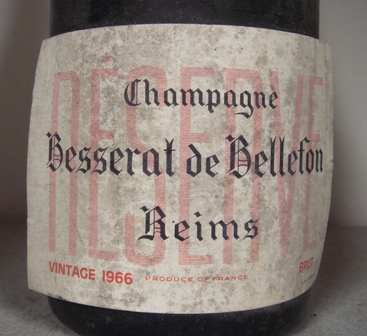
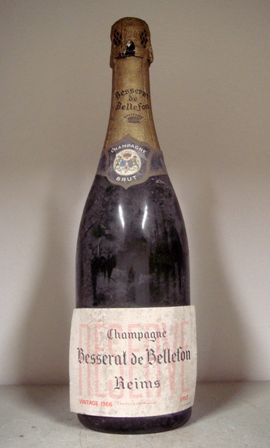
Les règles à suivre pour profiter de ce dîner sont exposées tout en trinquant sur un Champagne Besserat de Bellefon Brut 1966 qui est une magnifique introduction au monde des vins anciens. La couleur est d’un ambre cuivré. Sur la première goutte qui m’est servie, je sens une odeur de gibier qui va disparaître avec la suite de la bouteille, mais aussi grâce aux gougères qui ne sont pas destinées à créer un réel accord, mais à préparer le palais pour la suite du repas. Le nez évoque les fruits jaunes et la bouche des fruits rouges. Le champagne est d’une très belle longueur. Joe, mon ami organisateur du repas m’avait demandé d’insister sur les champagnes anciens. Celui-ci est une belle introduction.
Le menu créé par Alain Solivérès, dans sa rédaction initiale ne tenant pas compte de l’ajout de desserts est ainsi composé : Langoustine royale croustillante, marmelade d’agrumes au thé vert / Saint-Pierre clouté au basilic, saveurs anisées / Epeautre du pays de Sault en risotto aux girolles / Canard de Challans rôti aux navets / Mignon de veau de lait rôti aux morilles / Fromages de nos provinces / Fine tarte aux fraises des bois.
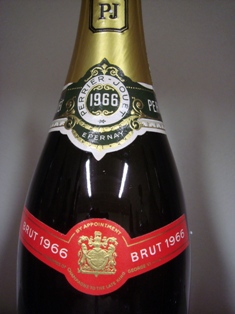
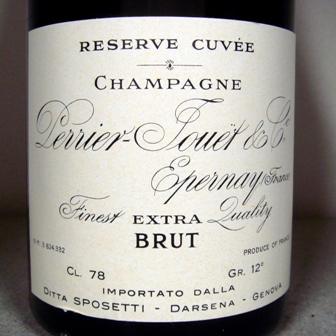
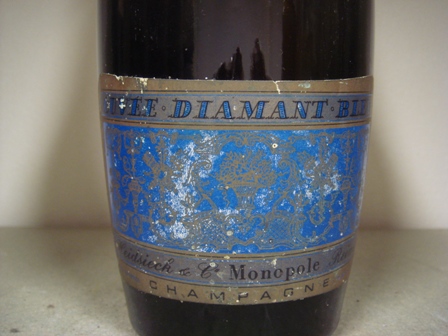
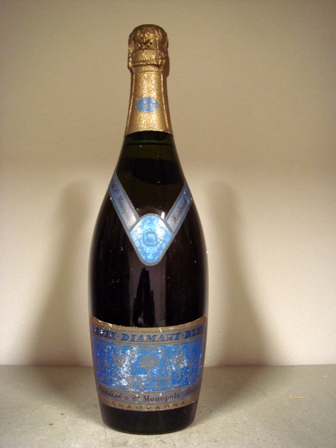
Le Champagne Perrier-Jouët réserve cuvée extra brut 1966 est d’un ambre plus doré que son compagnon de la même année. Son nez est envoûtant. Tout en lui est velours et douceur. C’est un champagne merveilleux de charme. Avec la langoustine, c’est une addition sensuelle de douceurs. La marmelade est trop forte pour ce champagne délicat. Le Champagne Cuvée Diamant Bleu Heidsieck Monopole 1964 est d’un ambre plus foncé et plus gris. Le nez est extrêmement noble et expressif. Ce qui frappe en bouche, c’est l’incroyable structure de ce vin. Il est d’une grande noblesse et d’une longueur infinie. C’est le plus racé des trois. Le saint-pierre a l’intelligence de lui laisser la vedette, car c’est un immense champagne.
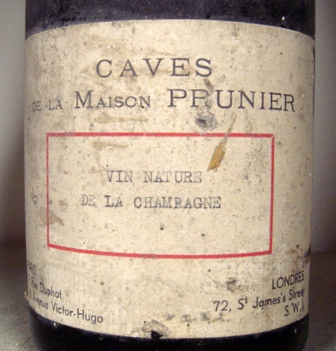
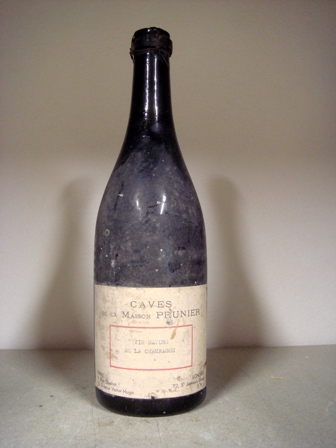
Le Vin Nature de Champagne, Caves Prunier, vers années 1920 est un vin tranquille malgré la fermeture de son bouchon d’un embryon de muselet. L’odeur d’entrailles est trop prononcée. La couleur est claire et sympathique. Un convive prévoyant et conservateur signalera un tardif retour à la vie, mais la cause est entendue : ce vin n’a pas d’intérêt, sauf celui de mettre encore plus en valeur le vin extraordinaire qui le suit.
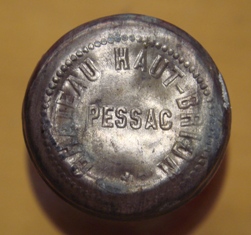
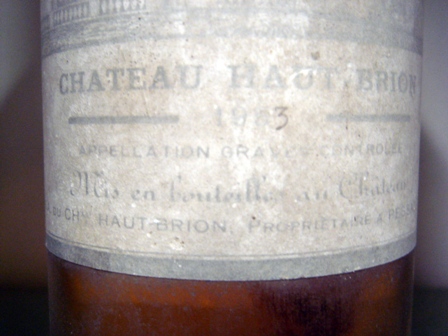
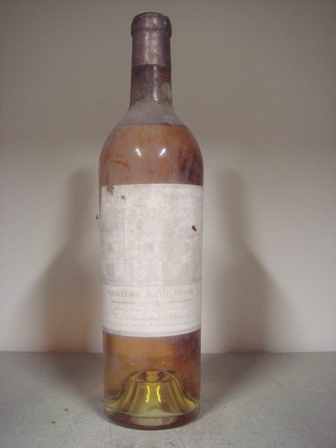
Le Château Haut-Brion blanc 1983 est d’un or prodigieux. J’ai eu une grande surprise en l’ouvrant, car si le « 3 » était lisible, le chiffre précédent ne l’était pas. Le bouchon indique de façon incontestable que c’est Château Haut-Brion blanc 1953. Une aubaine, car c’est un mythe. Le nez est racé, au charme rare. En bouche, le mot qui me vient instantanément à l’esprit est : « glorieux ». Ce vin est glorieux. On ne peut pas à cet instant imaginer qu’il existe un vin blanc plus parfait que celui-là. Il n’y a pas l’ombre d’un défaut, un total équilibre en fait un vin complet, riche, onctueux et charmeur. L’accord avec l’épeautre est une totale réussite. Nous nous amusons à constater que dès lors que l’épeautre a disparu de l’assiette, le vin baisse d’un ton, confirmant à quel point le plat a rehaussé le vin.
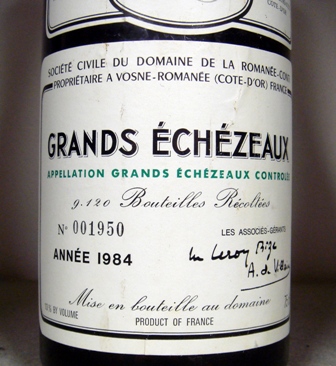
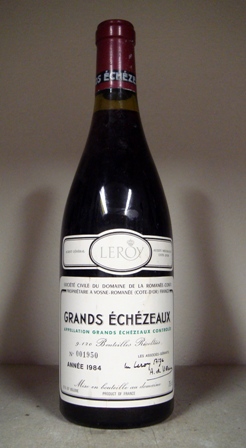
Dès que l’ami conservateur sent le Grands Echézeaux Domaine de la Romanée Conti 1984, il s’écrie : « c’est le premier miracle ». Car le parfum de ce vin est à se damner. On pourrait se contenter de le sentir, sans nécessité de le boire et ce ne sera pas le seul vin qui crée cette sensation de plénitude paralysante créée par l’odeur. On ressent un charme de folie avec ce vin. J’ai bu beaucoup de vins du Domaine de la Romanée Conti et beaucoup de plus titrés que celui-ci. Mais je ne crois pas avec été aussi physiquement touché et d’un tel enthousiasme. Le sentiment tactile de ce vin est quasi orgasmique, et je suis incapable de savoir pourquoi. Son équilibre, la salinité délicieuse, un ton cendré forcent mon entendement. Le canard a une chair ferme et juteuse qui est exactement ce qu’il faut pour prolonger l’extase.
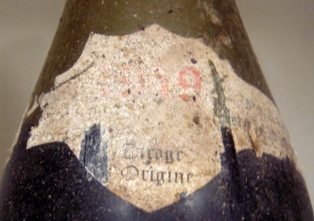
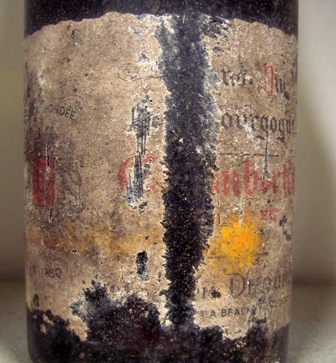
Alors, que peut faire le Chambertin Joseph Drouhin 1959 que je suppose plus vraisemblablement de 1949, car j’ai les deux années et je n’ai pu lire que le « 9 », face à un tel miracle. Et voilà que je me mets à me demander si le chambertin ne va pas voler la vedette à son jeune compagnon de région. Car le nez est incroyablement enveloppant et le charme velouté est incomparable. Mais le Grands Echézeaux l’emporte par son côté canaille, renversant de subtilités inconnues. En contravention de toutes les classifications connues, ce vin de la Romanée Conti est une des plus grandes émotions que j’aie connues.
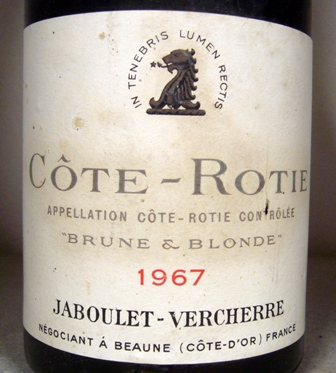
C’est difficile de se présenter après ces deux bourgognes, mais la Côte Rôtie Brune et Blonde Jaboulet Vercherre 1967 y arrive. Tout en lui est facile, de décontraction totale, avec une efficacité redoutable. C’est cela que j’aime dans les vins du Rhône quand tout paraît rond, intégré, au service d’un grand plaisir.
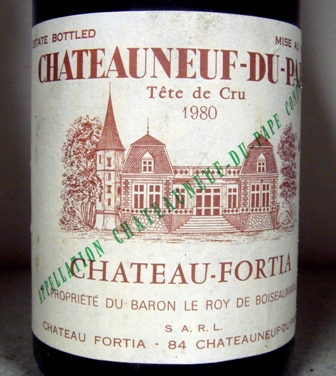
Le plus grand Fortia que j’ai bu, un 1943, m’a laissé un souvenir impérissable. J’attends donc beaucoup du Chateauneuf du Pape Château Fortia 1980. Hélas, une odeur de bouchon qui n’était pas perceptible à l’ouverture apparaît maintenant. Elle ne gêne pas le goût, d’autant que la morille arrive fort astucieusement à gommer ce défaut qui, selon mon ami conservateur, disparaîtra totalement. Mais ma tristesse est trop grande pour que je m’intéresse à ce vin, car je me sens trompé, puisqu’un tel incident ne se produit quasiment jamais lors de mes dîners.
Lorsque j’avais proposé à Joe la liste des vins de ce soir, il avait réagi en me demandant pourquoi je mettais le Bédat à ce stade du dîner. Elégant, il avait ajouté : « mais je vous fais confiance ». Or pour lui, Château Bédat, Podensac, Graves Supérieures 1959, cela signifiait rouge. Quelle ne fut pas sa surprise quand il vit apparaître un beau vin à l’or blanc. Divine surprise pour tous, et l’ami conservateur lance : « c’est le deuxième miracle », tant le parfum de ce vin est beau. Mais ce n’est pas lui. Le vin est charmant, agréable, et on ne peut pas imaginer à quel point ces vins d’appellations plus modestes sont capables de briller. Il n’a pas une énorme structure mais c’est fou ce que l’âge l’ennoblit. Sur un fromage de brebis, il brille beaucoup plus que sur un roquefort, trop marquant pour lui.
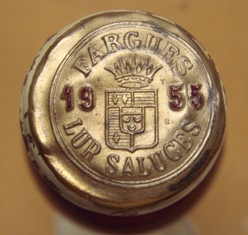
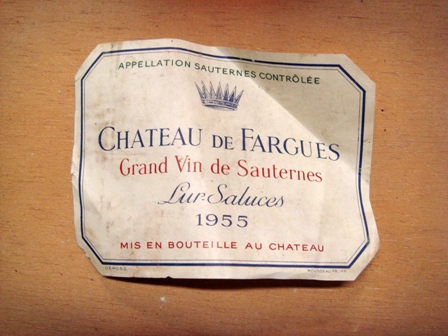
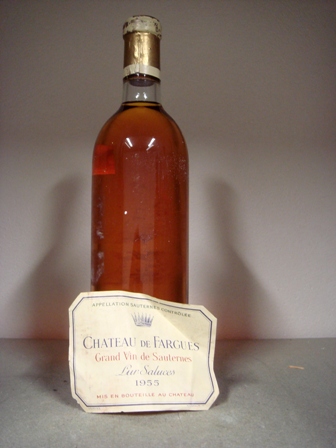
L’or du Château de Fargues Sauternes 1955 est celui d’armures royales. Jean-Claude, le maître d’hôtel de toujours, sympathique et efficace, a sans doute mal compris, car sur ce vin nous ne recevons que la tarte au fraises qui raccourcit spectaculairement le Fargues, vin absolument délicieux. Ce vin est d’une année brillante et je ne peux pas m’empêcher de penser à l’Yquem 1955. Le Fargues est moins puissant mais extrêmement fin et subtil. Equilibré et charmeur c’est un sauternes d’un aboutissement certain.
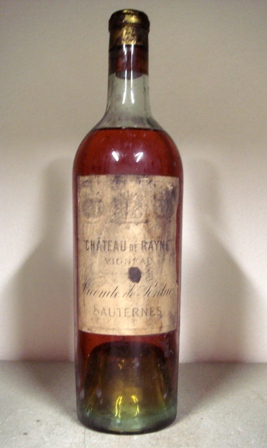
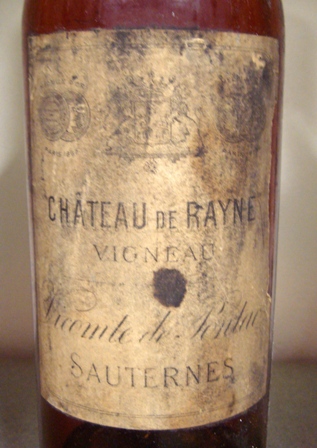
C’est seulement sur le Château Rayne-Vigneau Sauternes 1916 que le dessert aux agrumes est servi et tout le monde comprend instantanément que ce dessert est fait pour le Fargues. Le mariage est spectaculaire et ce sera le plus brillant de la soirée. Le nez du Rayne-Vigneau est le deuxième miracle. Une nouvelle fois, nous sommes paralysés par un parfum qui rend presque « inutile » (mais nous savons que non), de porter le vin à nos lèvres. L’or du brun est un peu foncé, à peine gris, évoquant un miel dense. Le parfum évoque le miel, le caramel et les fruits confits, et les petites madeleines sont de précieux auxiliaires du génie de ce vin. Il est absolument unique. J’ai bu des centaines de sauternes de plus d’un demi-siècle, mais jamais je n’ai eu cette sensation avec autant d’intensité : le goût est mentholé et en bouche l’image est verte, de feuille de menthe. La fraîcheur est incroyable. La sensation créée par ce vin est inouïe, car c’est une plongée dans un inconnu gustatif.
Il faut maintenant voter, et sur les douze vins, trois seulement n’auront pas de votes. Ma fierté est immense quand je constate que six vins sur les neuf votés ont récolté une place de premier. Il y a donc six vins qui ont pu prétendre à la victoire. Le Rayne Vigneau 1916 a récolté quatre places de premier, le Fargues 1955 en a eu deux ainsi que le Diamant bleu 1964, et trois vins ont été nommés une fois premiers : le Besserat de Bellefon 1966, le Haut-Brion blanc 1953, le Grands Echézeaux 1984.
Le vote du consensus serait : 1 - Château Rayne-Vigneau Sauternes 1916, 2 - Champagne Cuvée Diamant Bleu Heidsieck Monopole 1964, 3 - Grands Echézeaux Domaine de la Romanée Conti 1984, 4 - Château Haut-Brion blanc 1953.
J’ai le même vote dans un ordre différent et l’ami américain vivant à Paris a voté dans le même ordre que moi : 1 - Château Rayne-Vigneau Sauternes 1916, 2 - Château Haut-Brion blanc 1953, 3 - Grands Echézeaux Domaine de la Romanée Conti 1984, 4 - Champagne Cuvée Diamant Bleu Heidsieck Monopole 1964.
Certaines sensations sont inoubliables et je pense avoir été rarement aussi enthousiaste pour des vins de mes repas. Le plus bel accord est celui du dessert aux agrumes (merci Valérie Vrinat d’être venue me voir) avec le Fargues, suivi de la langoustine avec le Perrier-Jouët 1966. Le service est toujours aussi prévenant, motivé et efficace. La cuisine est d’une belle maturité. Dans une ambiance amicale et raffinée, ce fut un grand dîner, marqué pour moi par l’inoubliable saveur mentholée du Rayne-Vigneau 1916.
118ème dîner – photos des vins mercredi, 6 mai 2009
Champagne Besserat de Bellefon Brut 1966
 Champagne Perrier-Jouët réserve cuvée extra brut 1966
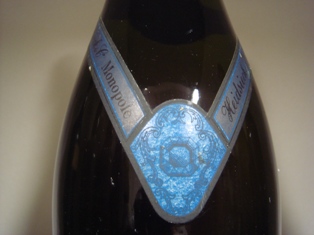
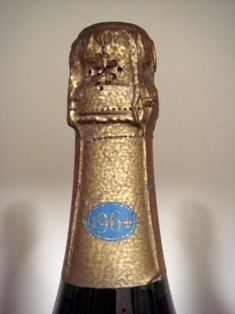
 Cuvée Diamant Bleu Heidsieck Monopole 1964
 Vin Nature de Champagne, Caves Prunier, vers années 1920
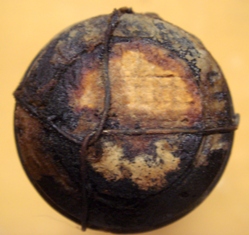 Château Haut-Brion blanc 1983
 Grands Echézeaux Domaine de la Romanée Conti 1984
 Chambertin Joseph Drouhin 1959 (ce pourrait bien être un 1949. A voir)
 Côte Rôtie Brune et Blonde Jaboulet Vercherre 1967
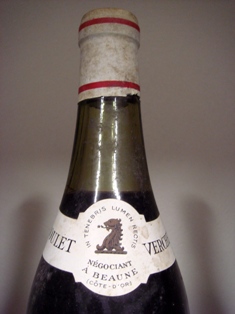
 Chateauneuf du Pape Château Fortia 1980
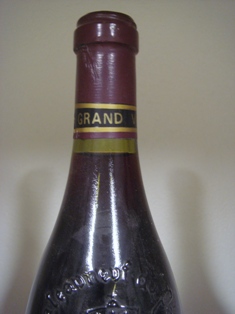
 Château Bédat, Podensac, Graves Supérieures 1959
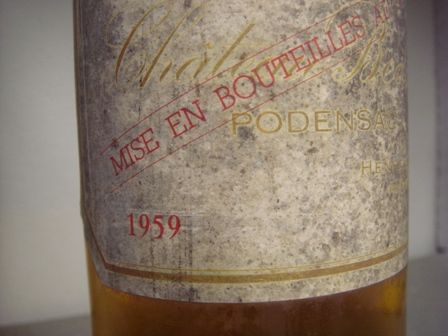
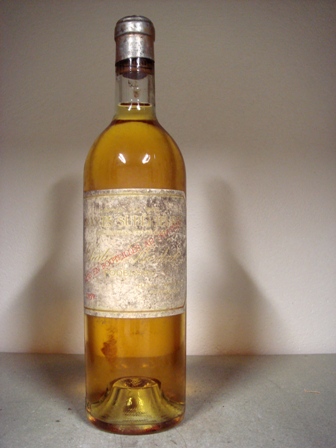 Château de Fargues Sauternes 1955
 Château Rayne-Vigneau Sauternes 1916
Champagne Perrier-Jouët réserve cuvée extra brut 1966
Cuvée Diamant Bleu Heidsieck Monopole 1964
Vin Nature de Champagne, Caves Prunier, vers années 1920
Château Haut-Brion blanc 1983
Grands Echézeaux Domaine de la Romanée Conti 1984
Chambertin Joseph Drouhin 1959 (ce pourrait bien être un 1949. A voir)
Côte Rôtie Brune et Blonde Jaboulet Vercherre 1967
Chateauneuf du Pape Château Fortia 1980
Château Bédat, Podensac, Graves Supérieures 1959
Château de Fargues Sauternes 1955
Château Rayne-Vigneau Sauternes 1916
Revue de l’Hôtel Costes mercredi, 6 mai 2009
La revue des hôtels Costes consacre une page à mes activités dans le domaine du vin.
Je ne sais pas où l'on peut se procurer cette revue, mais c'est peut-être l'occasion d'aller la lire dans les confortables fauteuils d'un de leurs établissements.
L'article a été écrit par Antoine Laurain, jeune et sympathique écrivain au style enlevé, qui a écrit récemment "Fume et Tue", et va sortir un roman tout prochainement où un vin de légende sera l'un des acteurs de l'intrigue.
117ème dîner de wine-dinners au restaurant Guy Savoy mercredi, 29 avril 2009
Après une courte pause dans les jardins du restaurant Ledoyen et une petite marche digestive, je me présente au restaurant Guy Savoy pour ouvrir les vins du 117ème dîner de wine-dinners. Sylvain qui arrange les 132 verres sur la table viendra de temps à autre vérifier les odeurs des vins que je débouche. Il avait envisagé de mettre la Côte Rôtie entre les bordeaux et les bourgognes. Le choix de l’ordre de passage viendra des odeurs mais j’ai ma petite idée. Le test olfactif confirme mon choix de mettre la Côte Rôtie à la fin des rouges. Et j’ai eu raison. Il me faut batailler avec beaucoup de bouchons qui s’émiettent. L’odeur la plus merveilleuse est celle du Pommard 1947 dont je me demande s’il ne va pas damer le pion au Cros Parantoux d’Henri Jayer, vin mythique. Un vin libère une odeur d’entrailles de gibier attaquées par des mouches combinée à une désagréable senteur de petit lait. C’est atroce. Je n’en dis pas plus, pour laisser apparaître la considérable surprise au moment opportun. Le salon où nous dînerons est de l’autre côté de la rue mais dispose d’une mini-cuisine. J’assiste à un balai incessant de jeunes commis qui apportent les ingrédients de notre dîner. Cette noria est impressionnante.
Nous sommes servis par Julien, qui a fait un travail de sommellerie remarquable, par Carole, qui présente les plats avec une féminine assurance et une dévotion pour le chef qui fait plaisir à entendre, et par Emilie au beau sourire qui nous apporte des douceurs comme s’il s’agissait d’hosties consacrées.
Dans la salle à manger privée très étroite, la forme de la table me fait un peu peur pour les conversations qui vont se répartir en trois groupes, mais si cela s’est effectivement produit, l’ambiance fut enjouée, riante, concentrée sur la recherche du plaisir. Autour de la table un ami de longue date avec collaborateurs ou clients, un couple d’amis italiens qui a eu le nez de me téléphoner le matin même pour obtenir de dernière minute de remplacer des défections du dernier instant, un couple de japonais et quelques fidèles. Sur douze personnes, deux seulement participaient à leur premier dîner.
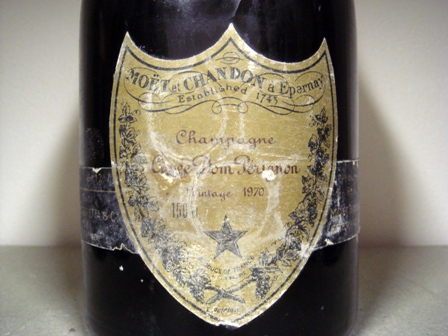
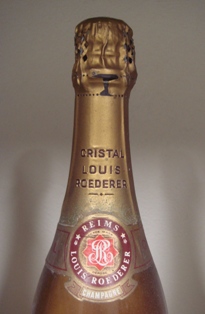
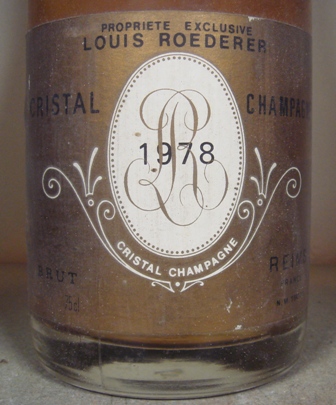
Comme nous sommes plus nombreux que d’habitude j’ai remplacé le champagne Dom Pérignon 1970 prévu en bouteille par un magnum que je venais d’acquérir. La bouteille fuyait un peu dans son emballage de livraison. Je m’en veux de ne pas avoir purement et simplement refusé cette bouteille, car dès la première gorgée, je suis furieux. La couleur est d’un brun gris, la bulle est inexistante, et le goût est fortement vicié par un contact fugace avec le métal de la capsule ou du muselet. Quand je n’aime pas, je n’aime pas et certains amis sont étonnés de me voir si virulent contre un vin somme toute buvable. Nous sommes debout, en train de goûter de délicieux toasts au foie gras et de fines tranches de parmesan de 36 mois. Il me faut agir. Je commande dans l’urgence une bouteille de Champagne Alfred Gratien Blanc de Blancs. Ce champagne à la bulle puissante crée un tel contraste qu’il me paraît impossible de le boire tant le saut « back to the future » est quasi impossible. Alors, je goûte à nouveau le Dom Pérignon qui me devient tout-à-coup agréable, comme s’il avait effacé ses malheurs. Hélas, le mal revient. Nous passons à table car je ne veux pas prolonger l’agonie et je fais servir à la fois l’Alfred Gratien mais surtout le Champagne Cristal Roederer 1978 qui est une bouffée de bonheur après ces malheurs. C’est un grand champagne d’une couleur qui commence à rosir, d’une belle bulle fine et d’une grande jeunesse malgré ses plus de trente ans. C’est un très bel exemple de Cristal Roederer, d’autant plus apprécié que le Dom Pérignon avait fait faux bond. L’amuse-bouche consiste en un flan de foie gras à la truffe noire et d’un gâteau de foie blond au naturel. L’accord du foie blond avec le Cristal Roederer, accord de complémentarité par le jeu des contrastes est confondant de bonheur.
Le menu créé par Guy Savoy : Rouget Barbet « rôti-farci » comme un gratin / Soupe d'artichaut à la truffe noire, brioche feuilletée aux champignons et truffes / Suprême de pigeon farci, piqué au radis noir, cuit à la vapeur, cuisse poêlée et betteraves, consommé et jus de pigeon / Ris de veau rissolés, « petits chaussons » de pommes de terre et truffes / Dessert d’Yquem / Fondant chocolat au pralin feuilleté et crème chicorée.
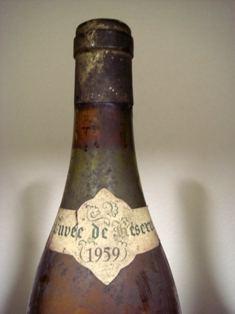
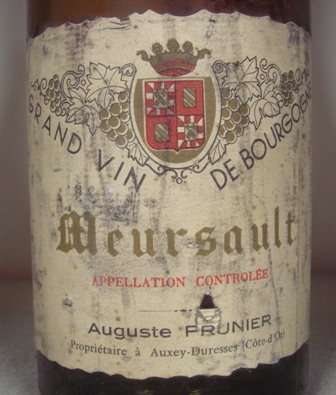
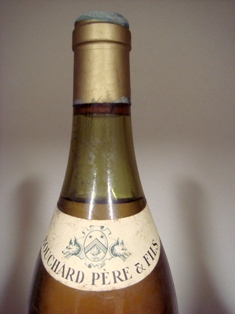
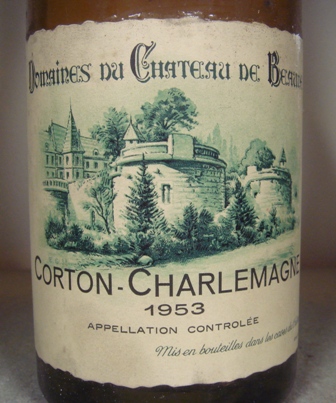
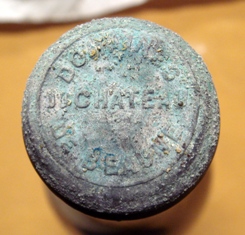
Le rouget accueille deux vins blancs. C’est un mauvais service à rendre au Meursault Auguste Prunier 1959, car ce vin s’il était bu tout seul, sur un plat, serait perçu comme un blanc absolument charmant. Son niveau dans la bouteille était exemplaire. Sa couleur est d’un or magnifique. Il est plaisant même s’il manque un peu de coffre. Mais il ne peut rien à côté du Corton Charlemagne Bouchard Père & Fils 1953. J’aurais dû utiliser les services d’un huissier pour qu’il note l’odeur du vin à l’ouverture. Plus putridement épouvantable, je ne connais pas. A fuir. Or Julien me donne à goûter maintenant un vin au parfum splendide, pur, éblouissant. En bouche ce vin est la sacralisation du Corton-Charlemagne. L’année 1953 est une année que je vénère pour ce cru et la démonstration brillante en est faite ici. Plein en bouche, joyeux, coloré d’or fin, ce vin est un pur bonheur apportant des sensations de luxure comme le faisait l’Y de ce midi. Par gentillesse, nous revenons au Meursault pour constater à quel point le sort lui est contraire, car il eût fallu qu’il fût seul pour nous donner son beau message de Meursault, d’une belle année. Il est à noter que lorsque j’ai lu l’étiquette, je m’imaginais qu’il s’agissait du Prunier de la rue Duphot, restaurateur et caviste. Mais c’est un « vrai » propriétaire à Auxey-Duresses et non un négociant que ce Prunier.
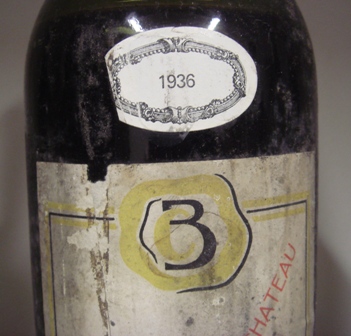
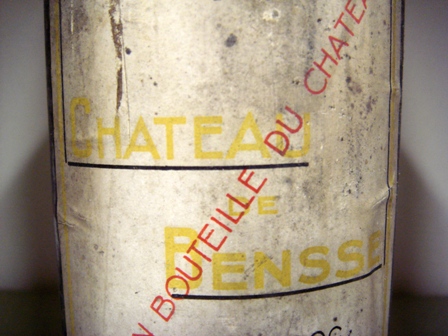
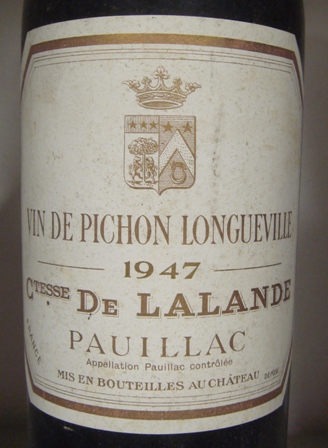
La soupe d’artichauts est une institution ‘savoyenne’. La brioche que l’on trempe généreusement se justifie pour le plat seul mais beaucoup moins lorsqu’il y a de grands vins, qui se complaisent à la chaude douceur du brouet. Le Château Bensse Médoc 1936 a une couleur d’une franche jeunesse, car le rouge est d’un beau rubis. Le vin est d’une rare subtilité et jamais l’on ne supposerait qu’un 1936 pût être aussi charmant et épanoui. Il a de la violette. Mais comme précédemment, il est associé sur le plat à l’un des plus extraordinaires Pichon que je n’aie jamais bus. Le Château Pichon Longueville Comtesse de Lalande 1947 est une merveille de raffinement. En le buvant, je suis ému, car une nouvelle fois en peu de temps, je tiens en mon verre ce qui pourrait constituer un idéal du goût du vin rouge de Bordeaux. Et je constate que ce vin, issu d’un terroir noble, est immensément aidé par une année qui s’installe maintenant sur un sommet. Je me souviens qu’il y a vingt ans, les années 1928 et 1929 représentaient mon idéal. Vingt ans plus tard, je trouve en 1947 l’idéalisation de mes souhaits gustatifs.
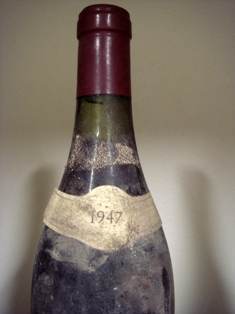
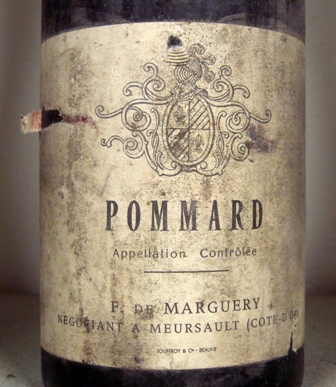
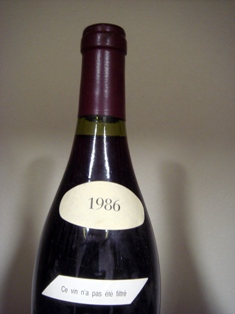
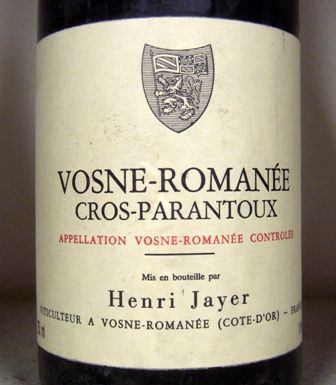
Le pigeon est une merveille et va donner lieu à une succession d’accords d’anthologie. Si les paires de vins précédents étaient boiteuses, tant l’un des vins surclassait l’autre, la paire de bourgognes rouges est un festival de perfection. Tout ce qu’on peut adorer en Bourgogne se retrouve en ces deux vins. Le Vosne-Romanée Cros Parantoux Henri Jayer 1986 a un nez de dictionnaire c’est-à-dire que si l’on doit définir le nez idéal bourguignon, on ouvre à la page de ce vin, et c’est ça. En bouche il est parfait avec la salinité affirmée et un plaisir buccal rare. Mais le Pommard F.de Marguery 1947 a beaucoup plus de charme. Le vin d’Henri Jayer est parfait, une définition vivante. Le Pommard est moins universel, mais il a un charme et un romantisme uniques. Et lui aussi me confirme que 1947 est une année miraculeuse. Car jamais on ne pourrait commettre le sacrilège de placer ce Pommard devant un vin d’Henri Jayer s’il n’y avait le choix de cette année. Le bouillon de pigeon avec le Vosne-Romanée est absolument fusionnel. Cet accord sera couronné comme le plus grand du dîner. Un détail intéressant : sur le bouchon du Pommard est écrit : Domaine Roland Thévenin.
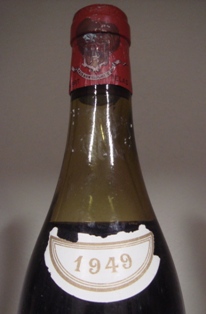
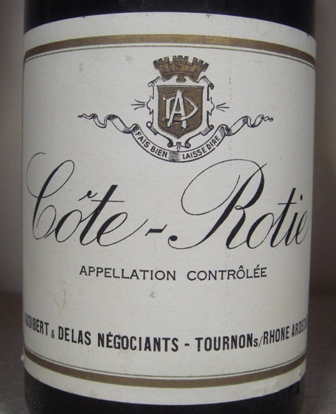
Le ris de veau est caramélisé en surface et fondant en son centre. Pour le plaisir du vin, je l’aurais préféré fondant partout. La Côte-Rôtie Audibert & Delas 1949 est elle aussi d’un rouge au beau rubis, ce qui fait que les cinq vins rouges pourtant anciens ont tous présenté des couleurs rouges éblouissantes, sans l’ombre d’une trace de tuilé. Ce qui me plait dans les vins anciens du Rhône, c’est que le message apparemment simplifié par l’âge recouvre une magique complexité. C’est d’un charme de jeune premier. Tout semble facile, mais c’est le fruit de la terre et du travail de l’homme, bonifié par un soleil complice. La chaude lourdeur de ce vin justifie sa place en fin de session des rouges.
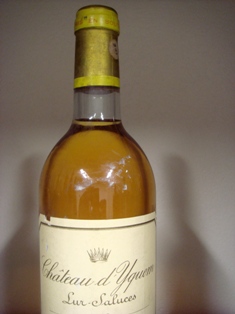
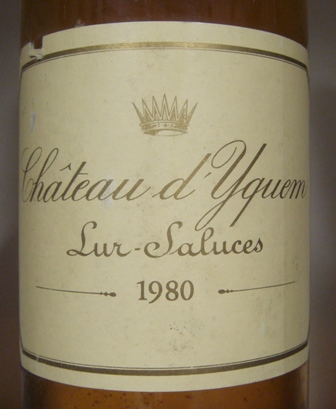
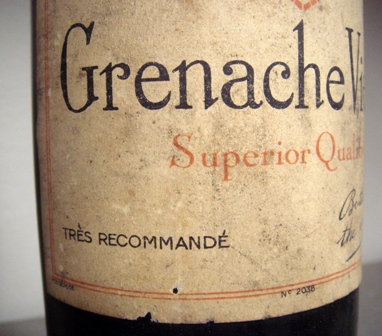
Le Château d’Yquem 1980 est indéniablement Yquem et le dessert de Guy Savoy où la mangue et l’ananas se taillent une belle place lui est favorable. Mais j’ai trouvé cet Yquem classique beaucoup plus « en dedans » par rapport à des versions précédentes de la même année. Le Grenache Vieux « Superior Quality » Années 30 sur l’étiquette duquel est inscrit « très recommandé », ce qui est d’un bon enfant charmant, est moins charmant que son intention. Car ce vin qui évoque de stricts portos est assez déstructuré, fade, inconstant. Je suis gêné par des traces de gibier qui semblent ne pas entamer le capital de sympathie que ce vin trouve auprès de mes hôtes. J’attendais l’originalité. Elle est là, car ce vin est déroutant et même plaisant, mais on est très loin du plaisir qu’il aurait pu donner.
Tout le monde connaît la chanson sur les cheveux d’Eléonore : « quand y en a plus y en a encore ! ». C’est le numéro que nous a joué l’équipe de Guy Savoy, car la sarabande des desserts qui n’en finissent pas tourne presque au théâtre de boulevard. L’image qui me vient est celle de ce prestidigitateur de cirque qui tire de sa bouche un mouchoir coloré, puis un autre qui lui est attaché et défile plus de vingt mètres de mouchoirs dont on se demande comment ils pouvaient être logés dans cette petite bouche. L’avantage de cette profusion est d’être servi par les beaux yeux d’Emilie et les sourires de Carole, mais l’impression d’être gavés tutoie la satiété.
Le vote est particulièrement difficile car il y a eu ce soir des vins éblouissants de perfection. Nous sommes onze sur douze à voter pour onze vins puisque le champagne Alfred Gratien ajouté est hors vote. Dix vins sur onze ont figuré sur les votes, ce qui est magnifique et les onze eussent figuré dans les votes si je n’avais pas fait corriger le vote d’un ami fidèle qui, troublé par mes attaques contre le Dom Pérignon abîmé, voulait lui faire justice. Cinq vins ont eu des votes de premier, ce qui est aussi très plaisant. Le Corton Charlemagne Bouchard Père & Fils 1953 a eu quatre votes de premier, le Vosne-Romanée Cros Parantoux Henri Jayer 1986 en a eu trois, le Pommard F.de Marguery 1947 en a eu deux et le Champagne Cristal Roederer 1978 ainsi que le Château Pichon Longueville Comtesse de Lalande 1947 ont reçu un vote de premier.
Le vote du consensus serait : 1 - Corton Charlemagne Bouchard Père & Fils 1953, 2 - Vosne-Romanée Cros Parantoux Henri Jayer 1986, 3 - Pommard F.de Marguery 1947, 4 - Château Pichon Longueville Comtesse de Lalande 1947.
Mon vote est : 1 - Corton Charlemagne Bouchard Père & Fils 1953, 2 - Château Pichon Longueville Comtesse de Lalande 1947, 3 - Pommard F.de Marguery 1947, 4 - Vosne-Romanée Cros Parantoux Henri Jayer 1986.
J’ai longuement hésité tant j’étais tombé sous le charme des deux bourgognes rouges, mais la performance du Pichon 1947 était tellement exceptionnelle que je lui ai donné la deuxième place. Ce qui est sympathique, c’est que le Meursault, le Bensse, la Côte Rôtie et même le Grenache ont obtenu au moins un vote dans les quatre premiers sur onze vins. La gentillesse des votants mérite d’être signalée. Savoir que le vin qui arrive premier aurait été irrémédiablement jeté par un amateur non averti du fait de son odeur immonde est une nouvelle fois une belle leçon.
Il y eut des velléités de cigare et la grande question fut de savoir si ce sont les fumants ou les non fumants qui resteraient en salle. Aussi, d’un mouvement unanime, toute notre table sortit sur le trottoir où il faisait fort bon. Les discussions se sont longuement poursuivies. Les cigares n’apparurent point, c’était un pétard mouillé. Le plaisir d’être ensemble était un feu qui ne voulait pas s’éteindre.
Le vote du consensus et mon vote couronnent quatre mêmes vins qui furent absolument immenses, nous donnant de rares émotions. Guy Savoy venu nous saluer a pu constater l’ambiance enjouée mais attentive à capter à la fois les milles finesses des vins et les innombrables subtilités d’une cuisine chaleureuse et nette. Ce fut un remarquable dîner.
117th dinner of wine-dinners – the wines mercredi, 29 avril 2009
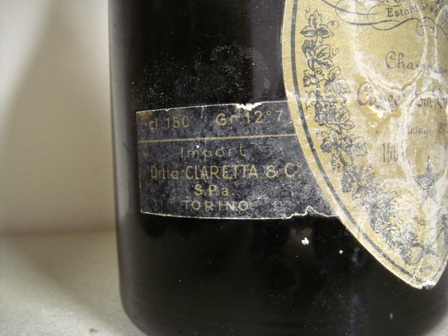
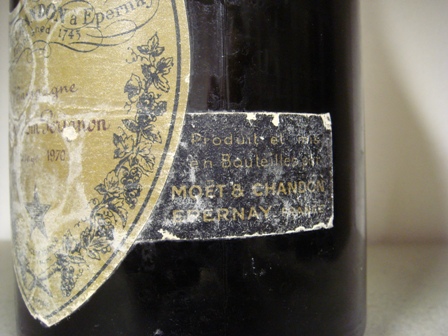
Champagne Dom Pérignon 1970 in magnum. The label of the Italian importer seems to have been put under the Dom Pérignon label.
Champagne Cristal Roederer 1978
Meursault Auguste Prunier 1959
Corton Charlemagne Bouchard Père & Fils 1953
Château Bensse Médoc 1936
Château Pichon Longueville Comtesse de Lalande 1947
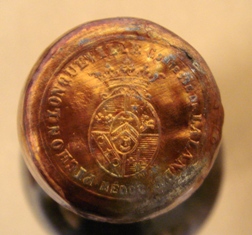
Pommard F.de Marguery 1947. When I opened the bottle I saw that on the cork was printed "domaine Roland Thévenin".
Vosne-Romanée Cros Parantoux Henri Jayer 1986
Côte-Rôtie Audibert & Delas 1949
Château d’Yquem 1980
Grenache Vieux « Superior Quality » circa 1930
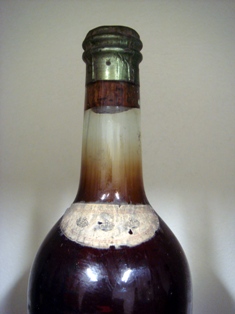
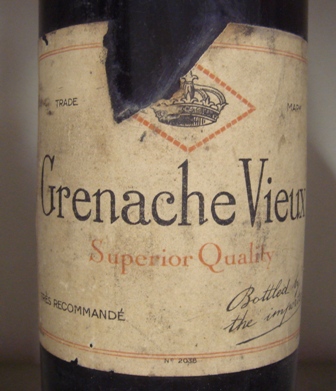
One can read on the label "Highly recommanded" ! (très recommandé)
Trente millésimes du Bon Pasteur avec Michel Rolland au Bristol mardi, 28 avril 2009
Michel Rolland, son épouse Dany, sa fille Marie et son gendre organisent une dégustation verticale du Château Le Bon Pasteur, Pomerol dont ils sont propriétaires, dans des salons de l’hôtel Bristol. Trente carafes à magnums sont alignées avec leurs cols de cygnes tournés vers le ciel. Dans une deuxième rangée à leurs côtés trente magnums du Château Le Bon Pasteur, puisque cette verticale se fait à partir de magnums. La température de service et l’épanouissement en carafes sont parfaits, ce qui valorise la dégustation. On nous demande de remonter le temps, de 1978 à 2008, ce que j’ai fait en respectant la consigne. Dans la salle il y a tous les plus grands experts du vin de toutes les revues qui comptent. Les plus jeunes prennent leurs notes directement sur leur PC. D’autres dont je suis utilisent un carnet. D’autres enfin ne prennent aucune note, repérant les millésimes essentiels. Comme je l’ai souvent fait lorsque je raconte des verticales, je vais retranscrire mes notes sans en rien changer afin de garder les impressions comme elles sont apparues au moment de la dégustation. Car les notes ne seraient pas les mêmes si les conditions de dégustation étaient différentes. Voici ce que j’ai noté.
Château Le Bon Pasteur 1978 : la robe est déjà tuilée et le nez déjà ancien. En bouche, le vin est délicieux. C’est un vin qui a de la maturité, oserais-je dire, un peu plus que son âge, surtout si l’on sait qu’il vient d’un magnum, mais il est vraiment joyeux et fruité.
Château Le Bon Pasteur 1979 : la robe est plus noire mais on trouve aussi des signes d’âge. Le nez est plus serré et fort. Il est moins expansif, plus amer, mais c’est un grand vin au beau final, même s’il manque de fruit.
Château Le Bon Pasteur 1980 : la robe est pus jeune et le nez est incroyablement puissant. Comment est-ce possible ? Son nez évoque les Riojas. Le vin est un peu fade, salin, de pruneau cuit. Il manque de final. Le contraste entre le nez et la bouche est saisissant.
Château Le Bon Pasteur 1981 : la robe est assez sombre. Le nez est très élégant. La bouche est un peu amère. Il y a un manque d’ampleur, mais je remarque la belle structure. Le final n’est pas très joyeux.
Château Le Bon Pasteur 1982 : la robe est classique, assez sombre. Le nez est très profond et très racé. Il n’y a pas en bouche l’explosion qu’on attendrait d’un 1982. Le vin est relativement discret mais on sent un potentiel qui ne demande qu’à s’exprimer. Il a encore du potentiel de vieillissement. Le final est somptueux, ce qui est la signature d’un grand vin.
Château Le Bon Pasteur 1983 : la robe est un peu plus orange. Le nez est ouvert et joyeux. En bouche, c’est assez chantant. Bien ouvert, le vin est agréable et à boire maintenant, ce qui le différencie du 1982 à l’avenir immense. La belle finale est poivrée. Le vin manque un peu d’étoffe mais donne beaucoup de plaisir.
Château Le Bon Pasteur 1984 : la couleur est légèrement orangée. Le nez est calme et serein. En bouche on remarque instantanément le manque d’ampleur ; le vin est sec. Il est assez agréable mais limité.
Château Le Bon Pasteur 1985 : sa robe est la première qui devient réellement plus rouge et moins foncée. Le vin est frais, léger, manquant de force mais jouant sur l’élégance. Son final est poivré.
Château Le Bon Pasteur 1986 : la robe est plus noire, moins rouge. Le nez est opulent. En bouche, c’est un vin qui se cherche encore, du moins à mon palais. Car tout y est mais il lui manque quelques années. Très agréable, ce vin puissant et charnu doit encore être attendu dix ans. Il sera grand.
Château Le Bon Pasteur 1987 : la couleur est assez noire et le rouge n’est pas très net. Le nez est très ouvert mais manque un peu de profondeur. La bouche est joyeuse. Le vin n’est pas hyperpuissant mais il est joyeux à boire. Il n’ira plus vraiment très loin et se boit maintenant avec plaisir, malgré un final un peu rêche.
Château Le Bon Pasteur 1988 : la robe foncée est assez belle, le nez est strict et puritain. La bouche est un peu déséquilibrée. Il est trop strict à la finale sèche. Benoît, l’œnologue du domaine confirmera au déjeuner l’impression d’imperfection que j’ai ressentie.
Château Le Bon Pasteur 1989 : la jolie robe est équilibrée. Le nez est un peu fermé mais de grande race. La bouche est ravissante. C’est janséniste, car il y a un coté gaillard qui se cache derrière une parure stricte. C’est un vin étonnant qui sera très grand avec le temps. Il faut qu’il s’encanaille. La finale est sèche mais la longueur immense.
Château Le Bon Pasteur 1990 : la robe est foncée, mais c’est le premier rouge que je vois rubis. Le nez est très fort mais paradoxalement retenu. Le vin est beaucoup plus complet que les autres. Très jeune, très élégant, il a beaucoup de charme. Il a relativement peu de fruit, il est assez strict, et son épanouissement se trouve dans son final.
Château Le Bon Pasteur 1992 : la robe est légèrement trouble. Le nez est complètement inattendu. Il est tellement généreux ! En bouche, le vin est beaucoup plus puissant que ce qu’on attendrait. Il manque un peu de trame, mais il est élégant et agréable à boire. Il laisse dans le verre un peu de dépôt.
Château Le Bon Pasteur 1993 : la robe est d’un rouge sombre. Le nez est aussi très épanoui. La bouche est assez limitée. On sent le bois, la râpe. Il est trop strict pour moi, très différent du 1992.
Château Le Bon Pasteur 1994 : la robe est noire, le nez un peu acide mais prometteur. Le vin est très confortable, très classique. Ce n’est pas un vin que j’aime, car il manque un peu trop d’imagination. Il est trop correct, au final charnu et poivré.
Château Le Bon Pasteur 1995 : la robe est sombre mais d’un beau rouge. Le nez est à la fois sobre et intense. L’attaque est belle et joyeuse. Le vin est bien ouvert et joyeux. Il est très agréable à boire car totalement équilibré. Il n’a pas une once d’amertume et de bois. Très élégant, son final est un peu moins génial, mais j’aime beaucoup ce vin.
Château Le Bon Pasteur 1996 : la robe est sombre. Le nez est très puissant et généreux. La bouche est très belle. C’est un vin de race qui envahit la bouche et s’impose. On sent que l’on franchit un seuil qualitatif. Ce très grand vin est agréable maintenant mais sera royal dans trente ans. Je suis conquis, car ce vin est à la fois très « Michel Rolland » et très prometteur.
Château Le Bon Pasteur 1997 : la robe est très belle. Le nez est étonnamment puissant, ce qui semble devenir une constante pour tous les millésimes dits faibles. Le vin est légèrement amer mais très agréable à boire. On constate l’évidence de la différence de structure et de matière avec le 1996. Il manque un peu d’étoffe mais se boit plaisamment.
Château Le Bon Pasteur 1998 : la robe est plus noire et le rouge est moins beau. Le nez est d’une élégance extrême. C’est le premier vin où apparaît la sensation de jus de mûre, ce qui est sans doute lié à l’âge. Il est très charmeur, mais je trouve qu’il perd un peu de la complexité du Château Le Bon Pasteur. Il est séducteur, riche, fort et poivré, mais il n’a pas l’élégance du 1996. Son goût est « moderne » ou peut-être tout simplement « jeune ». Je le trouve un peu râpeux et astringent.
Château Le Bon Pasteur 1999 : la robe est très noire, de couleur de mûre. Le nez est celui de fruits noirs. La bouche est claire, fluide, nettement plus intégrée que celle du 1998. Il est plaisant, facile à boire, très poivré, feuille de cassis et cassis. On perd un peu la lignée Bon Pasteur, mais c’est très agréable. Je ne parierais pas sur une grande longévité.
Château Le Bon Pasteur 2000 : le vin est très noir, d’une couleur racée. Le nez est très élégant, à la puissance contenue. Le vin est tout en rondeur, d’une puissance mesurée. Il est presque léger ce qui est étonnant. Car voir un 2000 si délicat joli et romantique, qui dirait cela parmi les détracteurs de Michel Rolland ? La continuité est évidente avec les vins de 1998 et 1999, mais ici on a l’affirmation d’un vin de style, élégant, racé et délicat. Et l’on voit que s’il y a un style Michel Rolland, alors, ce style varie ses effets selon les millésimes.
Château Le Bon Pasteur 2001 : le vin est noir avec une trace de violet. Le nez redevient puissant après la pause 2000. Le vin est plus fort, très fruit noir. Le vin est tout en affirmation, clair, net et précis. C’est un grand vin qui ne se pose aucune question. Il va se bonifier avec le temps mais se boit déjà avec un infini plaisir.
Château Le Bon Pasteur 2002 : sa couleur noire est d’un rouge assez joli. Le nez est lui aussi puissant et l’alcool s’y montre. La bouche est puissante, très boisée. C’est un vin qui n’a pas beaucoup d’imagination mais compense par sa force. Le final est fort, mais après 2000 et 2001, j’aime moins.
Château Le Bon Pasteur 2003 : la robe est celle d’un jus de mûre. C’est une belle robe profonde. Le nez est extrêmement jeune, aussi ai-je plus de mal à l’appréhender. La bouche est assez incroyable car il y a de l’élégance, de la légèreté et de la précision. Cette forme de vin est assez incroyable. Il y a beaucoup de mûre et de poivre, surtout dans le final. Le vin est plaisant. Il est assez primaire, comme la masse de muscle d’un nageur français, mais il y ajoute du charme. Même si l’on devait classer ce vin dans les vins « modernes » avec ce petit grain de péjoratif qu’on associe souvent, j’avoue que j’aime.
Château Le Bon Pasteur 2004 : la robe noire est belle. Le nez est discret mais élégant. Le vin est charmant. Il n’y a pas beaucoup de matière mais il est élégant. Le final manque quand même de quelque chose. C’est un vin à boire comme il est, à l’ombre des grands.
Château Le Bon Pasteur 2005 : la robe de noir et violet a quand même un liséré d’un rouge très beau. Le nez est très racé. La bouche est marquée par la perfection. Il est encore très simplifié, assez brutal, mais il va s’organiser, et s’assembler. La longueur est belle, mais il faudra bien dix ans, pour mon palais, avant qu’il ne s’assemble.
Château Le Bon Pasteur 2006 : sa belle robe est moins foncée. Le nez est très élégant. La bouche est agréable, très pure, poivrée mais j’ai le léger sentiment d’un petit manque. Je crois qu’il va évoluer vers beaucoup d’élégance, mais j’attendrai pour juger.
Château Le Bon Pasteur 2007 : c’est le rouge et le noir. Le nez est résolument celui d’un vin bambin. La bouche est très différente, car je suis frappé par l’élégance et la pureté absolue de ce vin. J’adore ce vin parce qu’il ne va pas trop loin. C’est le premier des Bon Pasteur dans lequel je trouve du café et de la truffe. Il ne vieillira pas aussi bien que d’autres, mais j’aime assez sa franchise.
Château Le Bon Pasteur 2008 : il est d’une belle couleur et si son nez n’est pas encore formé, il est beau. Il est très agréable et très buvable à ce stade de sa vie. Je suis assez incapable de le caractériser.
Une verticale aussi serrée, puisque toutes les années se suivent sauf 1991, est d’un intérêt très grand. Ceux qui voudraient faire croire que Michel Rolland lisse tous les millésimes sur un modèle de vin unique en seront pour leurs frais. Les millésimes se suivent et ne se ressemblent pas. L’effet millésime est considérable et il y a de belles surprises dans les années faibles, comme 1992 et 1987. Pour les grandes années, je ne vois aucune exagération que l’on pourrait imputer à un style Michel Rolland, comme je l’avais déjà remarqué pour Le Bon Pasteur lorsque j’avais visité le laboratoire de Michel Rolland et goûté les vins de son « écurie ». Mes voisins ont beaucoup aimé le 2001, en grande forme. Je l’ai aimé aussi, avec un petit coup de cœur pour 1990, 1996 et 2000. Cette dégustation d’un bon Pomerol est d’un grand intérêt.
Après une photo de groupe dans le beau jardin intérieur de l’hôtel Bristol, nous passons au restaurant pour le déjeuner. L’apéritif, un Champagne Billecart-Salmon rosé en magnum sans année est bien utile pour corriger l’astringence des trente vins que nous venons de boire. Ce champagne n’a pas une grande complexité mais il arrive à point nommé et sur de délicieux amuse-bouche, il joue bien son rôle.
Le menu préparé par Eric Fréchon est le suivant : œuf de caille au plat, lentilles du Puy en gelée de pain brûlé, écume de lard / oignon rosé de Roscoff cuit à la cabonara, royale de truffe noire et girolles / filet de bœuf et paleron bordelais, millefeuille de pommes de terre / brie fermier des Trente Arpents Baron Edmond de Rothschild / crémeux noir, sablé craquant, noisette torréfiée croustillante, glace à l’infusion de café, émulsion de caramel.
Nous commençons par un Château La Grande Clotte Bordeaux blanc 2001, qui est le seul vin blanc fait à Pomerol mais sur des vignes de Lussac Saint-Emilion. Le nez est très fort. Benoît, l’œnologue du Bon Pasteur qui est à ma table explique que les méthodes de vinifications sont bourguignonnes et que le résultat, très oxydatif, tend vers un vin de Jura. A 14°, il ne me plait pas tant que cela, car il est fort. La délicieuse gelée forme un accord remarquable avec le vin blanc.
Le Château Le Bon Pasteur 1998 est servi en double magnum et Benoît en est très fier. Je le trouve assez anguleux et manquant de complexité. On est en plein dans le vin moderne, brut de forge. Le contraste est extrême avec le Château Le Bon Pasteur 1982 servi en impériale. Ce vin est toute douceur et plein de finesse. Alors que Benoît parle de la tendance actuelle à boire les vins très jeunes, on a ici la démonstration de l’évidence de l’effet du temps sur le plaisir de boire. Le filet de bœuf est assez sec alors que le paleron est divin avec le 1982. La petite tranche de moelle qui accompagne le paleron forme un mariage succulent avec le 1998.
Le Brie est spectaculairement bon. J’ai souvent mangé ce fromage de la baronne. Jamais il n’a été aussi délicieux. Par un phénomène d’une évidence extrême, tout d’un coup, le 1998 s’arrondit dans le verre et devient civilisé comme jamais on n’aurait cru qu’il le devînt.
Michel Rolland a fait un aimable discours sur la joie qu’il a de faire le Bon Pasteur. Sa générosité fut exemplaire. S’il fallait briser la réputation de monolithisme de la « façon » du « flying winemaker », la démonstration est faite. S’il fallait nous faire mieux connaître un très bon pomerol, la démonstration est réussie. Cette verticale fut largement convaincante de l’intérêt du Château Le Bon Pasteur.
repas de famille restaurant Astrance jeudi, 23 avril 2009
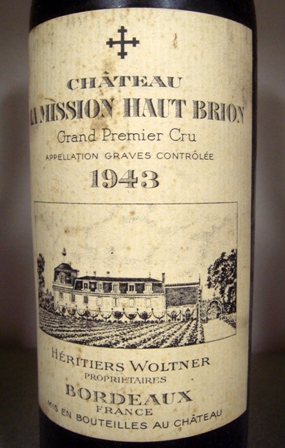
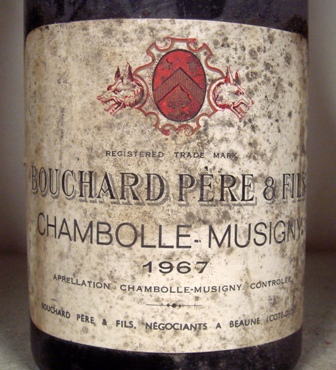
De longue date, un repas de famille est prévu au restaurant Astrance. Nous serons huit dont mes trois enfants et leurs conjoints, ma femme et moi. J’ai envie de programmer des vins des années de naissance de chacun. Mon fils est de 1969. Il y aura un Champagne Besserat de Bellefon 1969. Mon gendre est de 1970. Il y aura un Champagne Dom Pérignon 1970. Mon autre gendre est de 1966. Il y aura Château Palmer 1966. Ma fille aînée est de 1967. Il y aura un Chambolle-Musigny Bouchard Père & Fils 1967. Ma fille cadette est de 1974. Il y aura La Tâche Domaine de la Romanée Conti 1974. Mais ma fille est enceinte. Alors ce sera un magnum ! Je suis de 1943 (mille fois hélas). Il y aura un Château La Mission Haut-Brion 1943. Ma femme est de XXXX. Alors, il y aura un Clos Haut-Peyraguey qui a eu la délicatesse d’effacer son millésime.
Ma bru (quel affreux mot pour ma belle-fille) est de 1966. Ce sera Château d’Yquem 1966. Mais j’apprends que ma bru ne sera pas là. Quel dommage qu’elle ne puisse venir. Le vin ne sera pas ‘bru’.
Christophe Rohat m’a demandé de ne venir qu’à 18h30, car tout le monde prend une pause entre les deux services. A l’heure dite, j’entre par une porte dérobée du côté de la minuscule cuisine qui bourdonne pour préparer les plats du dîner. Et je suis déjà en place quand arrive Pascal Barbot toujours aussi souriant. Je profite de sa présence pour lui faire sentir les bouteilles que j’ouvre ce qui permet de composer le menu ensemble. Le Palmer 1966 a une odeur prometteuse. La Tâche 1974 combine assez bien salinité et fruits rouges. La Mission Haut-Brion 1943 a une odeur un peu fanée mais on sent que le retour en vie sera rapide et que la puissance sera au rendez-vous. En ouvrant la bouteille je découvre l’année du sauternes qui est 1959, une grande année. Deux bouteilles ne seront pas ouvertes, celle de 1967 et l’Yquem 1966. J’ai le temps de me promener dans les rues avoisinantes par un printemps ensoleillé qui fait percer les boutons des fleurs. Les cônes de fleurs blanches tachées de rouge des marronniers pointent vers le ciel, formant des chandeliers qui célébrent le sacre de cette belle saison.
Le menu composé par Pascal Barbot est le suivant : parmesan crémeux, thym / brioche tiède, beurre au romarin et citron / foie gras mariné au verjus, galette de champignons de Paris, pâte de citron confit / langoustine pochée, pâte d’algue Kombu, condiment langoustine / rouget au naturel, feuille d’arroche, pok, chaï, crème d’anchois, sardine et anchois fumé / carré de veau de lait, fondue de parmesan, tomme d’Auvergne gratinée, morilles cuisinées, jus de viande / épaule de cochon de lait, premiers petits pois au chorizo / pigeon de Sologne cuit au sautoir, condiment griottes-amandes, chou nouveau / vacherin glacé au miel-orange, crème au beurre au thé vert / mangue caramélisée, tuile aux fruits de la passion / madeleines au miel de châtaignier / capuccino amande / lait de poule au jasmin. C’est un festival de saveurs qui nous a émerveillés.
Nous commençons par le Champagne Besserat de Bellefon 1969. La couleur est délicatement ambrée, la bulle est active. Le goût de ce champagne est merveilleusement multiforme et à chaque seconde on découvre une nouvelle saveur. On ne se lasse pas de ce Fregoli. Je le trouve un peu amer sur la première gorgée mais tout le monde réfute cette impression et le parmesan remet les choses en place. Sur la brioche le champagne s’épanouit encore et le sommelier Alexandre est ébloui par sa richesse. Je ne cesse de dire à quel point les champagnes anciens sont d’une créativité gastronomique exemplaire.
Le compagnon de ma fille aînée venant pour la première fois en ce lieu, je lui vante à l’avance la mâche spectaculaire du plat phare de ce restaurant, le foie gras au champignon de Paris. Hélas, dès la première morsure dans ce beau gâteau, je constate que Pascal Barbot innove et intercale de fines tranches de pomme verte, qui enlèvent complètement la sensation « Pullman » de la mâche de ce plat délicieux. Je m’en ouvrirai à Christophe d’abord, puis en fin de repas à Pascal Barbot qui constate que cette innovation a plus de partisans que d’opposants dont je fais partie. Ce plat est bon bien sûr, mais je ne retrouve plus la jouissance de mordre avec confort dans ce délicat gâteau. Le Champagne Dom Pérignon 1970 est brillant. Son aîné d’un an que nous venons de finir faisait « vieux champagne », alors que celui-ci respire la jeunesse. Sa couleur est encore d’un jaune pâle, la bulle est incroyablement fine, et son goût est racé. C’est fou comme il est confortable. La petite crème au citron excite le champagne avec un bonheur d’esthète. Nous serions bien incapables de dire quel champagne nous préférons tant ils sont différents.
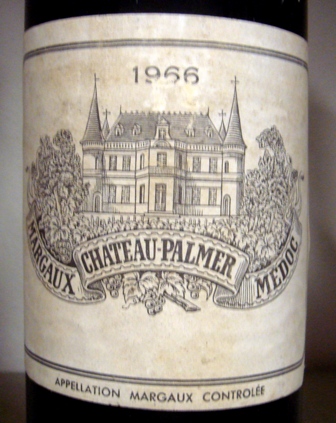
Lorsque Pascal Barbot m’avait proposé de mettre des langoustines dans le menu, alors que je n’avais prévu aucun vin blanc sec, il fallait du courage pour dire oui. J’ai répondu : « oui, mais pures ». Et le plat qui nous est servi est exactement ce que j’aime : la langoustine est pure, divinement cuite, et à côté, il y a deux petites crèmes, l’une à l’algue et l’autre au contenu broyé de la tête de langoustine. C’est mon rêve de gastronomie. Sur ce plat le Château Palmer 1966 se présente sous une étiquette blanche, comme le négatif de l’étiquette noire habituelle. C’est l’étiquette de Mähler-Besse, distributeur et actionnaire de ce château à l’époque. La robe du vin est d’un rouge rubis fou de jeunesse. Le nez est pur, dense, poivré. En bouche, le vin est spectaculaire. Mon souvenir de ce vin ne se situait pas du tout à ce niveau de perfection. Combiner langoustine et Palmer demande une acclimatation, mais j’adore. Et c’est avec la crème faite avec la tête que l’accord est absolument divin. Ce Palmer 1966 est vraiment une réussite totale.
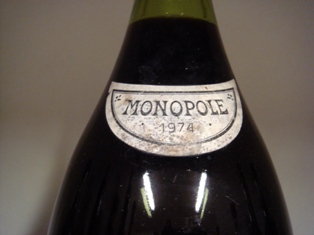
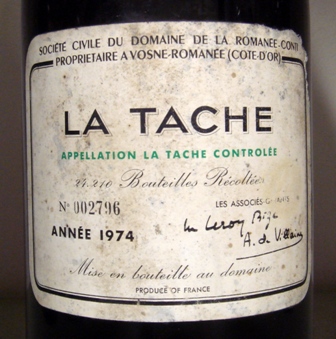
La Tâche Domaine de la Romanée Conti en magnum 1974 va accompagner trois plats de viande. Enfin, un poisson et deux viandes. Le sommelier Alexandre est né en 1974 ce qui, on le comprendra, joue dans son appréciation du vin, qu’il trouve merveilleux. Il nous fait part de sa divine surprise. Le vin est délicat, velouté, charmeur, et autour de moi, je sens qu’on apprécie. Mais je le trouve quand même un peu fatigué, comme essoufflé. Mais c’est un vin du Domaine, aussi sait-il bien se tenir. Là aussi, oser un rouget sur La Tâche, il faut le faire, et cela se justifie. L’anchois fumé étant en toute petite portion, j’ai apprécié l’accord fugace qui s’est créé sur cette bouchée hasardeuse. Il faut savoir oser. Ce plat ne réservait que de bonnes surprises pour se marier au vin bourguignon.
Sur le carré de veau de lait, on retrouve des accords gastronomiquement corrects et le vin développe son caractère velouté. L’accord ne se fait pas avec le cochon de lait, alors que c’est la viande de cochon que j’avais suggérée au moment du débouchage des vins, et c’est à cause du chorizo, trop fort pour respecter la finesse du vin de Bourgogne.
Le pigeon est d’un charme absolu. Cette cuisine en suggestion, en douceur, est celle qui a mes préférences. Et le Château La Mission Haut-Brion 1943 est d’une divine bonté. La couleur est encore très jeune, le nez est noble et la densité du vin est remarquable. Ce vin est racé, riche, avec un velouté qui ne masque pas la solide structure. Ce vin est une leçon et rejoint le peloton de tête des Bordeaux de 1943 que j’ai aimés. C’est à dessein que j’avais séparé les deux bordeaux par le bourgogne, pour que l’on n’ait point la tentation de les comparer. Mais c’est aussi parce que ce vin, le plus fort des trois rouges, serait le meilleur compagnon de la chair de pigeon. Accord sublime, vin resplendissant, tout nous était bonheur.
Le Clos Haut-Peyraguey Sauternes 1959, dont l’année a été révélée à l’ouverture, est d’un or légèrement rose, qui se rapproche comme par mimétisme du vieux rose de la jolie capsule. Le nez est délicieux, de mangue, de poivre et de pomelos. En bouche, c’est un sauternes charmeur, séduisant et subtil. Il n’a pas la puissance des plus grands des sauternes mais il est particulièrement plaisant. Dans un petit panier d’œufs en papier mâché, les œufs de poule sont arrivés avec l’un d’entre eux ayant une bougie à la place du lait. Il me fallut la souffler puisque c’était mon anniversaire. Nous avons discuté fort tard, dans une ambiance familiale joyeuse et heureuse.
Nous n’avons pas classé les vins et ce serait bien difficile. Trois vins me semblent ressortir du lot, la Mission Haut-Brion 1943, le Palmer 1966 et le Dom Pérignon 1970. Mais c’est bien injuste car le Besserat de Bellefon 1969 et La Tâche 1974, deux vins qui ont impressionné Alexandre, étaient aussi brillants. Alors, ne classons rien et applaudissons une cuisine légère et sensible qui correspond à mes désirs et mes attentes, pour des combinaisons attendues ou osées, mais desquelles on apprend chaque fois quelque chose. Ce fut un beau repas familial.
dîner d’anniversaire au restaurant Astrance jeudi, 23 avril 2009
Le 23 avril, c’est mon anniversaire. J’ai retenu de longue date une table à l’Astrance, mon restaurant chouchou. Nous serons huit dont ma femme, mes trois enfants et leurs conjoints.
L’idée est intéressante de mettre un vin de l’année de chacun. Il est des occasions où je ne le fais pas. Pourquoi pas cette fois-ci ?
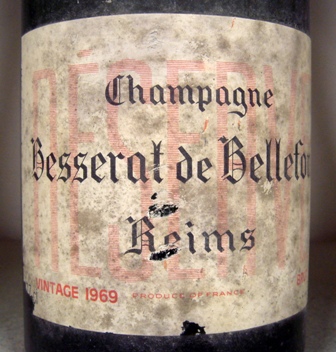
Mon fils est de 1969. Ce sera un Champagne Besserat de Bellefon 1969
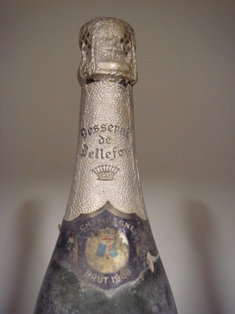
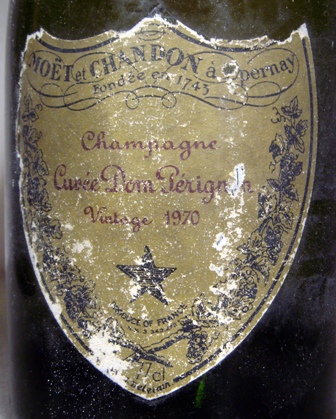
Mon gendre est de 1970. Ce sera un Champagne Dom Pérignon 1970
Je suis de 1943 (mille fois hélas). Ce sera un Château La Mission Haut-Brion 1943
Mon autre gendre est de 1966. ce sera Château Palmer 1966
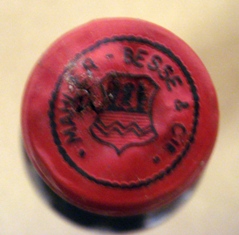
Ma fille aînée est de 1967. Ce sera un Chambolle-Musigny Bouchard Père & Fils 1967 (du faite de l'abondance, je ne l'ai pas ouvert)
Ma fille cadette est de 1974. Ce sera La Tâche Domaine de la Romanée Conti 1974. Mais ma fille est enceinte. Alors ce sera un magnum !
Ma femme est de XXXX. Alors, ce sera un Clos Haut-Peyraguey qui a eu la délicatesse d’effacer son millésime.
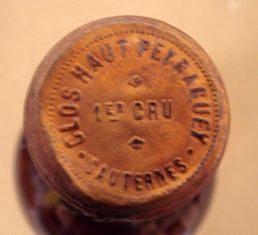
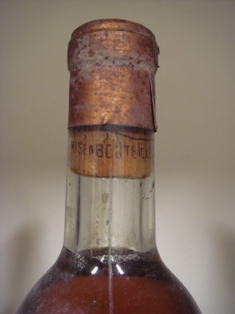
Quel tact que de s'effacer !
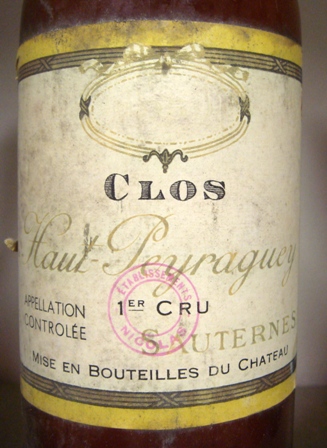
Ma bru (quel mot laid pour dire belle-fille) est de 1966. Ce sera Château d’Yquem 1966. hélas elle ne pouvait pas venir. Le vin ne fut pas 'bru'.
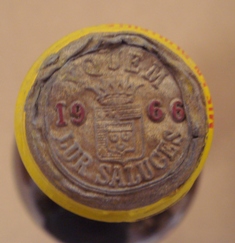
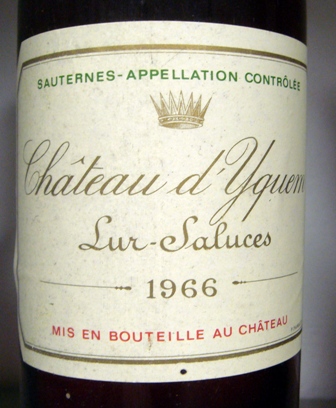
Mais j’apprends que ma bru ne sera pas là. Le vin ne sera pas bu. Quel dommage qu’elle ne soit pas là !
L’incroyable cave de Michel Chasseuil vendredi, 17 avril 2009
Michel Chasseuil est un collectionneur qui a eu les honneurs de la presse, car il a une collection de vins rares impressionnante et il espère lever des fonds pour créer un musée. Il voudrait figer sa cave pour en faire un patrimoine de l’humanité et le fait que ses vins soient destinés à ne pas être bus m’effraie. J’ai donc entretenu le contact que j’avais avec lui pour essayer de le persuader de l’impérieuse nécessité que l’on boive ses trésors. Au seuil de sa porte, il m’accueille en pantoufles charentaises. Dans sa maison, les articles, livres et photos abondent. Comme il est bavard, il y a toujours une anecdote qui le conduit à aller chercher un document qu’il brûle de me faire lire. Nous prenons un déjeuner frugal dans sa cuisine, de radis et pâté maison et quelques fromages de sa région sur son vin, Château Feytit Clinet 2001 que je trouve très agréable.
Nous descendons ensuite dans son sanctuaire et je pourrais y passer des jours et des nuits, tant chaque recoin regorge de trésors invraisemblables. Ayant consacré un temps considérable à sa collection, il a su dénicher des bouteilles inaccessibles voire uniques. Mes yeux brillent devant ce qui constitue un rêve probablement irréalisable aujourd’hui du fait de l’explosion des prix, même tempérée par la crise. Je ne peux qu’être impressionné par cette caverne d’Ali Baba tant les crus et les années prestigieuses résonnent à mes oreilles. Je dis oreilles car les yeux sont moins gâtés. A l’exception d’une impressionnante vitrine aux souvenirs historiques uniques, l’essentiel des vins est dans des caisses de bois verni dont le nom est soit celui de la caisse du domaine, soit écrit de la main de Michel Chasseuil. Il aime à dire que sa cave est le fruit de transactions heureuses de vins qu’il avait achetés il y a trente ans pour une poignée de cerises. Il se présente comme vivant de sa maigre retraite et me dit : « vous qui êtes riche », ce qui me semble aimablement romancé, car quelqu’un qui s’est acheté une impériale et six magnums de Latour 2005, une caisse de six du champagne le plus cher de l’histoire, la cuvée d’Ambonnay de Krug, qui achète chaque année des magnums de Le Pin et des cuvées Cathelin de Chave, autant de vins que je trouve hors de ma portée, pourra difficilement me faire croire au « pov’ paysan » de l’imagerie d’Epinal. Ce que je sais en revanche, c’est qu’il est malin comme un singe, car nous avons fait un peu de troc entre certaines de nos bouteilles, et il n’est pas tombé de la dernière pluie.
Sa cave est réellement unique, car elle est le fruit d’une passion de posséder tout ce qu’il y a de plus rare dans l’histoire du vin. Cette passion est sincère. Mais c’est une cave figée, rangée avec un soin d’apothicaire. Il le dit lui-même : « cette cave, c’est le Louvre du vin ».
J’ai un immense respect pour cette œuvre unique, mais j’aimerais arriver à le persuader de « démomifier » sa cave, afin que les mythes absolus qui la fondent se traduisent en une mémoire du goût plutôt qu’en un ossuaire.
Ma cave est plus importante en nombre mais nettement moins importante en vins de légende. Ai-je le regret de ne pas avoir suivi sa démarche ? Non, pour deux raisons. La première est que je n’aurais jamais pu consacrer autant de temps à pister une bouteille unique avec un réseau d’informateurs. La seconde est que ma cave vit, dans son joyeux capharnaüm, et correspond à ma personnalité.
Ce qui me permet en toute décontraction d’être admiratif de ce que la passion de cet homme a pu construire. C’est beau, c’est spectaculaire. Michel, très professeur Nimbus qui cache sa malignité sous son humilité est un homme passionnant. Il faudrait que sa cave vive. Demain, à quelques amis, dont Steve, nous allons mettre en pratique ce beau précepte en partageant des vins canoniques. C’est la folie dont j’aimerais que Michel Chasseuil soit aussi touché. En tout cas, bravo pour cette œuvre unique.