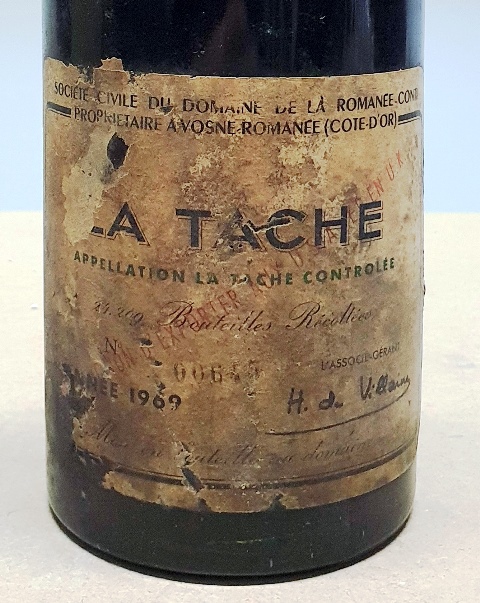
Les couleurs de La Tâche 1969 à gauche et 1970 à droite


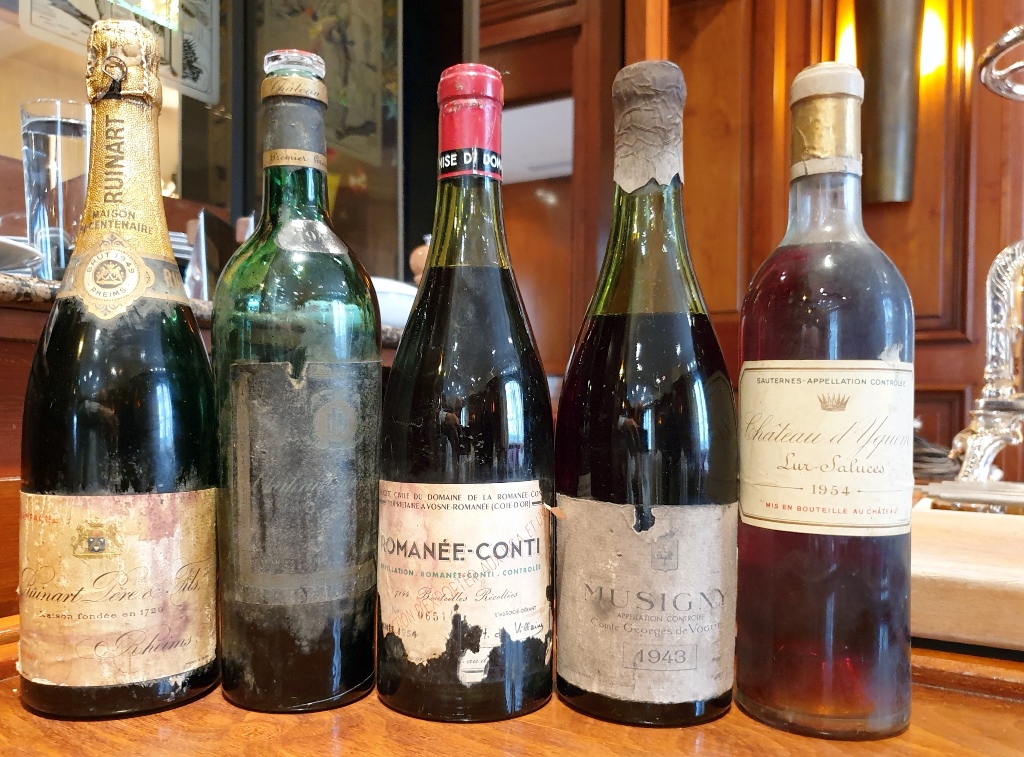
My friend Tomo and I are getting offers from the same wine supplier. He sends an offer for a Romanée-Conti 1937. Alone, I would not buy it, but if we are two, it seems possible to me. Tomo agrees to share it because we are used to buying together. The supplier proposes to join us for drinking. It is agreed that everyone brings an extra bottle and the friend supplier pulls the first on the trigger by offering a rare bottle of Champagne Billecart-Salmon 1949. I propose to bring Yquem 1937, the year of the Romanée Conti and as Tomo hesitates to his contribution, I propose that he brings Yquem 1937 since he has it and I will bring a Corton-Charlemagne JF Coche-Dury 2003. We agree and Tomo launches: 'I will bring no doubt a surprise'. This is the door open to unreason because obviously we will all have a surprise.
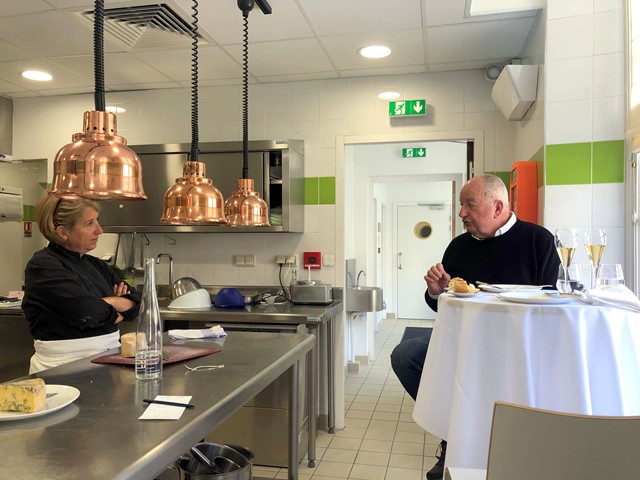
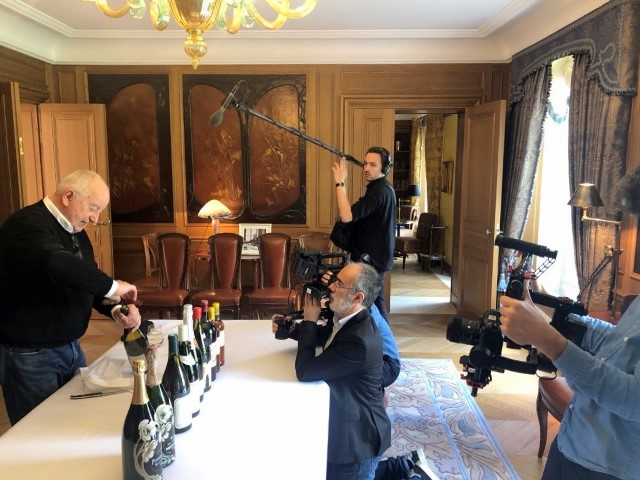
I propose to do dinner at the Taillevent restaurant. At the date, at the same time as Tomo, I arrive at 17 hours to open the bottles and I have the chance to meet on my arrival the chef David Bizet with whom I will build the menu. We understand each other very easily.
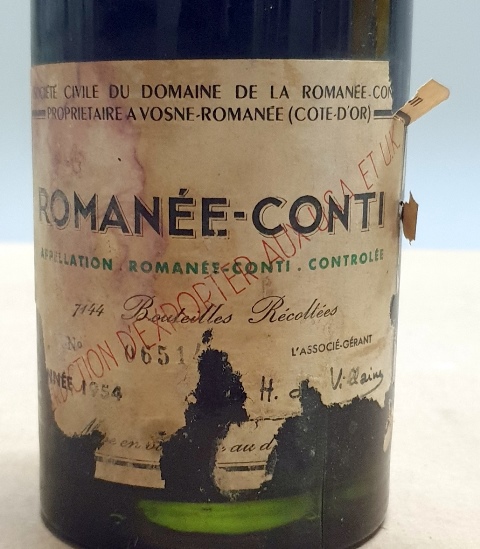
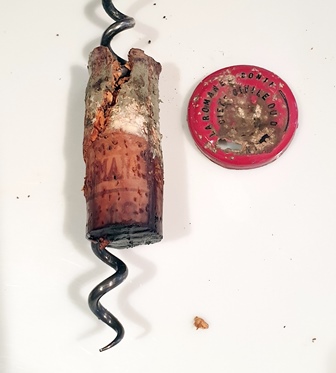
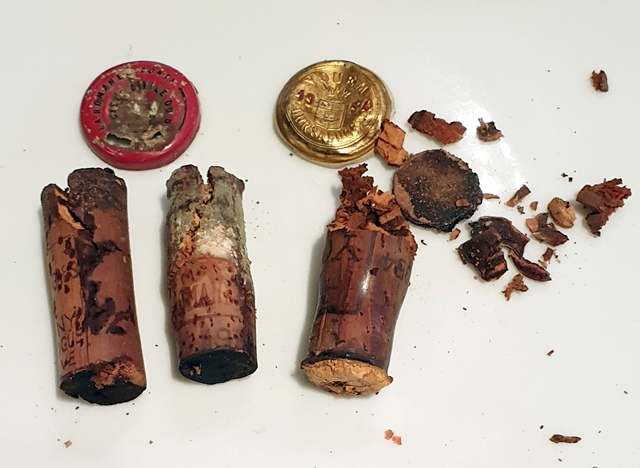
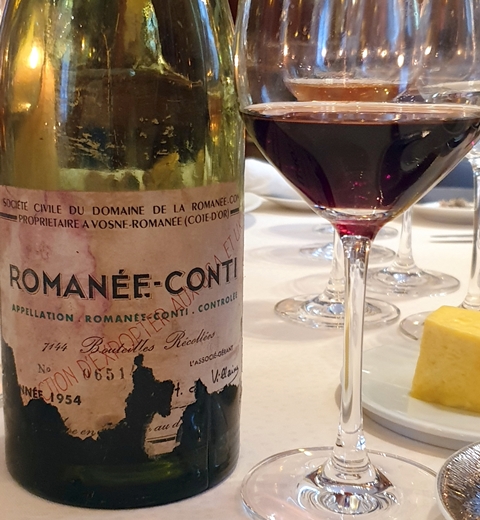
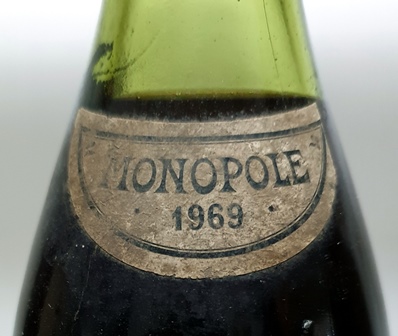
The nose of the Corton-Charlemagne does not have the power of the olfactory bombs of the wines of Coche-Dury but it has an extreme elegance. It promises to be great. The bottle of Romanée Conti is absolutely illegible. How did our friend supplier find the name and year? Tomo gives me clues. There is the little crescent label that says it's a monopoly. One can read in very small letters the word "French", which can only correspond to Richebourg, but it is not monopoly or to Romanée Conti. The year is found thanks to a 7. There is no Romanée Conti 1947, the choice is between 1937, 1927 or 1917. Everything indicates that 1937 is the most realistic, especially as we guess the top of number 3.
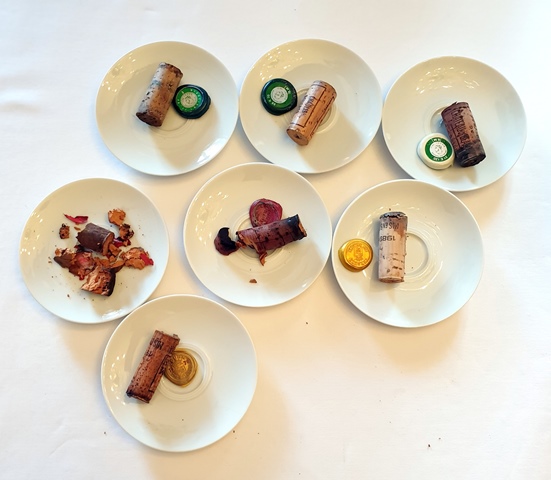
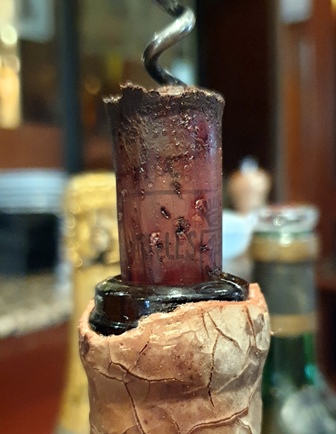
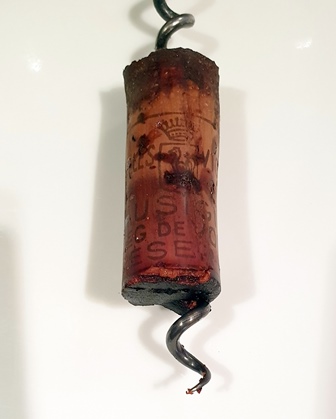
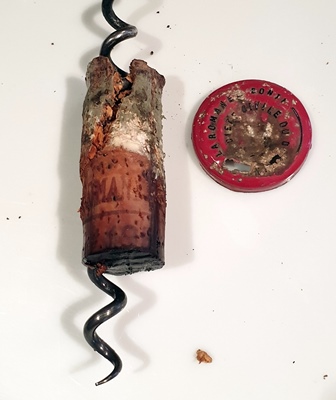
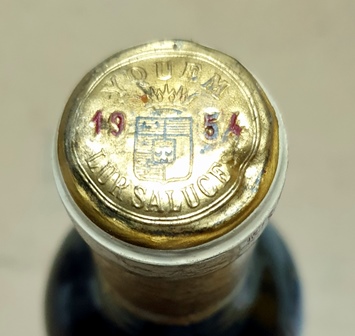
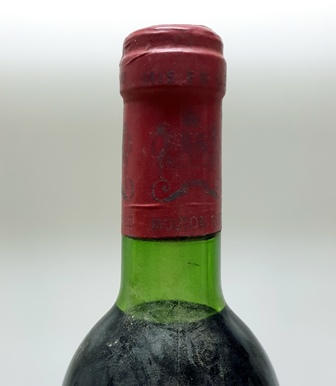
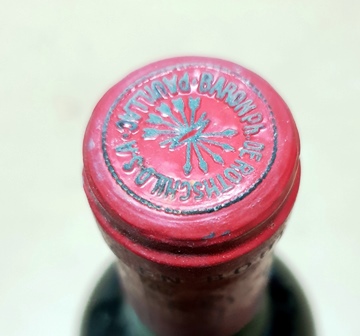
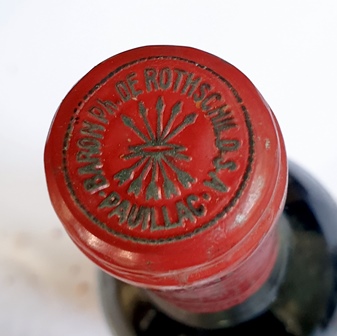
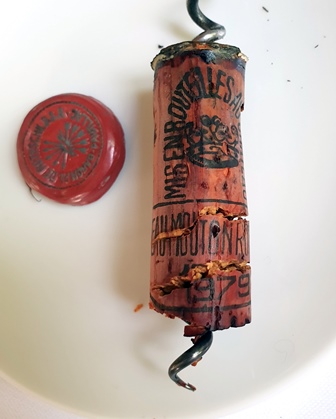
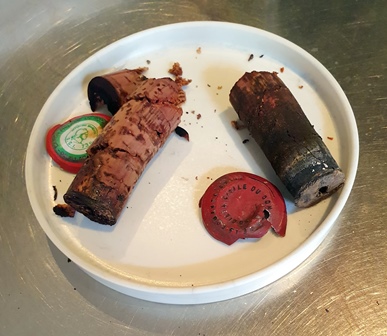
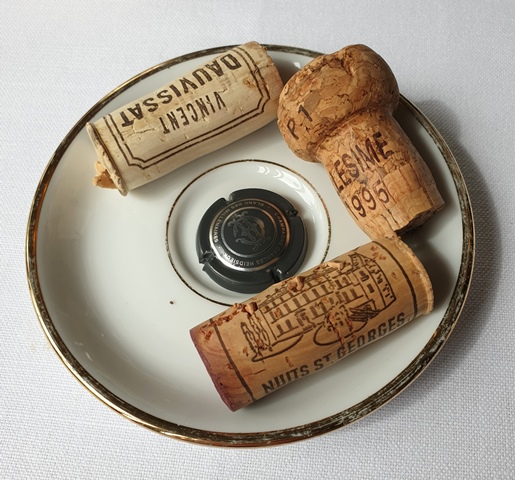
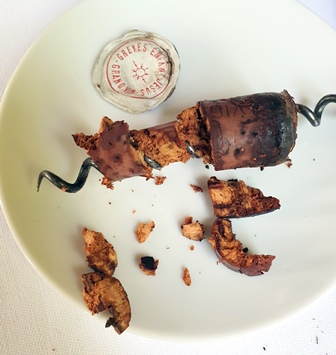
The wax is completely removed on the top of the neck so that the cap is bare at the top of the neck. It comes in a thousand pieces because it sticks so much to the glass wall that it is necessary to tear small pieces that the tirebouchon cannot lift. Pieces fall into the wine and I have to catch most of it. The smell of wine is very compatible with that of a Romanée Conti but I am embarrassed by the fact that it is roasted. The wine has most likely been hit hot in a cellar. For wines as prestigious as this one, it's a pity because the sensible roasting will deprive us perhaps of the emotion of this masterpiece.
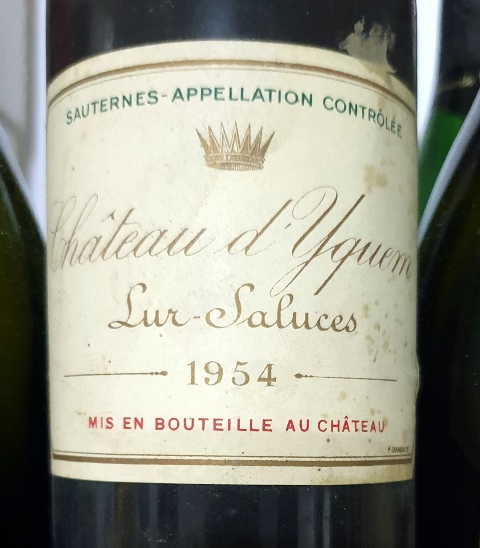
As if destiny wanted to make us a snub, the fragrance of Chambolle-Musigny Amoureuses Faiveley Negociant 1929, the surprise of Tomo, is to die for. For me, it is the absolute perfection of the perfume of a Burgundy wine and it is the perfection also of a perfume of 1929. Then this wine could make shade to the star of this dinner. We will see. The fragrances offered by Château d'Yquem 1937 are divine. This wine is a count, what do I say it is a prince, what do I say it is an emperor! Its amber color is of a divine beauty. The 'surprise' wines of our friend and mine will not be open for now.
The opening operation being finished around 18 hours we have Tomo and I chatting while waiting for our friend.
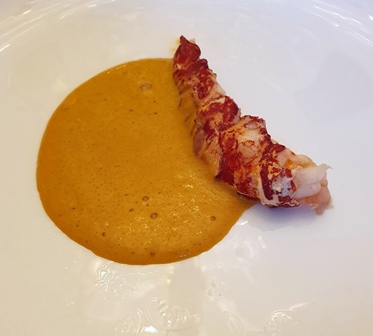
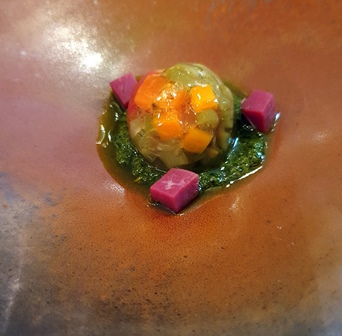
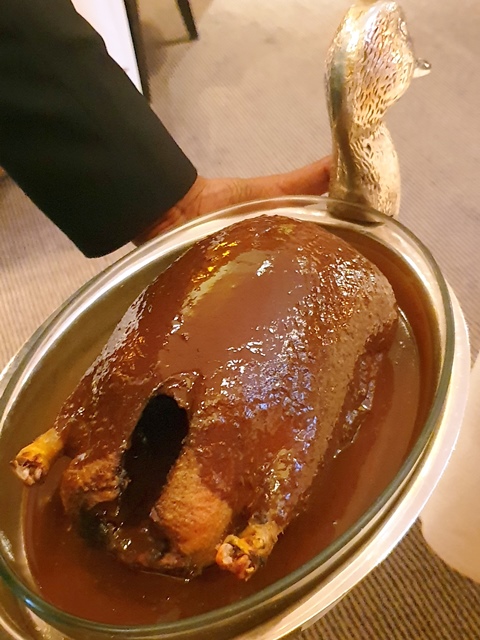
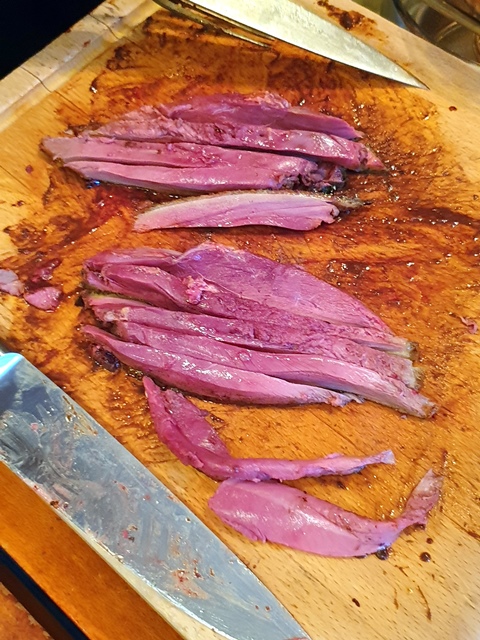
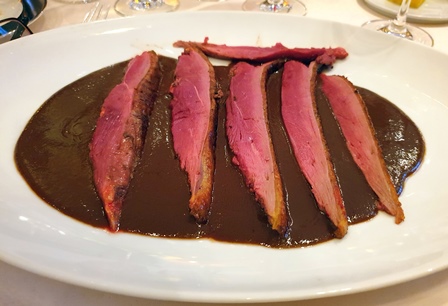
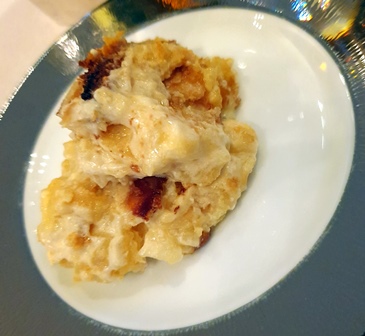
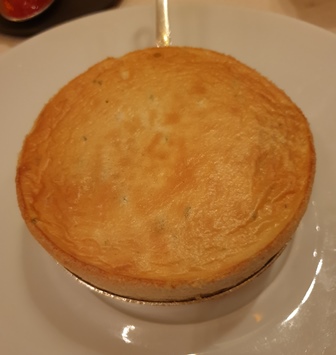
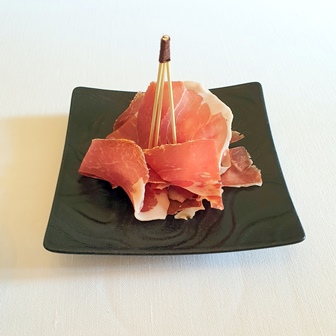
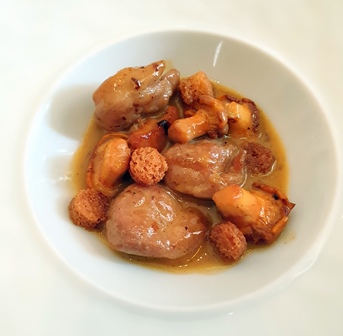
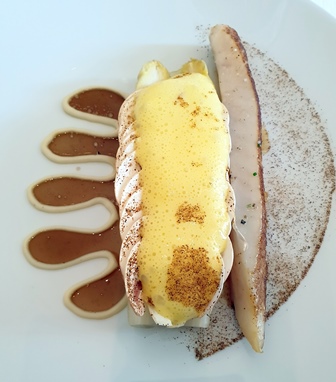
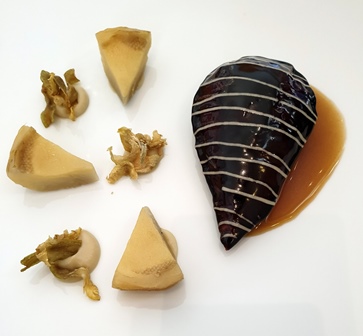
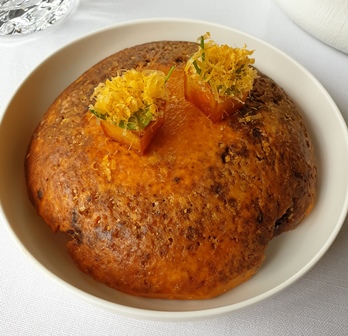
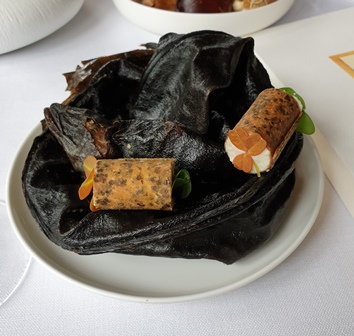
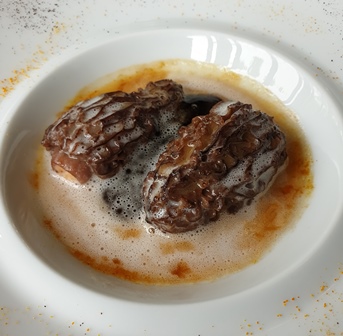
The menu designed with chef David Bizet is: glazed veal sweetbreads, steamed morels with champagne / lobster in navarin, return of kitchen garden with pimpernel / pigeon with roasted blood with wild garlic, truffled black olive confit fillet of mature beef, morels with appetites, soufflé apples / cheese / mango pavlova with raw cream / salted butter financiers.
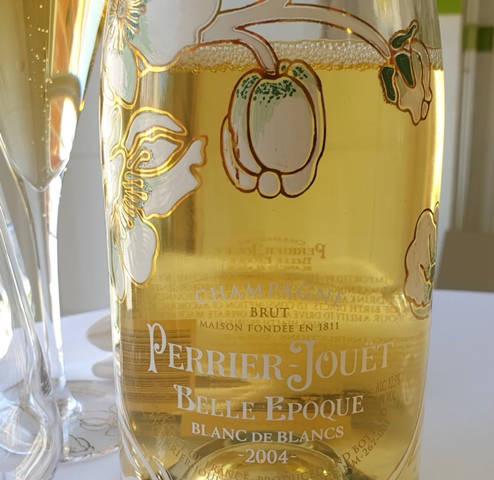
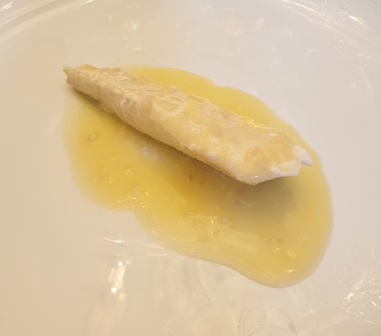
Half an hour before our friend arrives, I open his champagne. What a nice surprise to hear the sound of gas escaping. Pschitt is significant and very important for a champagne of this age. At the time of service we note that the Champagne Billecart-Salmon Brut 1949 has the color of a young champagne. The bubble is rare and small but the sparkling is tasty. Champagne does not have a great tension but it is of a rare balance. It takes us to countries where we have no landmark. What is striking is ease, balance and charm. It's a very big champagne. I had asked that the sweetbread be calm and light. What is served to us is a beautiful dish as a dish, but too strong for the subtle champagne.
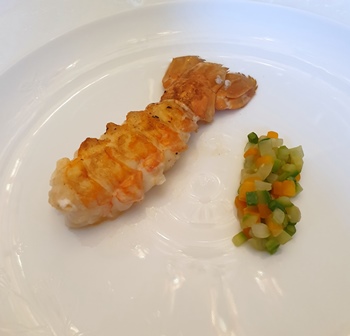
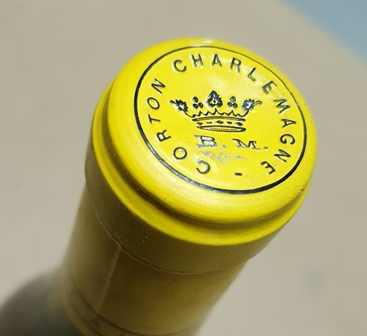
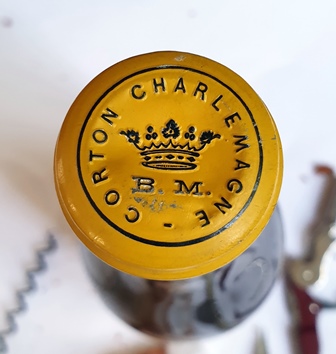
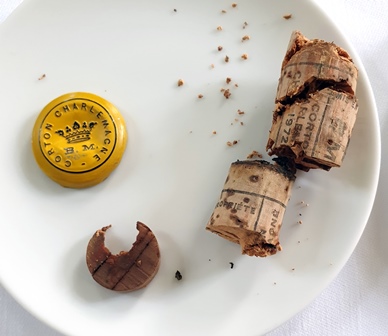
The Corton-Charlemagne J.F. Coche-Dury 2003 does not have the usual power of the Corton-Charlemagne of this famous house. It is of a rare complexity and amazes me by its subtle evocations. We thought we were meeting an athlete and we are facing a young poet. What a charm, what infinite complexities! I think I have never drunk a Corton-Charlemagne Coche-Dury so exceptional. All the subtlety registers are surpassed. The deal with lobster is ideal but we should have done without vegetables that bring consistency to the dish but add nothing to wine.
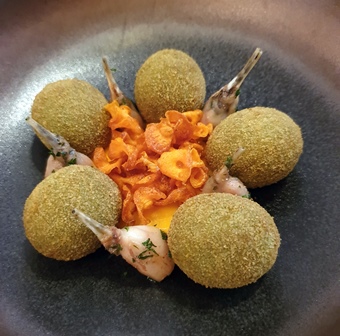
For the two dishes of meat, pigeon and beef, we will drink together the two red wines. Before the dish of pigeon is served, the Chambolle-Musigny Amoureuses Faiveley Negociant 1929 with the ideal perfume is dashing. We immediately feel that it is a Premier Cru and that it does not have the stature of a Grand Cru, despite the fact that it is very exciting to drink, juicy and bloody. Beside him, the Romanée Conti Domain of the Romanée Conti 1937 still has a roasted nose and its heavy and powerful mouth makes this side appear a little burnt which does not prevent to be pleasant, because, one feels it well, the wine is big.
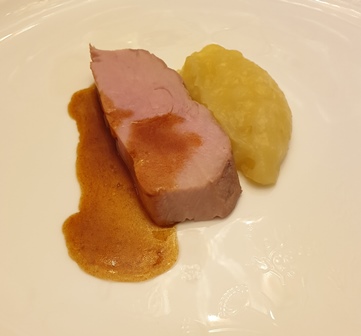
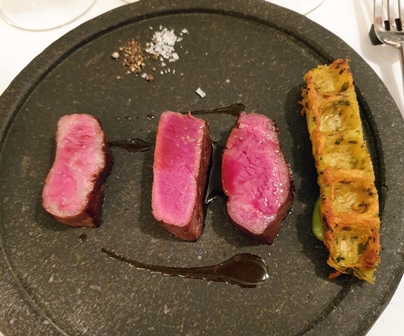
We are served the pigeon. What happiness that none of us is dogmatic! Because there is a small miracle. The magnificent flesh of the pigeon and especially its sauce completely erase the roasted appearance and we discover a true Romanée Conti, vibrant. I even find the salt so beautiful that was hiding until then. We have the demonstration that the wines need to rub to a suitable dish to shine. And we are happy because our fears no longer exist. Although the mature meat is excellent, it is especially the supreme of the pigeon that gives the Romanée Conti its true grandeur. The 1929 is very small next to the 1937 whereas before the dishes it was much more pleasant and distinguished, as it must be a great wine of 1929.
We wanted so much to share a great Romanée Conti that we take full advantage of this rare moment. But there is a sign that does not deceive. Usually one finds in the dregs a supplement of soul because it concentrates all the personality of the wine. But I found the dregs of Romanée Conti less frisky than the wine itself. It is enough, however, that we have had a beautiful moment of grace to make us happy.
What was left of Corton-Charlemagne was very suitable for mature meat and also for excellent cheeses, in my case, a saint-nectaire.
It is now the arrival of the Château d'Yquem 1937. Like the Corton Charlemagne this wine is not thundering, which develops even more its elegance. It's a huge Yquem, probably the best of the seven Yquem 1937s I've drunk. What a great wine of infinite magic, without too much botrytis and good acidity. Wines like this give the image of perfection.
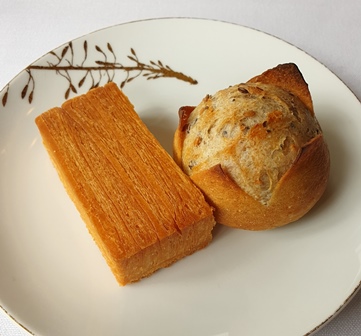
Enter the surprise of our friend, a Champagne Pommery rosé 1934. Its color is very beautiful and very young, the bubble is weak but the sparkling is there. What fascinates me is that it is possible to switch from Yquem to champagne rosé and vice versa without the slightest problem, as if they were playmates. I had asked financiers pastries for this rosé. They are probably the best financiers I have ever tasted. The mango dessert is only for the Yquem and sweet pavlova is not necessarily its best friend. The Yquem well supports the financiers planned for the champagne.
Now comes my surprise that will be one for me too. I had bought Marc de rosé bottles from Ott 1929 and found this marc of immense interest. During a second order of this marc, I received bottles with pink liquid and at the same time two bottles with liquid so clear that I imagined that it was water. When I opened the bottle before the meal, the water hypothesis no longer existed. It was the surprise of my surprise! This Ott Marc Blanc 1929 has no charm at all. It looks more like a slightly bitter grappa. He is very manly compared to his pink cousin. We do not insist.
We are three to vote for our five favorite wines on six wines, the alcohol not being in competition. For Tomo, his winner is the Billecart Salmon and for the friend and me it is the Corton-Charlemagne who is our number one. I almost got scraped when I ranked Pommery rosé before Billecart Salmon but I was very impressed by the Pommery's ability to coexist with the Yquem.
The consensus ranking would be: 1 - Corton-Charlemagne JF Coche-Dury 2003, 2 - Champagne Billecart-Salmon Brut 1949, 3 - Château d'Yquem 1937, 4 - Romanée Conti Domaine Romanée Conti 1937, 5 - Chambolle-Musigny Les Amoureuses Faiveley Negociant 1929.
My classification is: 1 - Corton-Charlemagne J.F. Coche-Dury 2003, 2 - Château d'Yquem 1937, 3 - Romanée Conti Domaine of Romanée Conti 1937, 4 - Champagne Pommery rosé 1934, 5 - Champagne Billecart-Salmon Brut 1949.
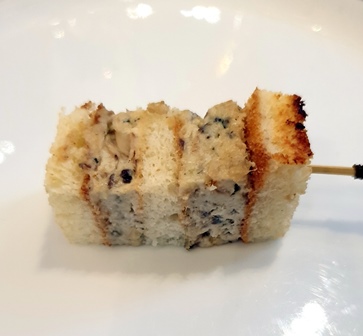
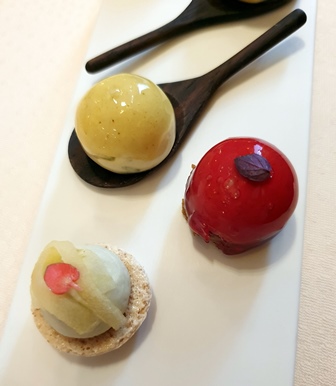
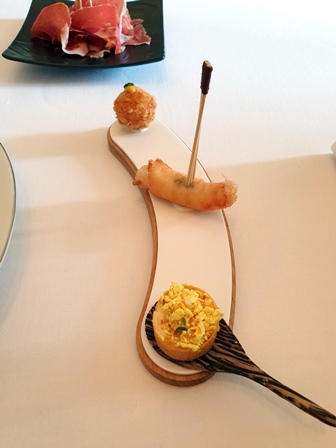
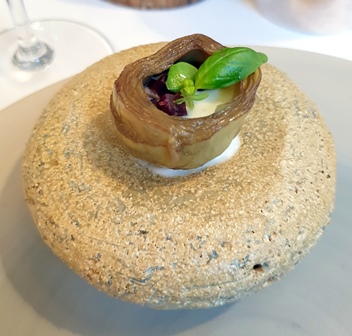
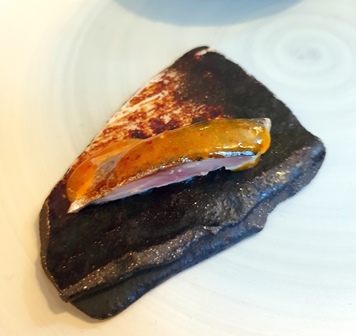
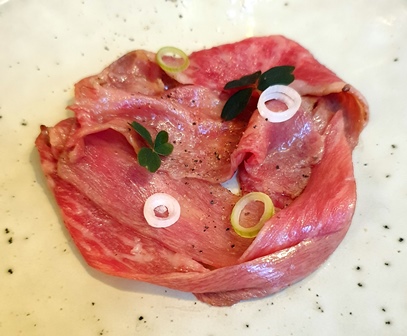
The appetizers at the beginning of the meal are of a certain refinement which shows the talent of the chef, promised to the most beautiful destinies. All dishes were outstanding but the first two, sweetbreads and lobster were treated more as dishes than as wine guides. On the contrary the following dishes were ideal for the wines.
Anastasia, the sommelier who accompanied us on this magical trip did an excellent service. One of the great qualities of Taillevent is its ability to adapt to all situations. This meal was exemplary, with memorable wines. And the Romanée Conti 1937 will be a great memory.
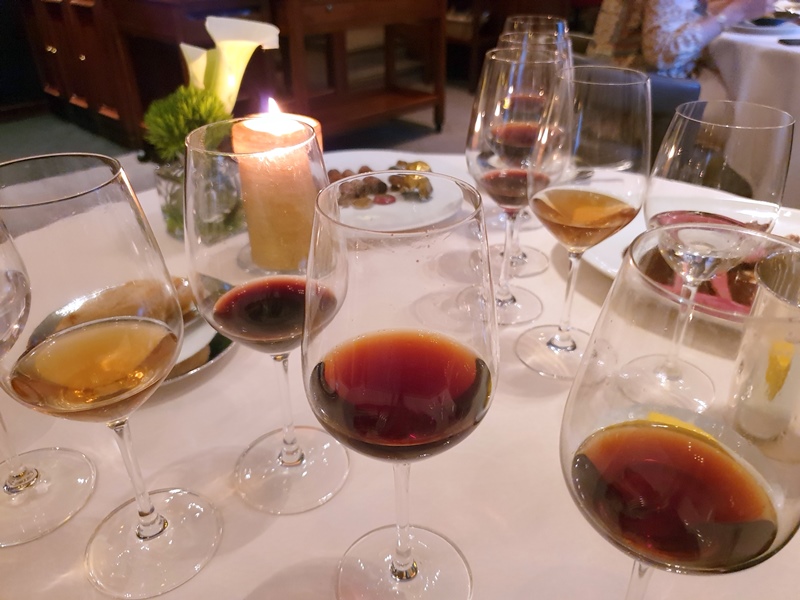
les couleurs des deux rouges, le 1929 et le 1937
The genesis of this dinner is quite original. The day a dinner was held at the Hotel de Crillon, I received an email proposing me to buy a Richebourg Domaine de la Romanée Conti Vigne Original French not reconstituted 1942. I already drank these prephylloxeric Richebourgs with exceptional qualities on the vintages 1930, 1935 and 1943 and perhaps others for which I might not have paid attention to this specificity marked on the label. The proposed price takes into account the rarity of this wine.
The atmosphere of the dinner being particularly friendly, I propose to my guests that we buy together this wine. I would then embroider the program of a dinner around this wine. Eight of the eleven guests agree to be co-owners. I build a wine list by choosing a theme to accompany the wine of 1942, which will be: the five great whites of Curnonsky, the "prince of gastronomes". The idea pleases my guests, and we will meet this evening at the restaurant Pages.
By construction, there should be no newbies in this meal but the wife of a guest gave her seat to her young son who is a great lover of wine. As he understands quickly, the instructions on board will be given very quickly.
When I bought the Richebourg, I received photos on the e-mail. When my supplier delivered the bottle, the pale pink color slightly purplish would have led me not to buy it but there, I had no choice, I could not withdraw because dinner was already on track. So I planned safely another Richebourg 1942 from my cellar, but not from prephylloxeric vines. History will show that I did not need it.
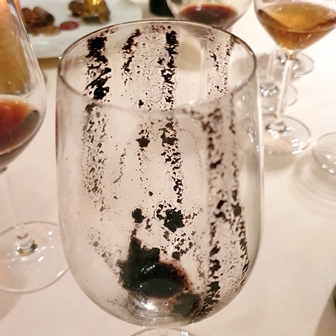
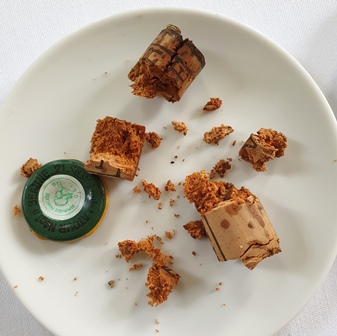
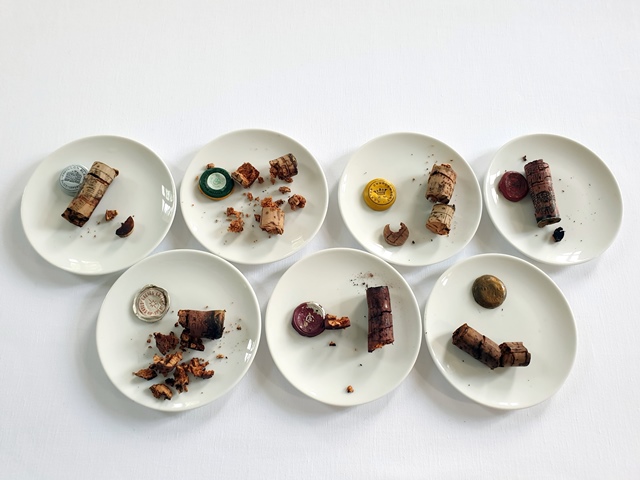
At 16:30 I go to the restaurant Pages to open the wines. Curiously, almost all white wines have black dusts exuding on the top of the cork. Is it chance or weather-related, I do not know. The cork of the Coulée de Serrant 1976 is magnificent. Other plugs break but do not pose any particular problem. The Coulée de Serrant has a frank and engaging fragrance. That of Château Grillet 1982 is nonexistent, as the wine seems closed. That of Montrachet 1992 is brilliant. The uncertainty could be that of the two wines of 1942. Which perfumes will they offer? The nose of Château Margaux 1942 I like a lot. The wine is likely to be brilliant. The perfume of Richebourg 1942 is promising. Phew! It is very characteristic of the estate's wines, with a small salty background.
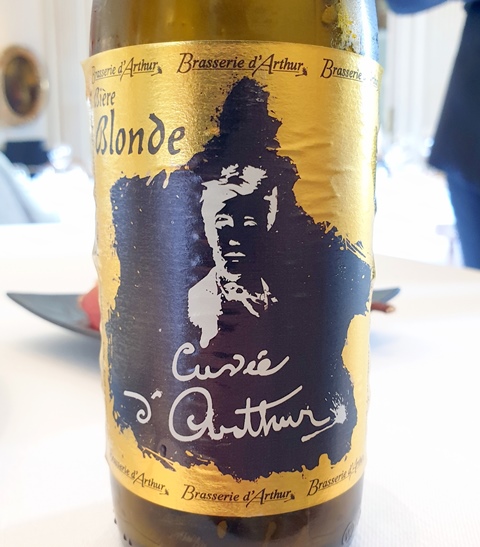
My fears no longer exist because the Château Chalon 1976 is triumphant. The perfume of 1941 Yquem is by far the most beautiful, glorious as the gold of her dress. Lumi knows I like having a beer after the opening session, especially when, as tonight, the opening suggests that there will be no problem. The beer arrives without my asking. It's high class.
Matthew the excellent sommelier opens the champagnes an hour before the arrival of the guests. They are all on time, it's a dream. We are eight, including two women.
The aperitif is taken with the Champagne Pierre Péters Réserve Oubliée Blanc de Blancs without year. I do not remember very well the vintages that make up this champagne but I think there are some of them aged up to 1937. Champagne shows that it has some old champagnes in it but it is still a young maturity. Of the three amuse-bouches only one makes it vibrate, the one which contains eggs of salmon with the strong taste which excites the Peters. The others are too neutral for the champagne to be of a certain laziness.
The menu created for this dinner by Chef Teshi and Ken and Yuki and the team: Appetizers / Saffron Risotto with Cockles and Parsley / Caramelized Cod, "umami" sauce with Haddock Broth / Carré de Veau du Perche, Sauce with creamed champagne, glazed turnips / Vendée pigeon, salmis sauce, parsnip / Poached foie gras / Stuffed morels with duck leg confit, beef jus / Comté 15 months / White vanilla cake with white chocolate, pink grapefruit and mango.
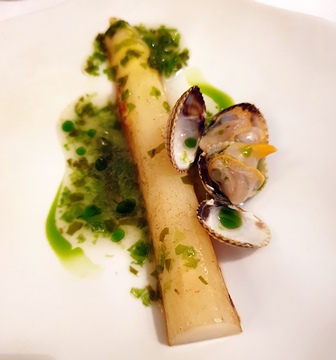
Champagne Jacques Selosse Substance disgorged 07/13 shows a certain qualitative leap and an exemplary liveliness. What fascinates me is its endless finale where frolic beautiful pink fruit. It is racy, lively, and the delicious cockles are a treat on this champagne.
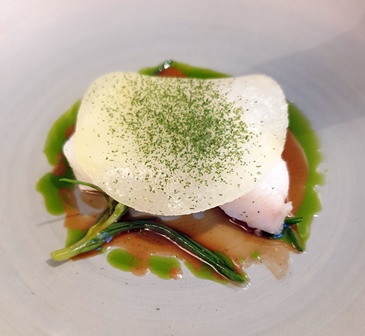
The cod will be accompanied by two of the five Curnonsky wines. The Clos de la Coulée de Serrant A. Joly 1976 leads us on infrequent tracks. It is well structured and makes us find flavors of the Loire, with extreme finesse. We are in a range of unusual but exciting tastes.
The Château Grillet 1982 has a slightly corky nose, but everything disappears in the mouth when the wine is associated with the dish. The haddock broth makes it interesting and the faults do not reappear until the dish is gone. It does not bring enough emotion and it's a shame because this wine that is the only one in his appellation that bears his name is a curiosity.
My guests are surprised that I chose a calf low temperature to accompany the Montrachet Robert Gibourg 1992 and they are even more surprised when they note that the agreement is exceptional, the most beautiful meal agreement. Montrachet, third wine of Curnonsky, is of a rare accuracy. It does not have the power of some montrachets and it fits to him divinely well because it is impregnating, without forcing. This wine is the ideal white, fleshy and expressive.
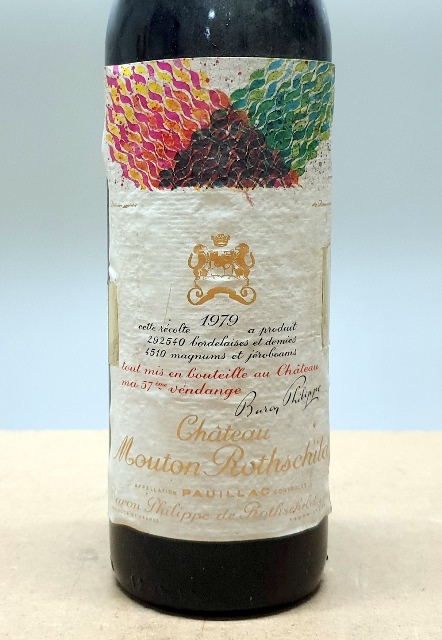
The pigeon is a marvel, cooked divinely. How is it possible that a Château Margaux 1942 has the same wonderful richness as a Margaux of a very big year. In blind tasting, no one would ever think of 1942. The wine is noble, with proud carriage and broad shoulders. It has an intense taste of truffle of an exceptional Bordeaux. I am so enthusiastic about his unexpected performance that I will put it first in my vote, despite the love I have for the next wine.
Ken, the chef who works alongside Teshi, had planned to serve poached foie gras along with morels. I wanted to have only the liver for the Richebourg Domaine de la Romanée Conti Vigne Original French not reconstituted 1942. The first glass that is served to me shows a pale pink color that would discourage any amateur who does not know the colors of the Domaine's wines. At the first sip, I know that we will drink an exceptional wine that has the soul of the wines of the Domaine of Romanée Conti. What a charm, what a courteous speech! I swoon so much I'm happy that this wine that I may have discarded, wrongly, is also attractive with its message where salt is a strong marker. The agreement with the foie gras is superb but the champagne sauce Pommery 1953 is a bit strong for the wine. What a pleasure to drink such a refined wine that smiles at the audacious ones that we were to form a consortium to acquire it.
This is the Château Chalon Tissot 1976, the fourth of Curnonsky wines, which will inherit powerful and filled morels that would not have agreed to the Burgundy wine because of their power, but marry to delight with the powerful and harmonious wine of the Jura. He finds a better flight, because it is his ideal partner, with the Comté of fifteen months of ripening. It is a classic accord, probably one of the most beautiful of the gastronomy.
The fifth and last wine of Curnonsky is the 1941 Chateau d'Yquem with a diabolically sensual scent and the color of a glorious gold. I recently loved a very nice dessert made by the talented Yuki pastry chef of the restaurant, but the chocolate dessert does not vibrate the Yquem. Pink grapefruit is more relevant but it is mostly the mango that best suits this powerful Yquem, much more than I imagined, and greedy, rich in golden fruit.
We chatted about Curnonsky's ranking of the world's five greatest white wines, which he established in the 1930s. If we were to do it today, it is likely that Coulée de Serrant and Château Grillet would not be included. I would suggest the Clos Sainte Hune of Trimbach and the White Hermitage of Chave as possible candidates to appear in this elite.
We are eight to vote for the five favorite of the nine wines. Three wines stand out, the Montrachet which like the Richebourg has three first votes and the Margaux who has two first votes.
The consensus ranking is: 1 - Richebourg Domaine de la Romanée Conti Vigne Original French unreconstituted 1942, 2 - Montrachet Robert Gibourg 1992, 3 - Château Margaux 1942, 4 - Château d'Yquem 1941, 5 - Champagne Jacques Selosse Substance disgorged 07 / 13, 6 - Château Grillet 1982.
My classification is: 1 - Château Margaux 1942, 2 - Richebourg Domaine de la Romanée Conti Vine Original French unreconstituted 1942, 3 - Montrachet Robert Gibourg 1992, 4 - Champagne Jacques Selosse Substance disgorged 07/13.
The dishes were more successful one than the others and the most beautiful chords are those which were created with the three winning wines, the veal with the montrachet, the pigeon with the Margaux and the foie gras poached with the Richebourg.
The atmosphere was smiling, because of our complicity and the guests are waiting for one thing is that I offer them new purchases for new adventures. I have heard that they would be happy if I propose a dinner with a Romanée Conti.
Matthew's service was perfect. The kitchen has done an exceptional job of finding the best food and wine pairings. Making a dinner at Pages restaurant with such a motivated team is a privilege and a real pleasure.
(see pictures of this dinner in the article in French)
La genèse du 234ème dîner est assez originale. Le jour où se tenait le 232ème dîner à l'hôtel de Crillon, j'avais reçu un mail me proposant d'acheter un Richebourg Domaine de la Romanée Conti Vigne Originelle française non reconstituée 1942. J'ai déjà bu ces richebourgs préphylloxériques aux qualités exceptionnelles sur les millésimes 1930, 1935 et 1943 et peut-être d'autres pour lesquels je n'aurais peut-être pas fait attention à cette spécificité marquée sur l'étiquette. Le prix proposé tient compte de la rareté de ce vin. L'ambiance du dîner étant particulièrement amicale, je propose à mes convives que nous achetions ensemble ce vin. Je broderais ensuite le programme d'un dîner autour de ce vin. Huit sur les onze convives acceptent d'en être copropriétaires. Je bâtis une liste de vins en ayant choisi un thème pour accompagner le vin de 1942, qui sera : les cinq grands blancs de Curnonsky, le « prince des gastronomes ». L'idée plait à mes convives, et nous allons nous retrouver ce soir au restaurant Pages. Par construction, il devrait n'y avoir aucun bizut dans ce repas mais la femme d'un convive a cédé sa place à son jeune fils qui est un grand amateur de vin. Comme il comprend vite, les consignes de bord seront données très rapidement.
Lorsque j'avais acheté le richebourg, j'avais reçu sur le mail des photos. Lorsque mon fournisseur a livré la bouteille, la couleur rose pâle légèrement violacée m'aurait conduit à ne pas l'acheter mais là, je n'avais pas le choix, je ne pouvais plus me dédire puisque le dîner était déjà sur ses rails. J'ai donc prévu en sécurité un autre Richebourg 1942 de ma cave, mais non issu de vignes préphylloxériques. L'histoire montrera que je n'en ai pas eu besoin.
A 16h30 je me présente au restaurant Pages pour ouvrir les vins. Curieusement, quasiment tous les vins blancs ont des poussières noires exsudées sur le haut du bouchon. Est-ce le hasard ou lié à des conditions climatiques, je ne sais pas. Le bouchon de la Coulée de Serrant 1976 est magnifique. D'autres bouchons se brisent mais ne posent pas de problème particulier. La Coulée de Serrant a un parfum franc et engageant. Celui du Château Grillet 1982 est inexistant, tant le vin semble fermé. Celui du Montrachet 1992 est brillant. L'incertitude pourrait être celle des deux vins de 1942. Quels parfums vont-ils offrir ? Le nez du Château Margaux 1942 me plait beaucoup. Le vin a toutes chances d'être brillant. Le parfum du Richebourg 1942 est prometteur. Ouf ! Il est très caractéristique des vins du domaine, avec un petit fond salé.
Mes craintes n'existent plus car le Château Chalon 1976 est triomphant. Le parfum de l'Yquem 1941 est de loin le plus beau, glorieux comme l'or de sa robe. Lumi sait que j'aime prendre une bière après la séance d'ouverture, surtout lorsque, comme ce soir, elle laisse supposer qu'il n'y aura pas de problème. La bière arrive sans que je la demande. C'est de grande classe. Matthieu l'excellent sommelier ouvre les champagnes une heure avant l'arrivée des convives.
Ils sont tous à l'heure, c'est le rêve. Nous sommes huit dont deux femmes. L'apéritif se prend avec le Champagne Pierre Péters Réserve Oubliée Blanc de Blancs sans année. Je ne me souviens plus très bien des millésimes qui composent ce champagne mais je crois qu'il y en a de 1937. Le champagne montre qu'il a en lui quelques vieux champagnes mais il est encore d'une jeune maturité. Des trois amuse-bouches un seul le fait vibrer, celui qui contient des œufs de saumon au goût fort qui excite le Péters. Les autres sont trop neutres pour que le champagne se sorte d'une certaine paresse.
Le menu créé pour ce dîner par le chef Teshi et Ken et Yuki et l'équipe : Amuse-bouche / Risotto safrané aux coques et au persil / Cabillaud caramélisé, sauce « umami » au bouillon de haddock / Carré de veau du Perche, sauce au champagne crémée, navets glacés / Pigeon de Vendée, sauce salmis, panais / Foie gras poché / Morilles farcies au confit de cuisse de canard, jus de bœuf / Comté 15 mois / Gâteau blanc à la vanille et chocolat blanc, pamplemousse rose et mangue.
Le Champagne Jacques Selosse Substance dégorgé 07/13 montre un saut qualitatif certain et une vivacité exemplaire. Ce qui me fascine, c'est son finale inextinguible où s'ébattent de jolis fruits roses. Il est racé, entrainant, et les délicieuses coques sont un régal sur ce champagne.
Le cabillaud sera accompagné de deux des cinq vins de Curnonsky. Le Clos de la Coulée De Serrant A. Joly 1976 nous entraîne sur des pistes peu fréquentes. Il est bien structuré et nous fait retrouver des saveurs de Loire, avec une finesse extrême. On est dans une gamme de goûts inhabituels mais enthousiasmants.
Le Château Grillet 1982 a un nez légèrement liégeux, mais tout s'efface en bouche lorsque le vin est associé au plat. Le bouillon de haddock le rend intéressant et les défauts ne réapparaissent que lorsque le plat n'est plus là. Il n'apporte pas assez d'émotion et c'est dommage car ce vin qui est le seul dans son appellation qui porte son nom est une curiosité.
Mes convives s'étonnent que j'aie choisi un veau basse température pour accompagner le Montrachet Robert Gibourg 1992 et ils s'étonnent encore plus quand ils constatent que l'accord est exceptionnel, le plus bel accord du repas. Le Montrachet, troisième vin de Curnonsky, est d'une justesse de ton rare. Il n'a pas la puissance de certains montrachets et cela lui va divinement bien car il est imprégnant, sans forcer. Ce vin est le blanc idéal, charnu et expressif.
Le pigeon est une pure merveille, cuit divinement. Comment est-il possible qu'un Château Margaux 1942 ait la même richesse merveilleuse qu'un Margaux d'une très grande année. A l'aveugle, jamais personne ne penserait à 1942. Le vin est noble, au port altier et aux larges épaules. Il a un intense goût de truffe d'un bordeaux d'exception. Je suis tellement enthousiaste devant sa prestation d'un niveau inattendu que je le mettrai premier de mon vote, malgré l'amour que j'ai pour le vin suivant.
Ken, le chef qui travaille aux côtés de Teshi, avait envisagé de servir le foie gras poché en même temps que des morilles. J'ai voulu que l'on n'ait que le foie seul pour le Richebourg Domaine de la Romanée Conti Vigne Originelle française non reconstituée 1942. Le premier verre qui m'est servi montre une couleur rose pâle qui rebuterait tout amateur qui ne connait pas les couleurs des vins du Domaine. A la première gorgée, je sais que nous boirons un vin exceptionnel qui a l'âme des vins du domaine de la Romanée Conti. Quel charme, quel discours courtois ! Je me pâme tant je suis heureux que ce vin que j'aurais peut-être écarté, à tort, se montre aussi séduisant par son message où le sel est un marqueur fort. L'accord avec le foie gras est superbe mais la sauce au champagne Pommery 1953 est un peu forte pour le vin. Quel bonheur de boire un vin aussi raffiné qui sourit aux audacieux que nous fumes de former un consortium pour l'acquérir.
C'est le Château Chalon Tissot 1976, quatrième des vins de Curnonsky, qui va hériter des morilles puissantes et fourrées qui n'auraient pas convenu au vin de Bourgogne du fait de leur puissance, mais se marient à ravir avec le puissant et harmonieux vin du Jura. Il trouve un meilleur envol, car c'est son partenaire idéal, avec le Comté de quinze mois d'affinage. C'est un accord classique, probablement l'un des plus beaux de la gastronomie.
Le cinquième et dernier vin de Curnonsky est le Château d'Yquem 1941 au parfum diaboliquement sensuel et à la couleur d'un or glorieux. J'avais aimé récemment un très joli dessert fait par la talentueuse Yuki pâtissière du restaurant, mais le dessert au chocolat ne fait pas vibrer l'Yquem. Le pamplemousse rose est plus pertinent mais c'est surtout la mangue qui s'adapte le mieux à cet Yquem puissant, beaucoup plus que ce que j'imaginais, et gourmand, riche de fruits dorés.
Nous avons bavardé sur le classement de Curnonsky des cinq plus grands vins blancs du monde, qu'il a établi dans les années trente. Si on devait le faire aujourd'hui, il est probable que la Coulée de Serrant et le Château Grillet n'y figureraient pas. J'ai hasardé le Clos Sainte Hune de Trimbach et l'Hermitage blanc de Chave comme possibles candidats à figurer dans cette élite.
Nous sommes huit à voter pour les cinq préférés des neuf vins. Trois vins sortent du lot, le montrachet qui comme le Richebourg a trois votes de premier et le Margaux qui a deux votes de premier.
Le classement du consensus est : 1 - Richebourg Domaine de la Romanée Conti Vigne Originelle française non reconstituée 1942, 2 - Montrachet Robert Gibourg 1992, 3 - Château Margaux 1942, 4 - Château d'Yquem 1941, 5 - Champagne Jacques Selosse Substance dégorgé 07/13, 6 - Château Grillet 1982.
Mon classement est : 1 - Château Margaux 1942, 2 - Richebourg Domaine de la Romanée Conti Vigne Originelle française non reconstituée 1942, 3 - Montrachet Robert Gibourg 1992, 4 - Champagne Jacques Selosse Substance dégorgé 07/13.
Les plats ont été plus réussis les uns que les autres et les plus beaux accords sont ceux qui ont été créés avec les trois vins gagnants, le veau avec le montrachet, le pigeon avec le Margaux et le foie gras poché avec le Richebourg.
L'ambiance était souriante, du fait de notre complicité et les convives n'attendent qu'une chose, c'est que je leur propose de nouveaux achats pour de nouvelles aventures.
Le service de Matthieu a été parfait. La cuisine a fait un travail exceptionnel de recherche des meilleurs accords mets et vins. Faire un dîner au restaurant Pages avec une équipe aussi motivée est un privilège et un vrai bonheur.
J'avais prévu un autre Richebourg 1942 en réserve, mais non préphylloxérique
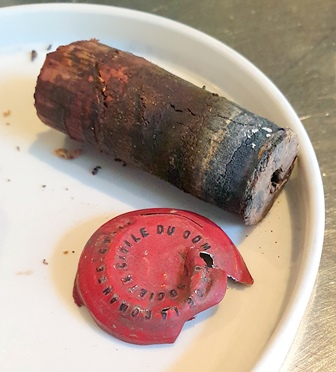
la cire a été découpée avec un couteau chauffé. Je l'offrirai au domaine de la Romanée Conti car une telle cire avec toutes les inscriptions est un témoignage rare
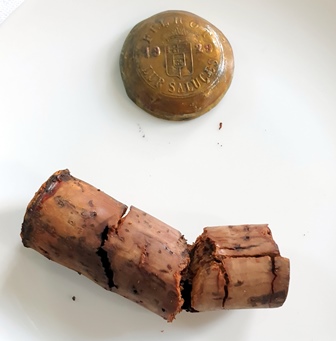
les bouchons des deux 1942
tous les bouchons sauf ceux des champagnes
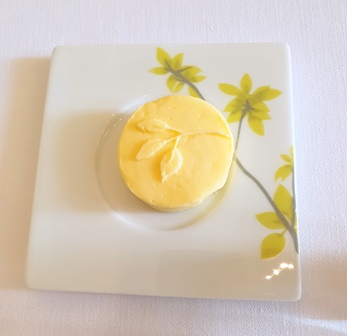
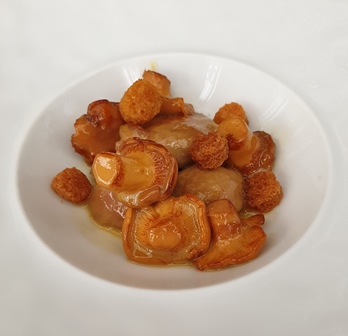
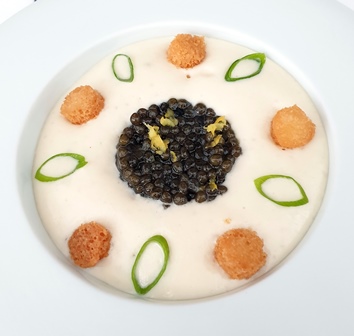
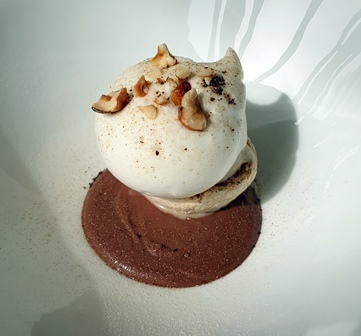
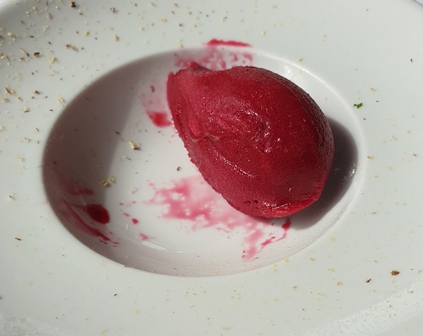
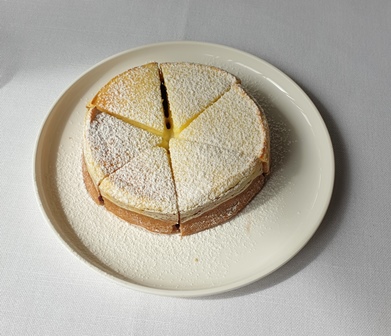
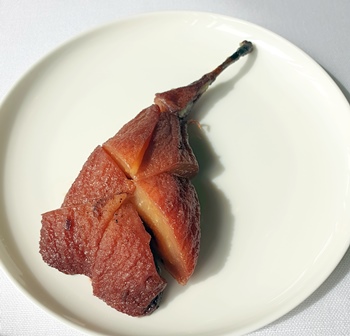
les plats dont j'adore la simplicité de présentation
les bouteilles avant ouverture et après les avoir bues