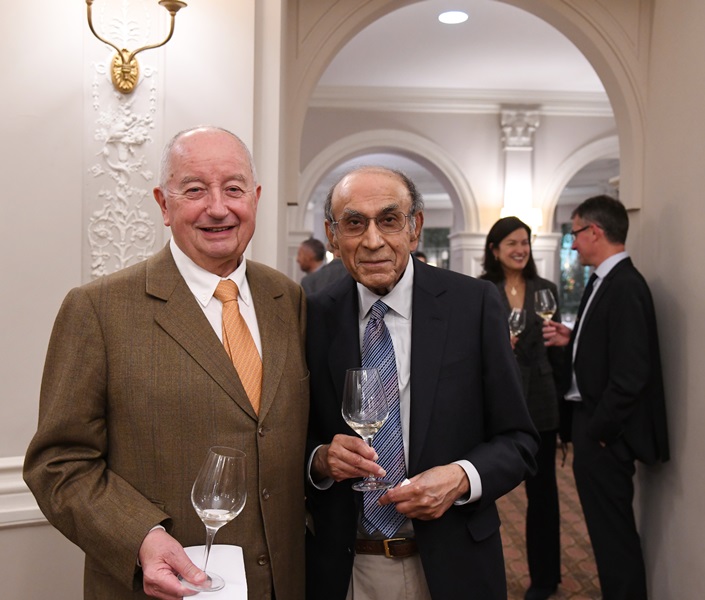
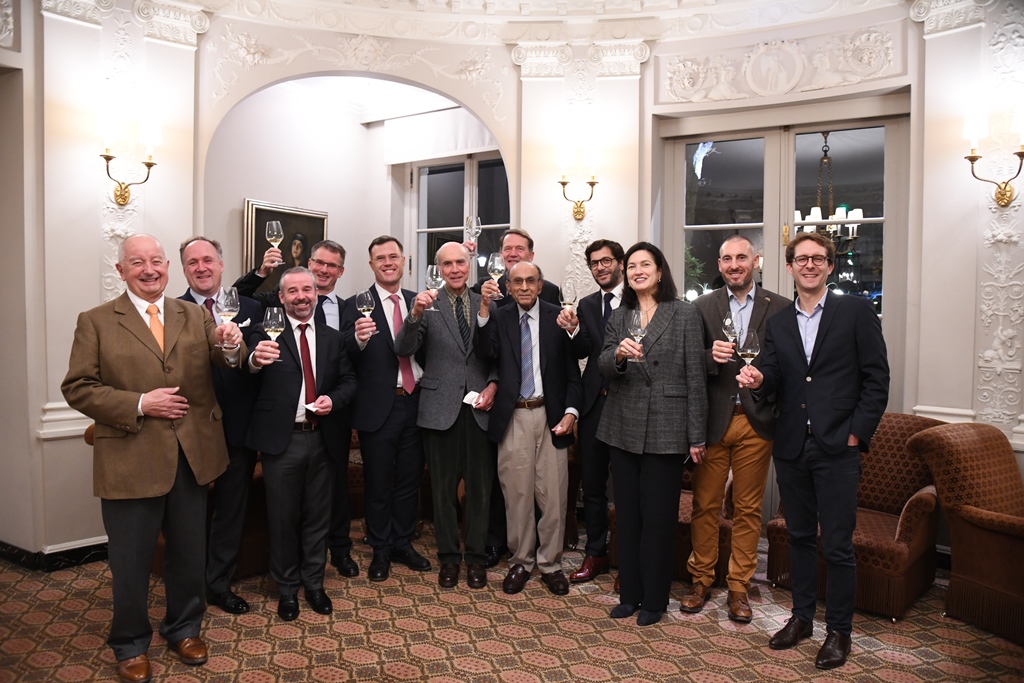
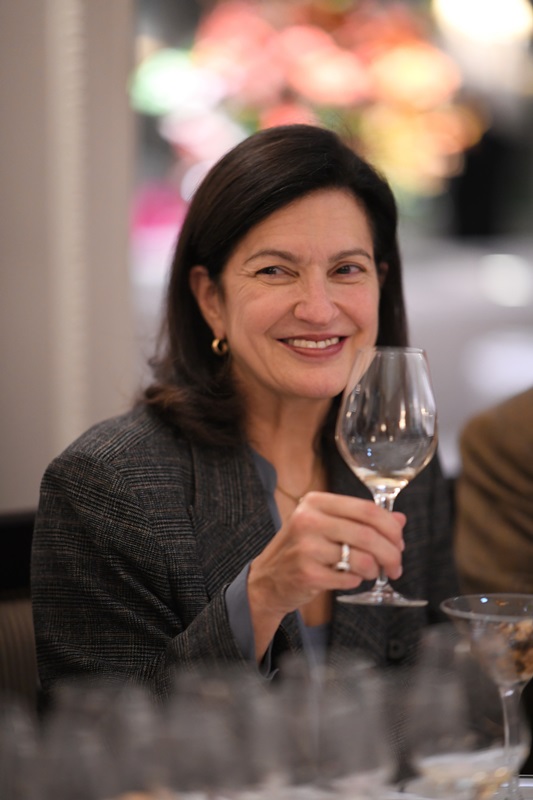
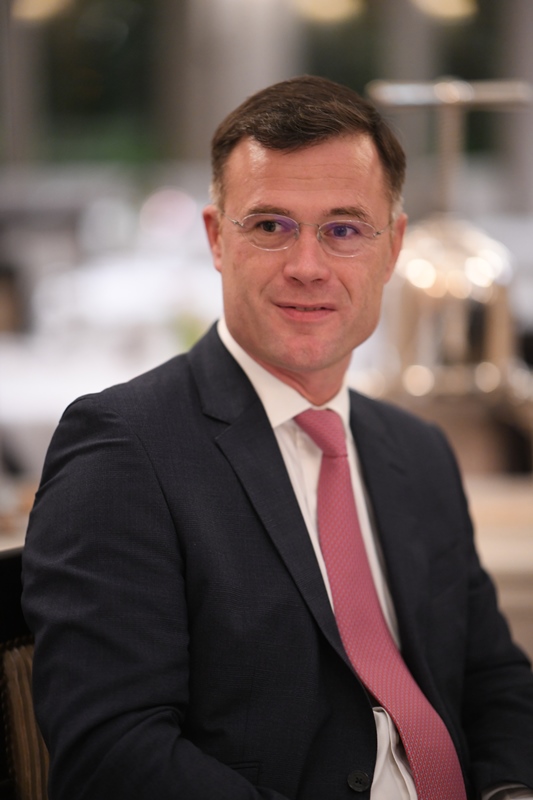
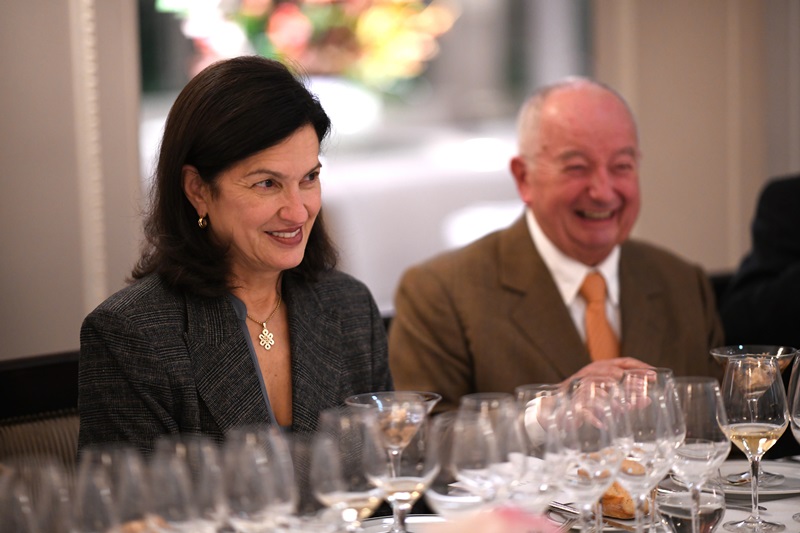
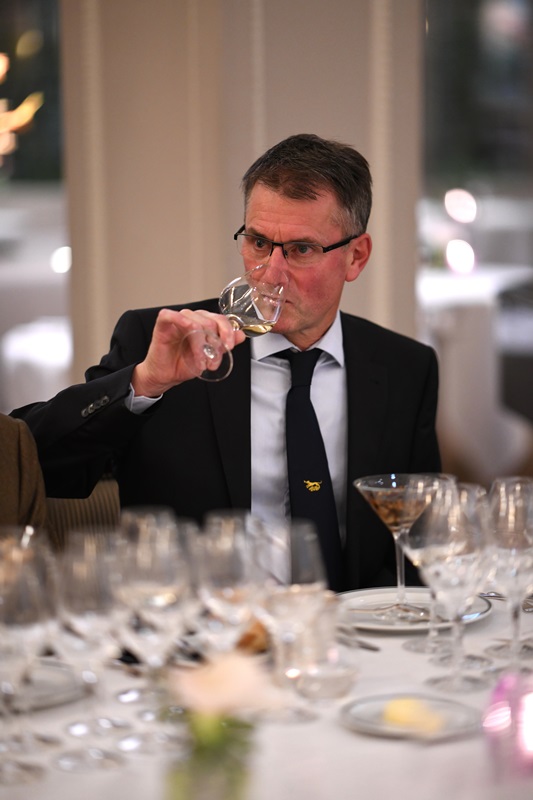
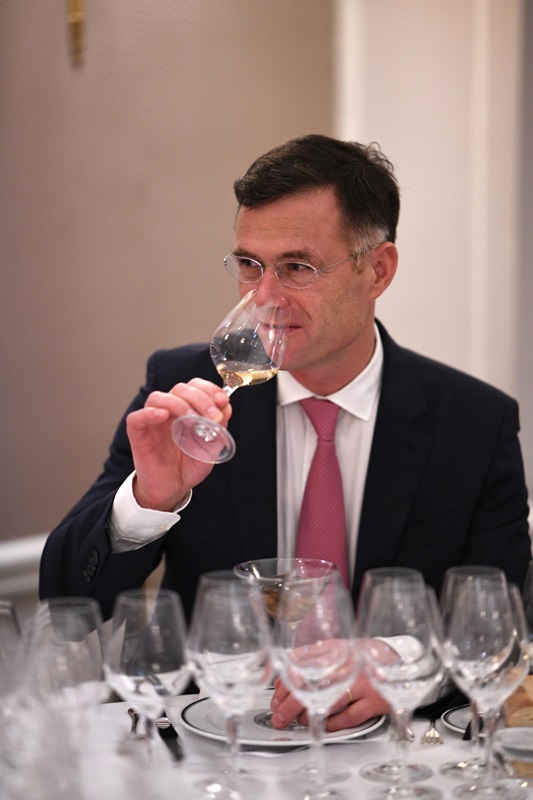
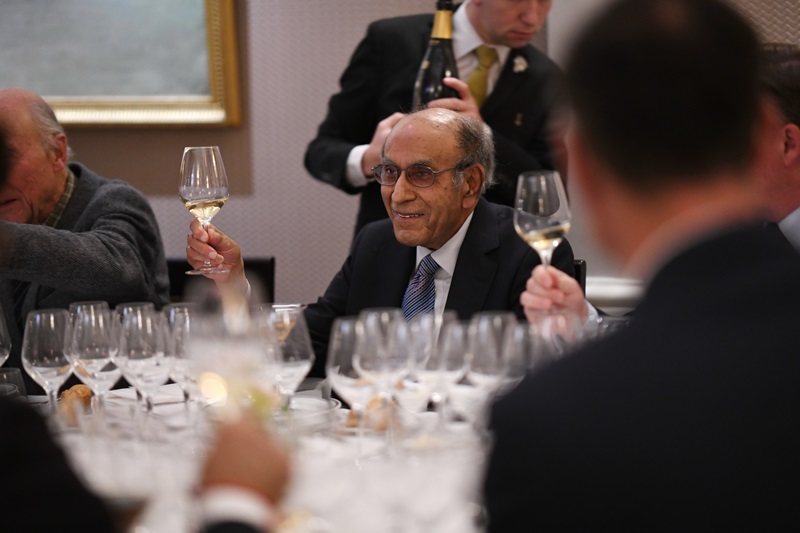
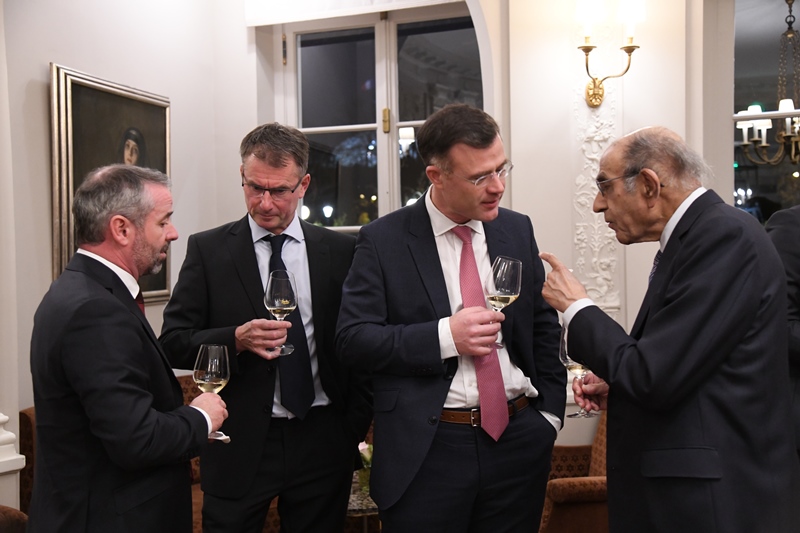
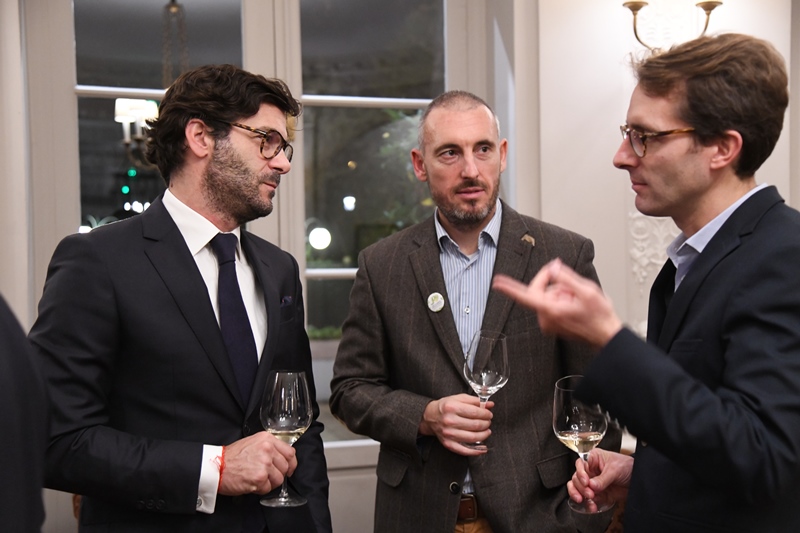
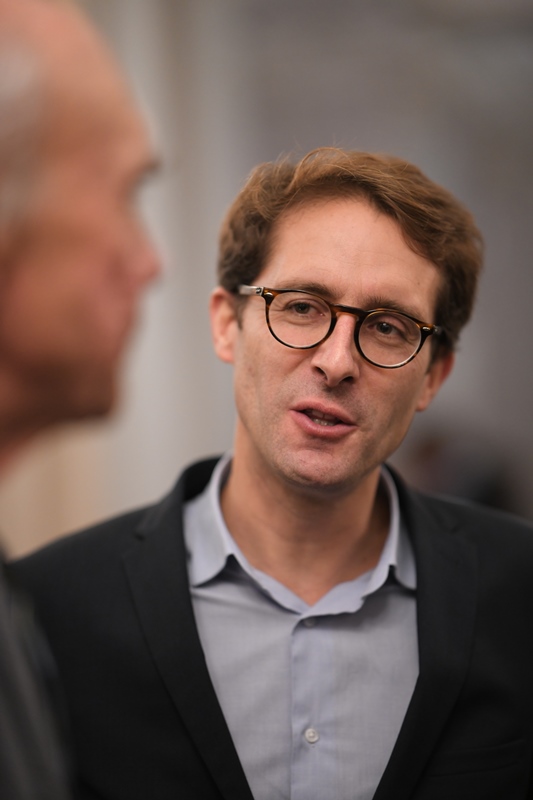
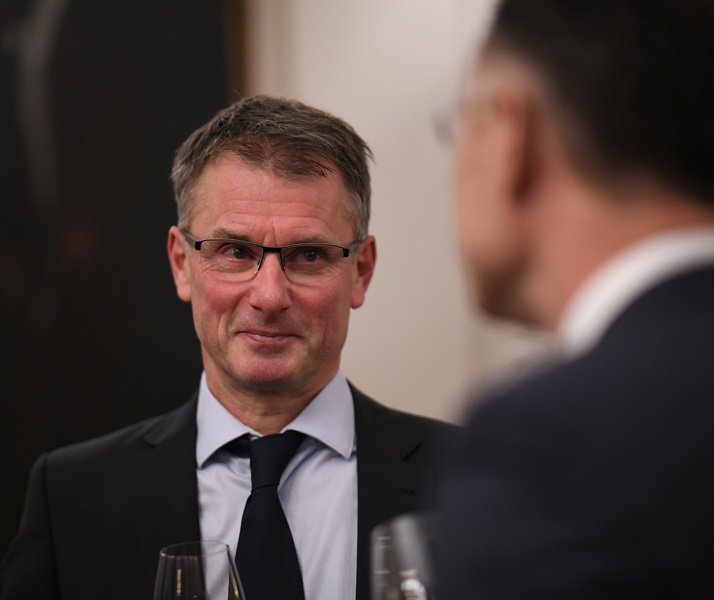
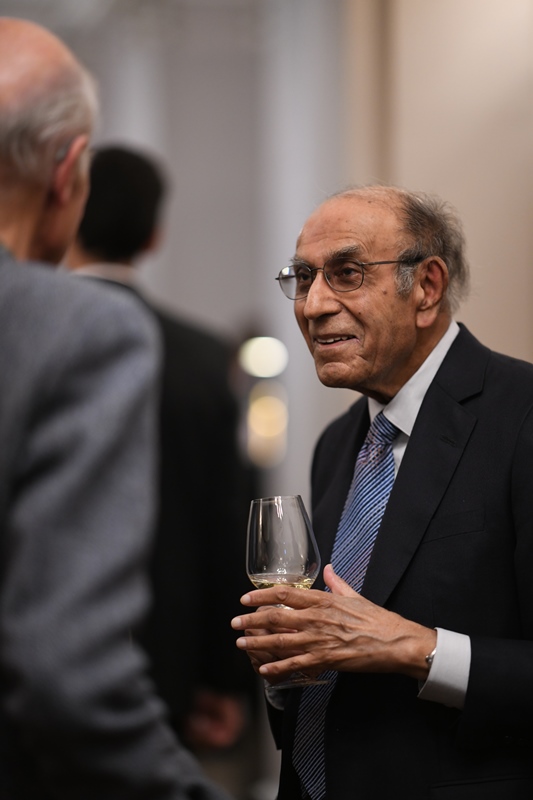
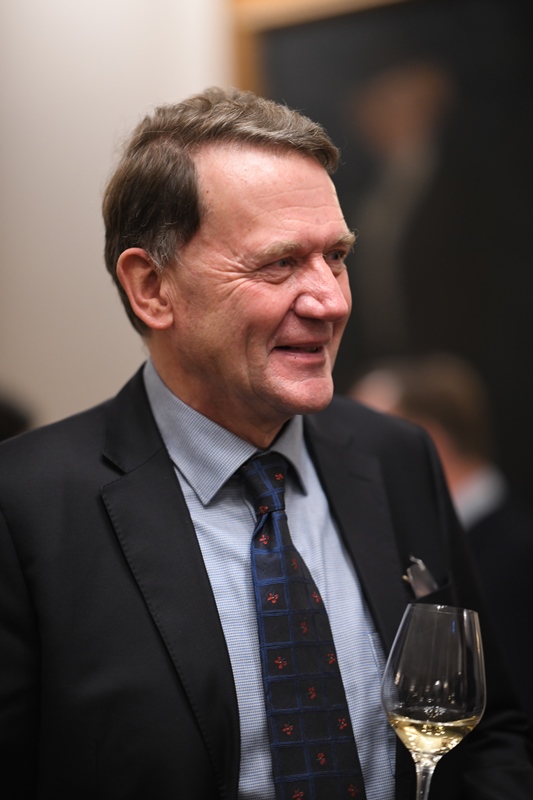
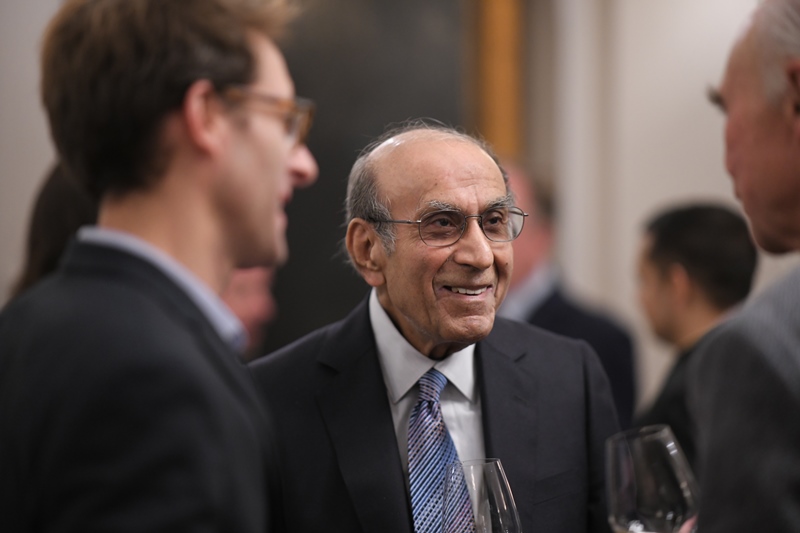
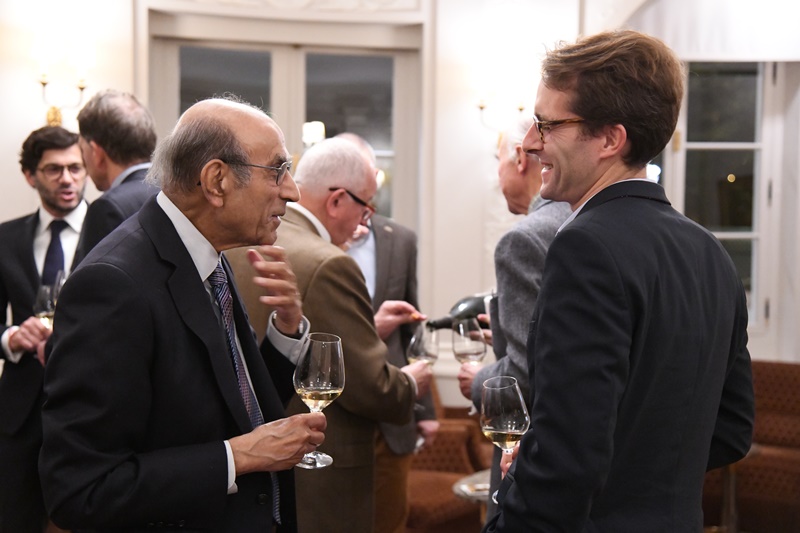
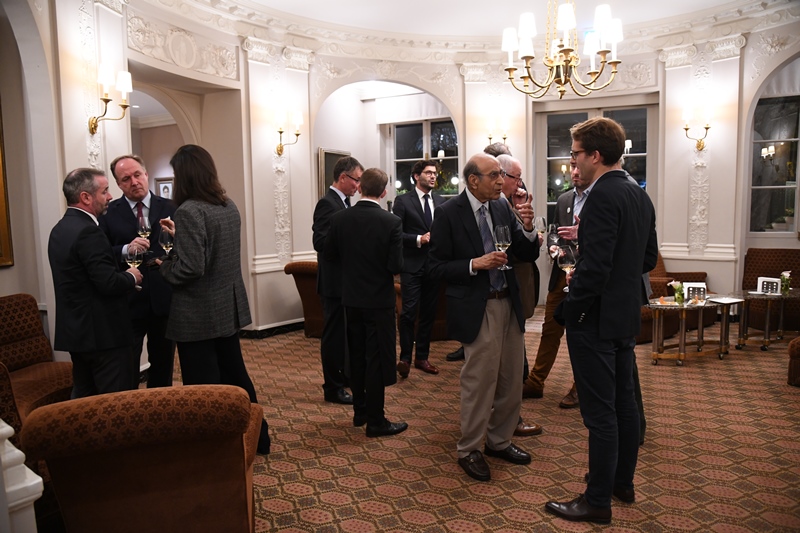
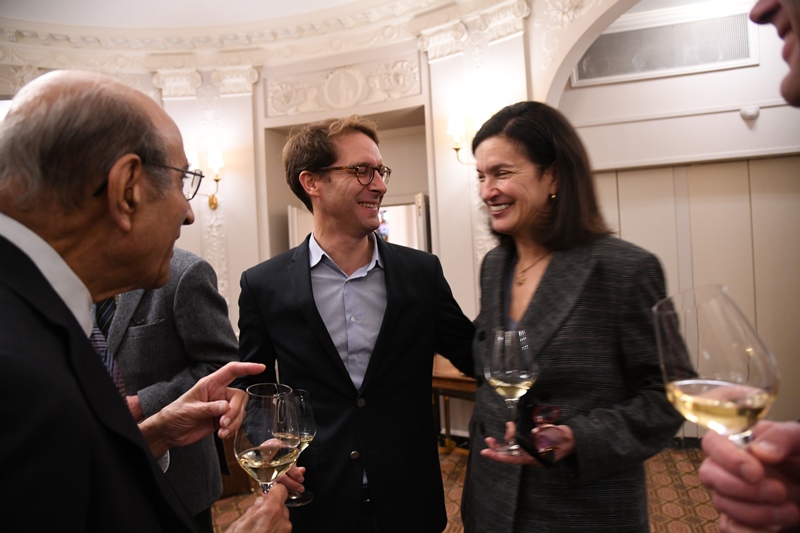
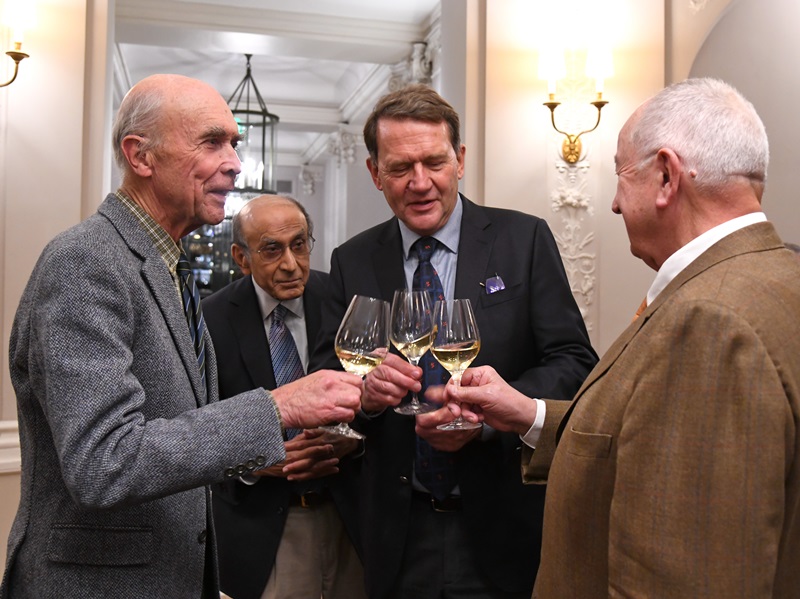
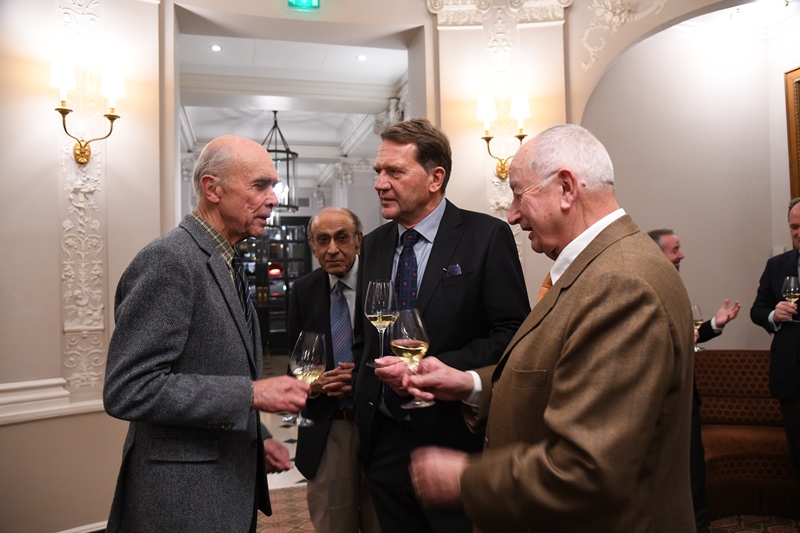
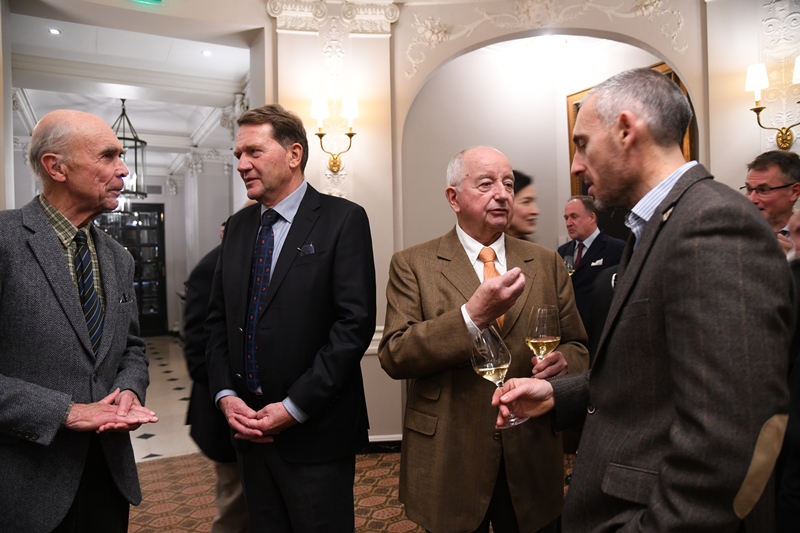
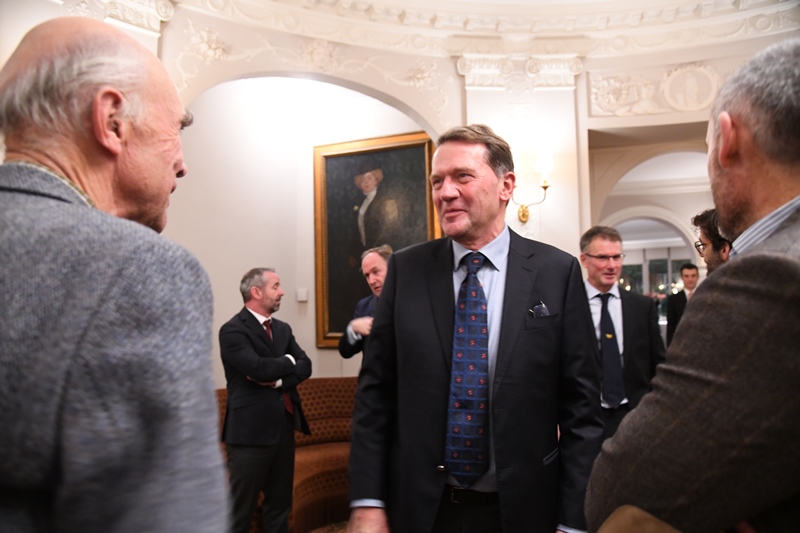
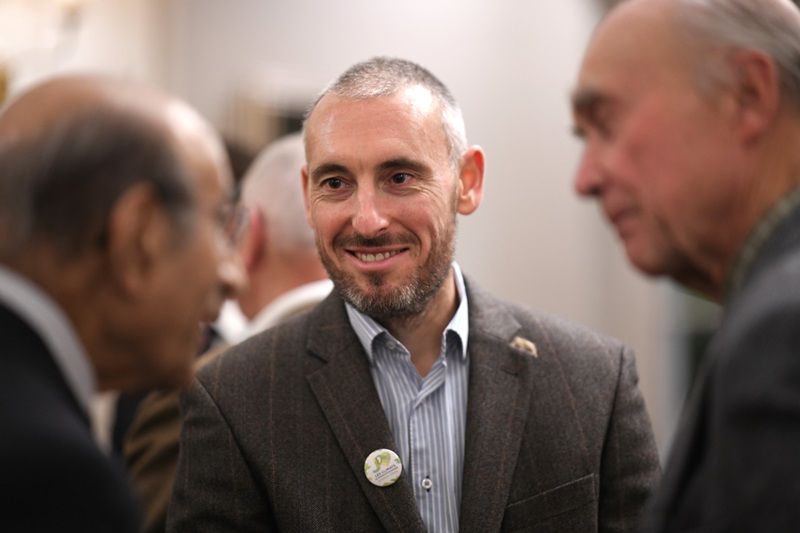
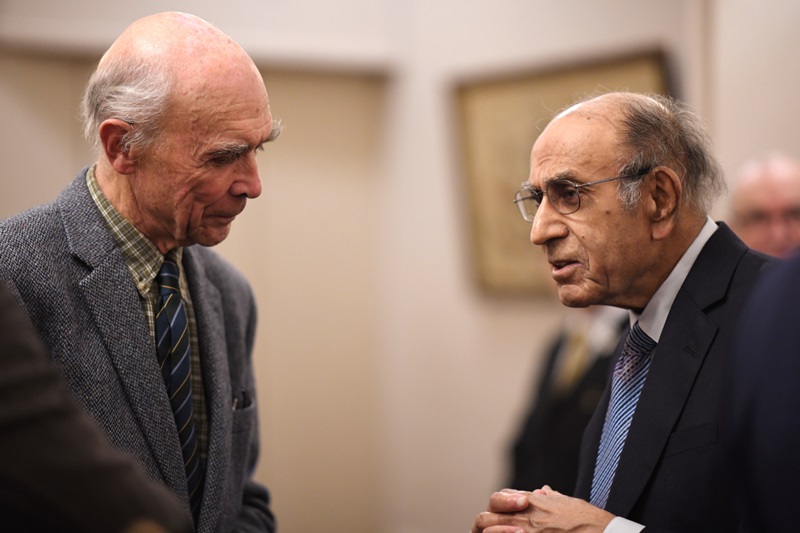
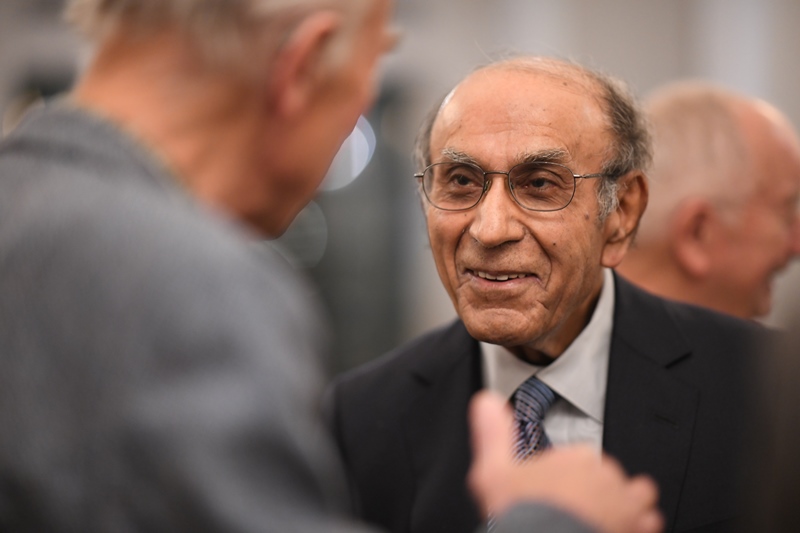
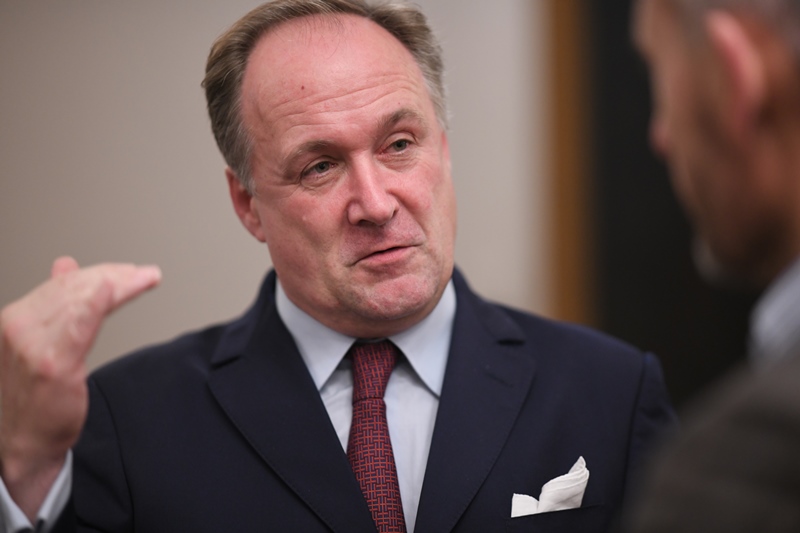
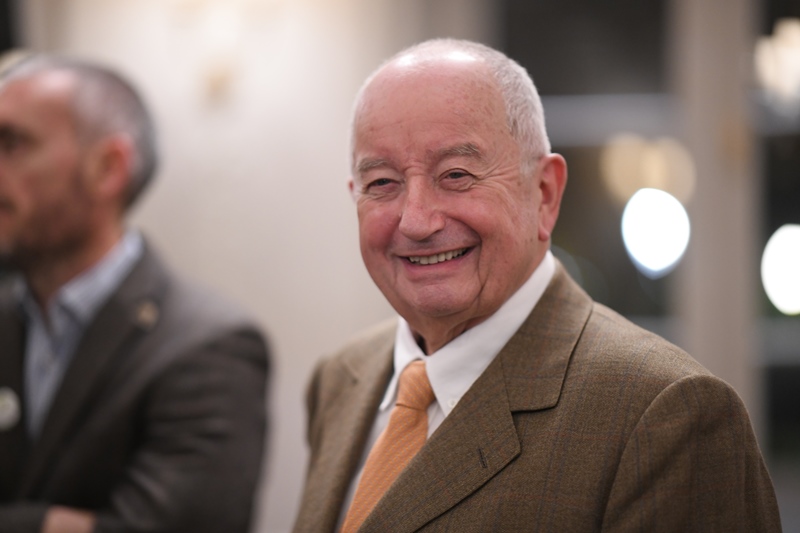
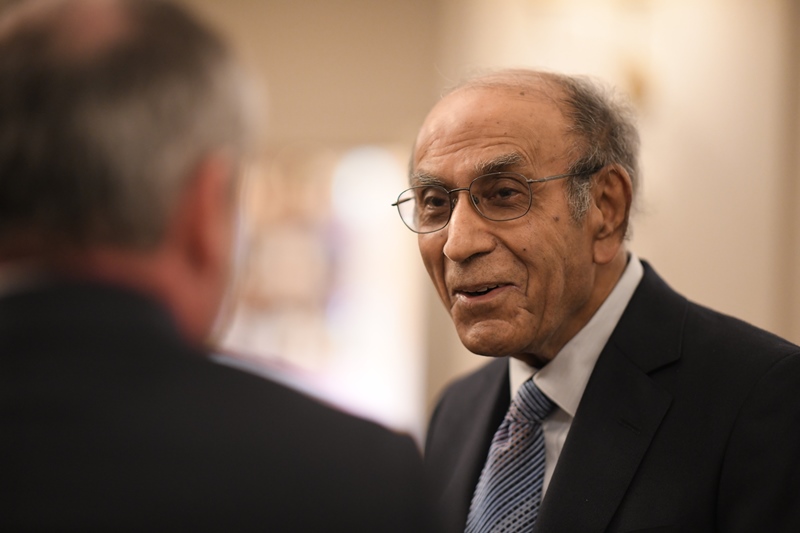
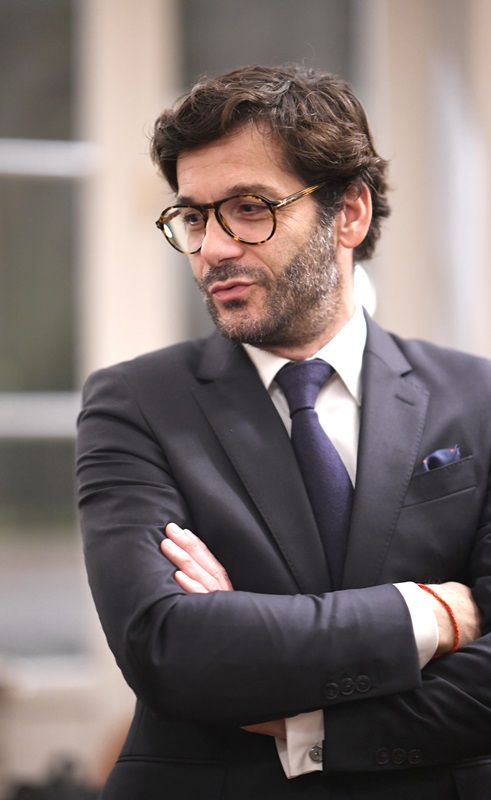
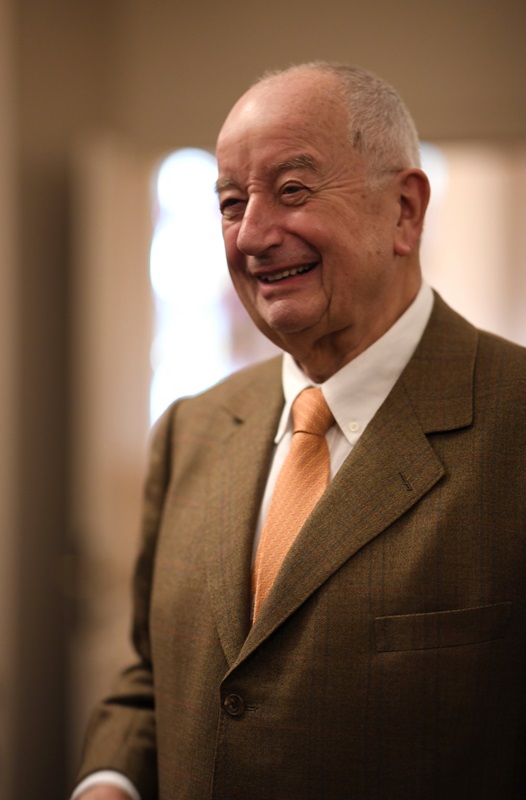
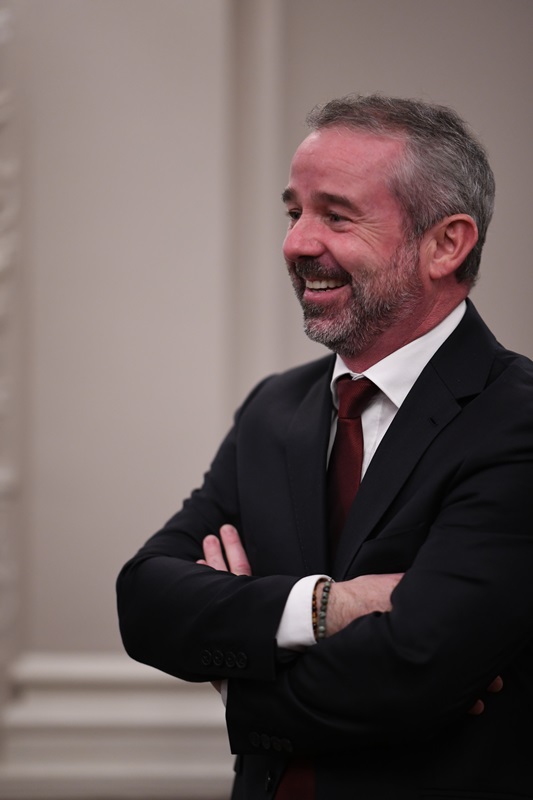
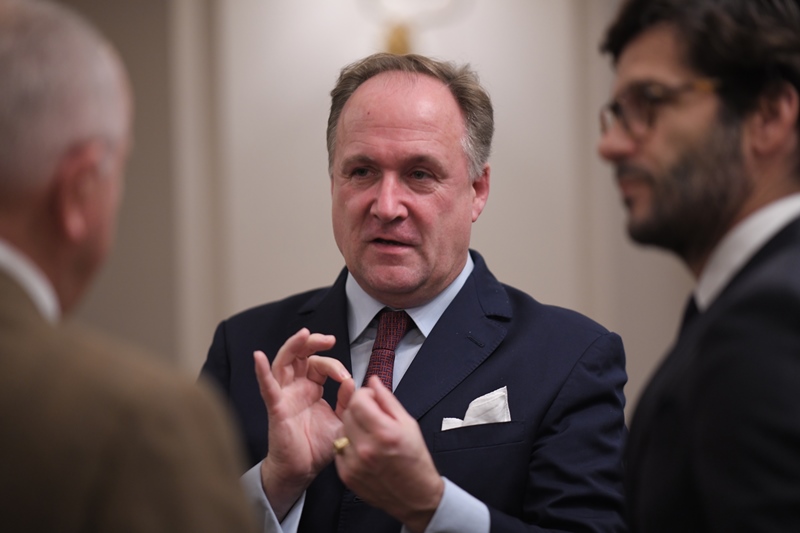
Le 19ème dîner annuel de vignerons que j'organise, appelé 'dîner des amis de Bipin Desai', se tient comme chaque année au restaurant Laurent. Les participants de ce dîner sont : Margareth Henriquez (Champagnes Krug) - Aubert de Villaine (Domaine de la Romanée-Conti) - Brice de la Morandière (Domaine Leflaive) - Frédéric Barnier (Maison Louis Jadot) - Jacques Devauges (Clos des Lambrays) - Jean-Luc Pépin (Domaine Comte Georges de Vogüé) - Marc Hugel (Maison Hugel) - Rodolphe Péters (Champagnes Pierre Péters) - Thomas Seiter (Maison Bouchard Père & Fils) - Vincent Chaperon (Champagne Dom Pérignon) - Bipin Desai et moi. Pierre Trimbach a dû se désister après m'avoir envoyé son vin, qui, à sa demande, sera présenté au dîner.
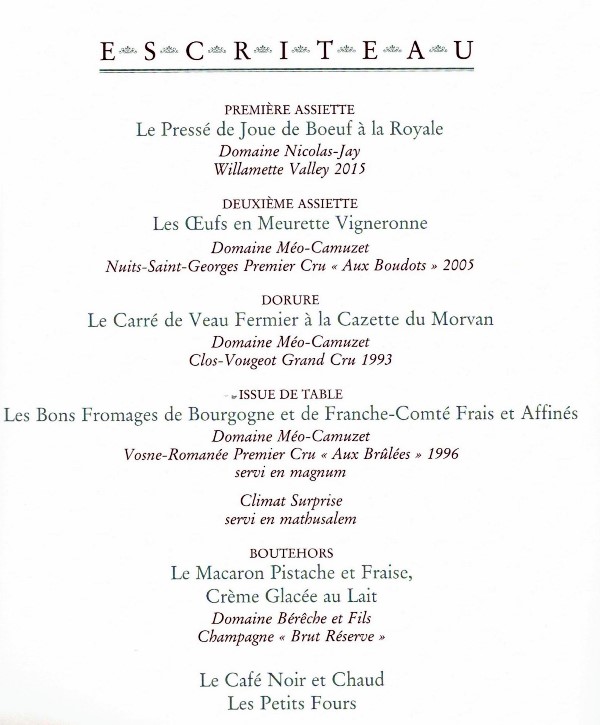
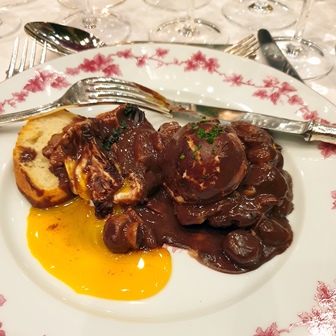
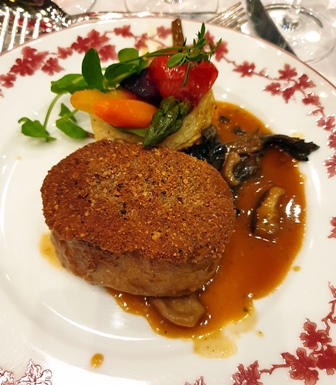
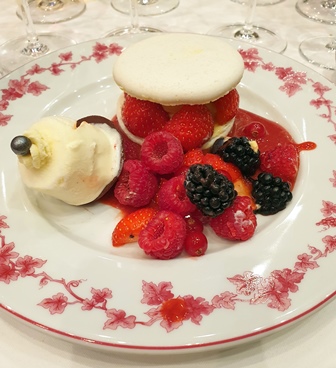
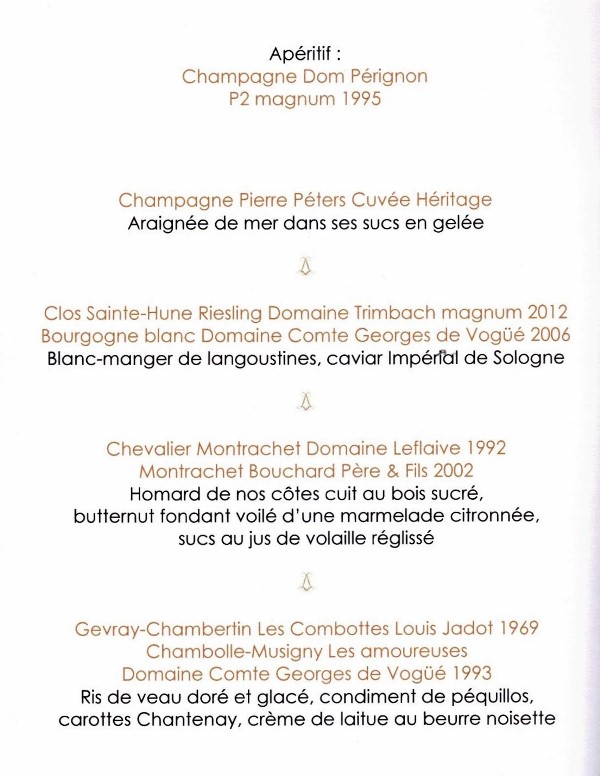
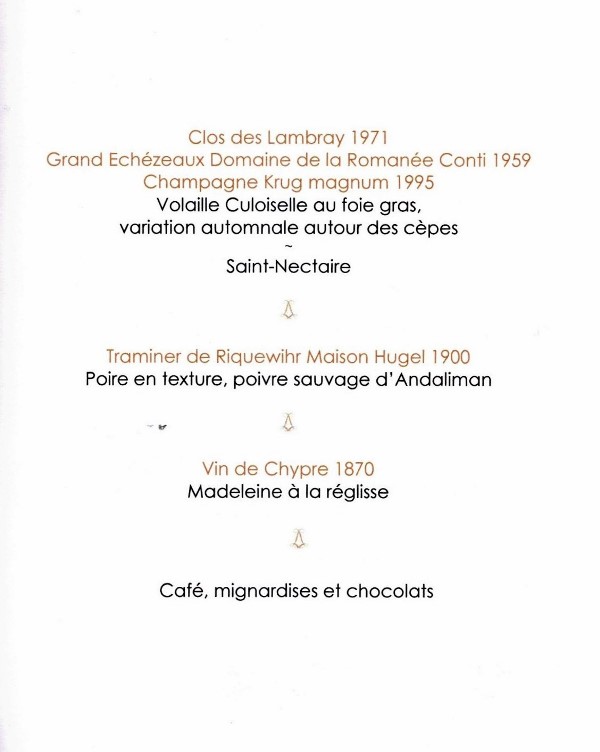
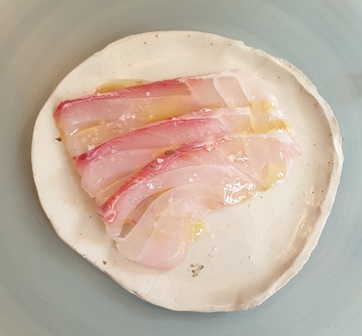
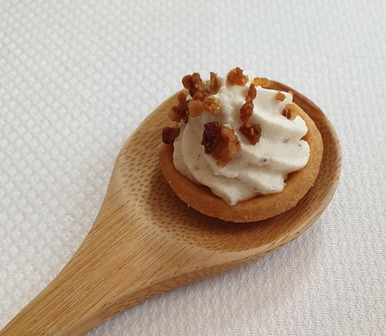
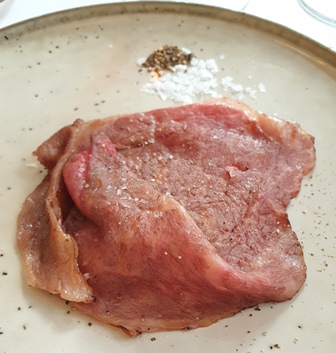
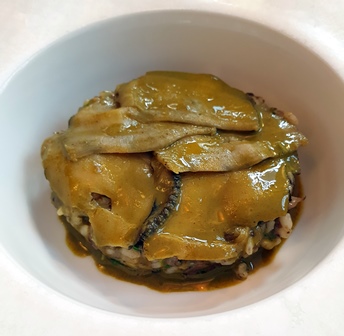
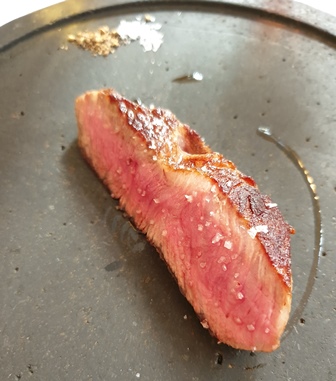
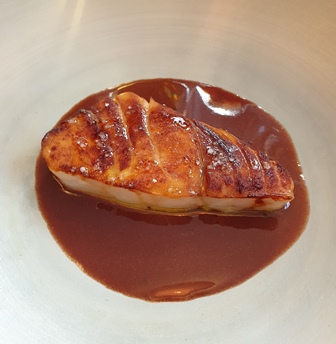
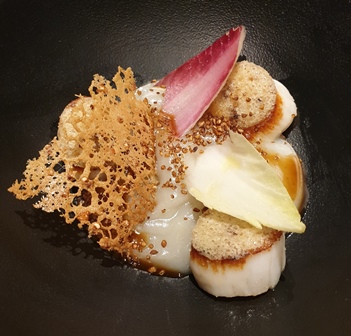
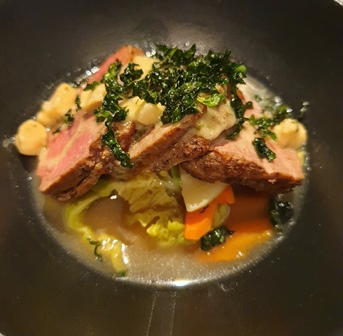
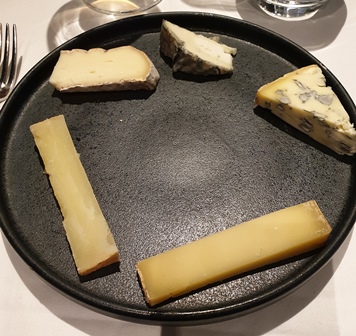
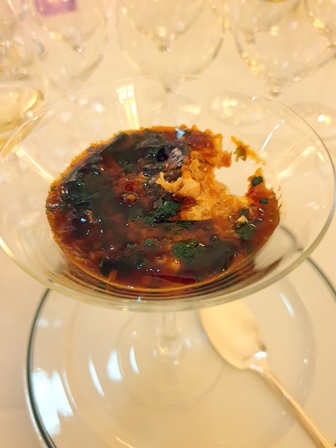
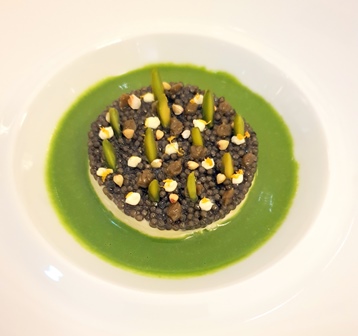
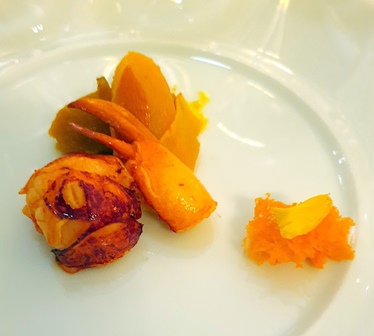
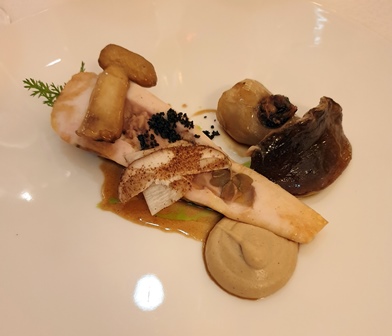
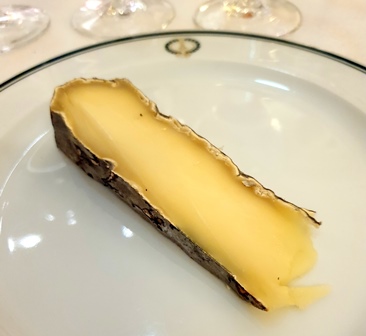
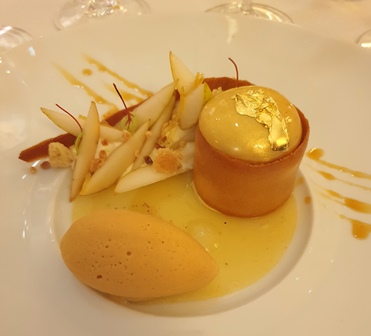
J'étais venu il y a deux mois étudier la cuisine de Julien Schmitt, le nouveau chef du restaurant Laurent, et j'avais apprécié son ouverture d'esprit lorsque nous avons conçu ensemble il y a quelques jours le menu de ce dîner. La forme du repas étant celle d'un de mes dîners, il en sera le 239ème. Le menu est ainsi composé : araignée de mer dans ses sucs en gelée / blanc-manger de langoustines, caviar Impérial de Sologne / homard de nos côtes cuit au bois sucré, butternut fondant voilé d'une marmelade citronnée, sucs au jus de volaille réglissé / ris de veau doré et glacé, condiment de péquillos, carottes Chantenay, crème de laitue au beurre noisette / volaille Culoiselle au foie gras, variation automnale autour des cèpes / Saint-Nectaire / poire en texture, poivre sauvage d'Andaliman / madeleines à la réglisse.
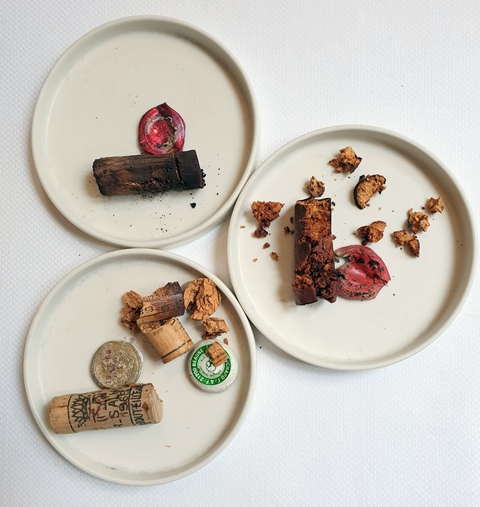
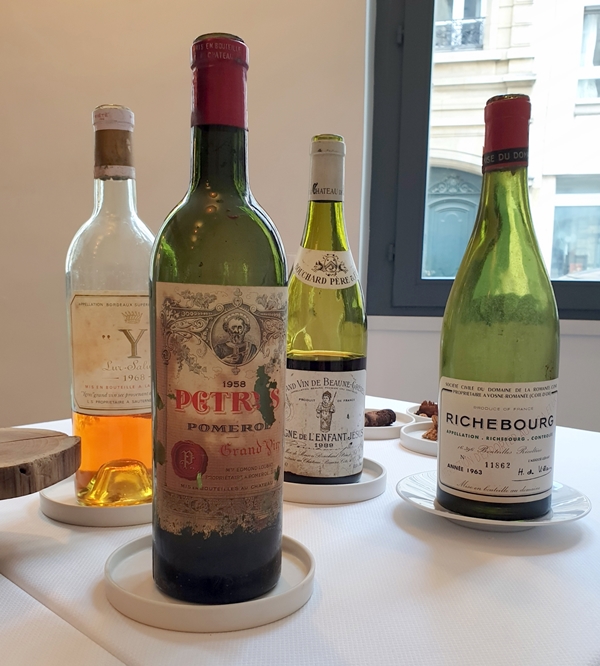
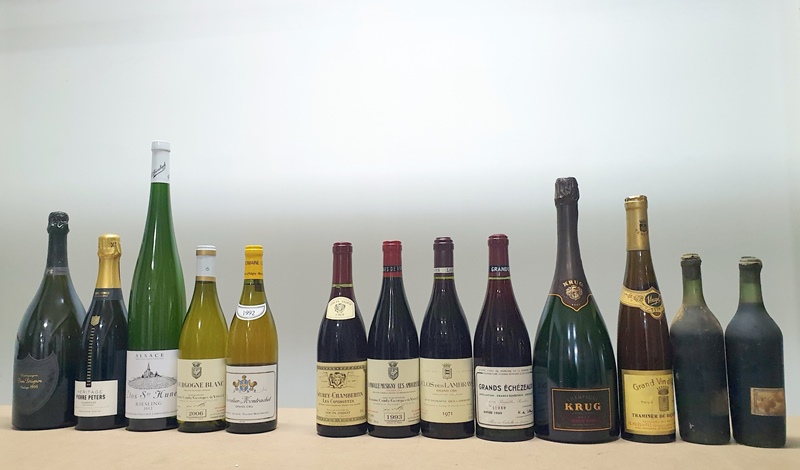
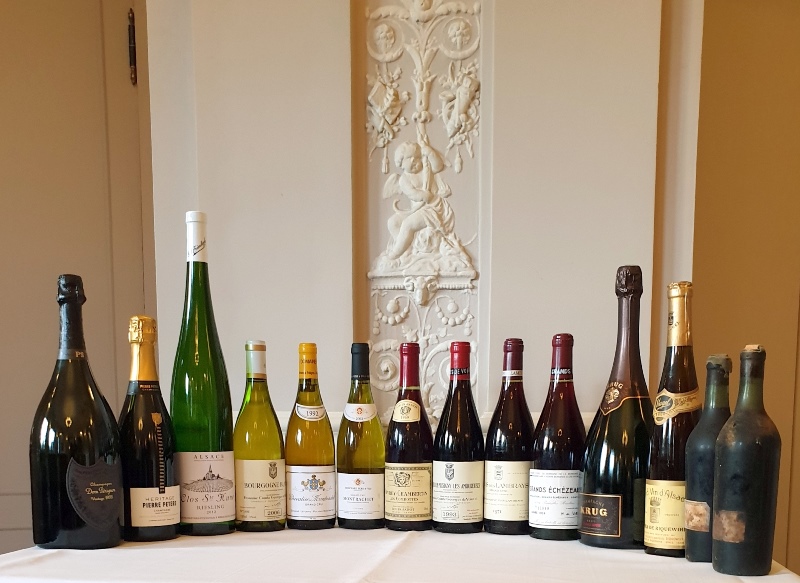
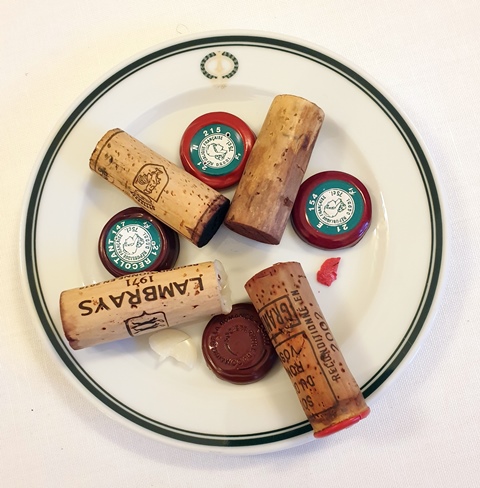
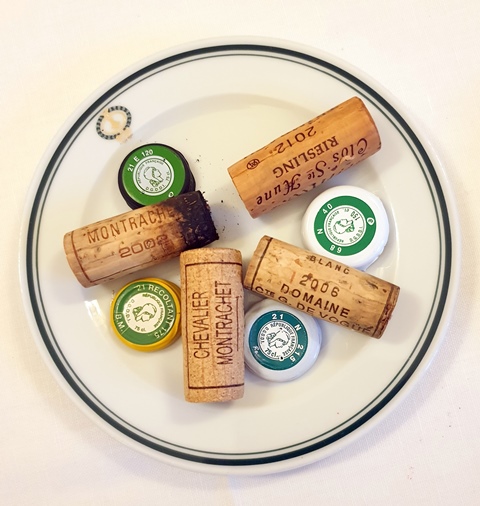
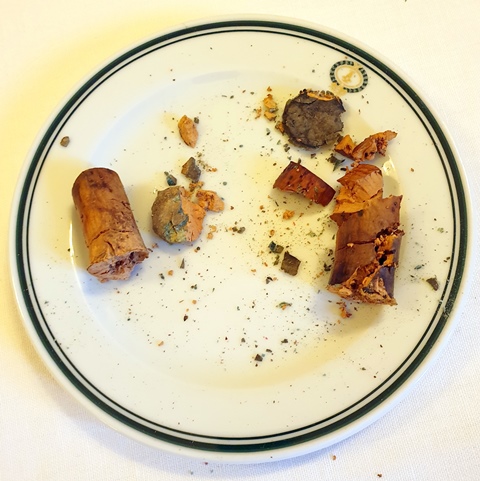
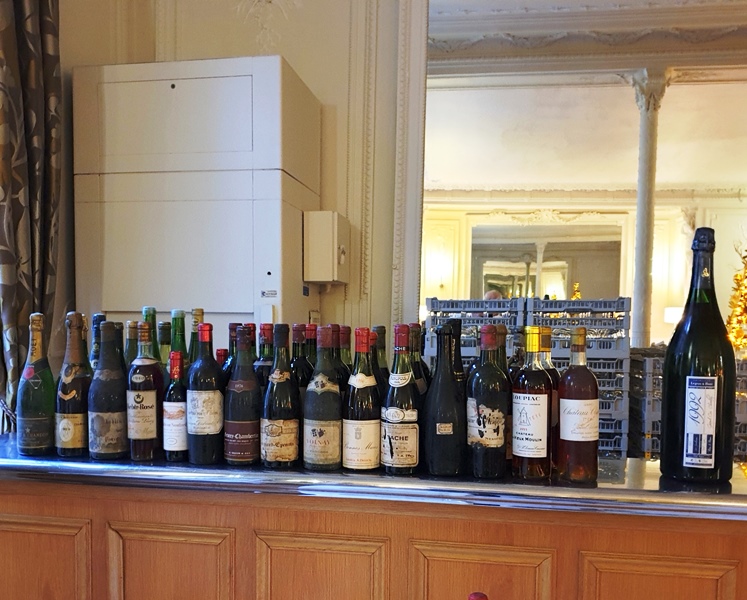
C'est un peu avant 16 heures que je me présente au restaurant pour ouvrir les bouteilles et Ghislain, l'excellent sommelier, a déjà aligné les bouteilles qui avaient été livrées il y a quatre jours, pour que je puisse les photographier. Beaucoup des bouteilles fournies par les vignerons ont été reconditionnées avec des bouchons neufs. Lorsque je retire le bouchon du magnum de Clos Sainte-Hune 2012, je sens que le bouchon sent le bouchon. J'ai peur qu'il en soit de même du vin aussi je verse un peu de vin qui ne montre aucun défaut mais est très chaud. Je fais goûter à Ghislain qui ne comprend pas que le vin soit chaud alors qu'il l'a mis en chambre froide. Le magnum de Trimbach est tellement haut qu'il se pourrait que la partie supérieure de la chambre froide assure moins de froid.
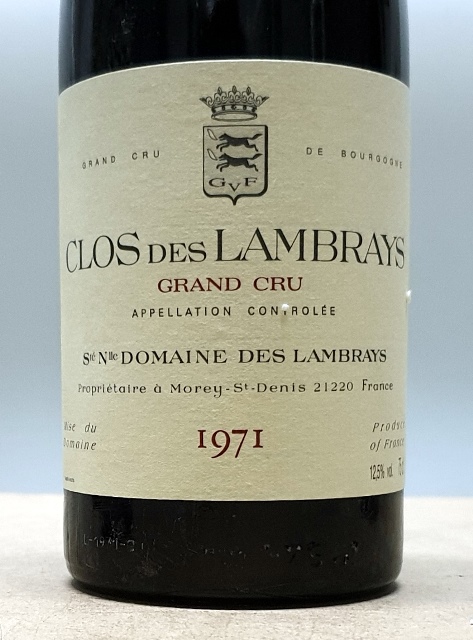
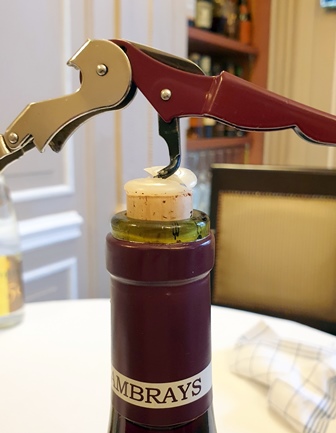
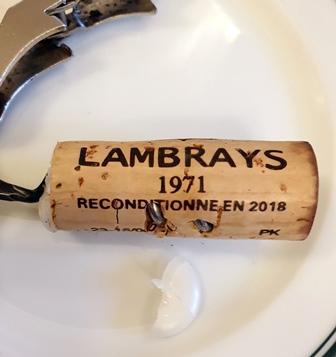
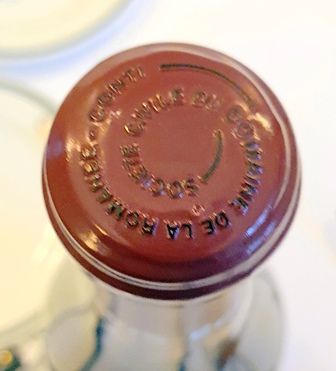
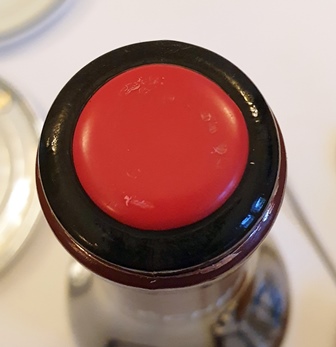
Les parfums de tous les autres blancs sont superbes. Le Clos des Lambrays 1971 et le Grands Echézeaux Domaine de la Romanée Conti 1959 ont des bouchons qui sont tous les deux surmontés par une sorte de bulle assez plate en plastique ou en cire qui assure une étanchéité du bouchon sous la capsule. Les parfums des rouges sont aussi parfaits mais pour le Clos des Lambrays, le parfum de la bouteille reconditionnée et au niveau plus que parfait me donne l'impression que le vin a été un peu fortifié au rebouchage. Jacques Devauges me dira que le protocole de rebouchage interdit un tel phénomène car les bouteilles ne sont complétées que par le vin d'une bouteille du même millésime.
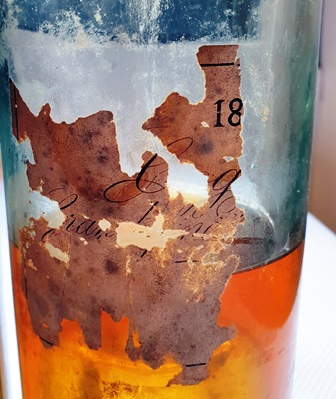
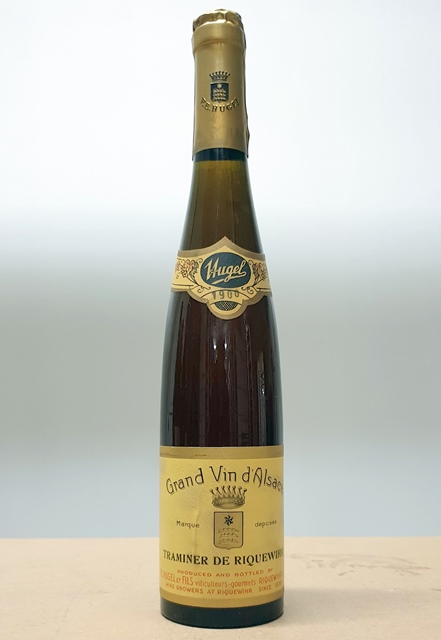
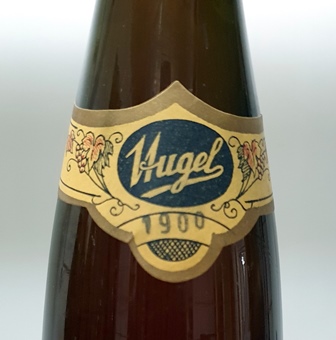
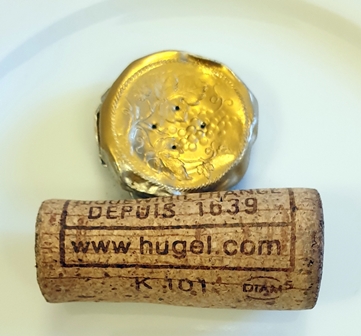
Le Traminer de Riquewihr Maison Hugel 1900 a été rebouché il y a quelques années et le bouchon Diams en liège aggloméré porte l'adresse internet de la maison Hugel ce qui fait anachronique. Le nez est très discret et je n'ai pas envie de vérifier le vin, pour ne pas le heurter. Nous verrons.
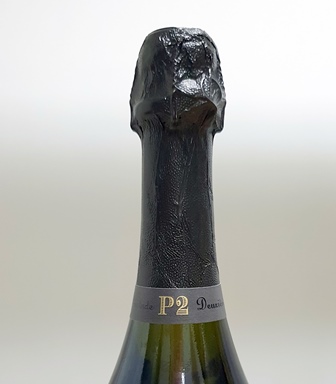
Ghislain ouvre les champagnes à 18 heures. Les amis arrivent à 19h30. Vincent Chaperon a dû prendre un train un peu tard du fait d'une grève. Il ne sera pas là au moment où son vin est servi mais nous rejoindra assez vite. Le Champagne Dom Pérignon P2 magnum 1995 me rebute un peu car je ressens la force du dosage. Les excellents amuse-bouches vont permettre au champagne de devenir plus fin et raffiné. J'ai gardé mon verre à table et le champagne a réussi à me convaincre de l'intérêt de faire un « P2 » pour un vin que je considère comme jeune, ayant du mal à imaginer qu'il a 24 ans.
Ayant la charge de la bonne ordonnance du repas et discutant avec des vignerons passionnants, je n'ai pas pris de notes et ma mémoire des vins sera de ce fait relativement succincte.
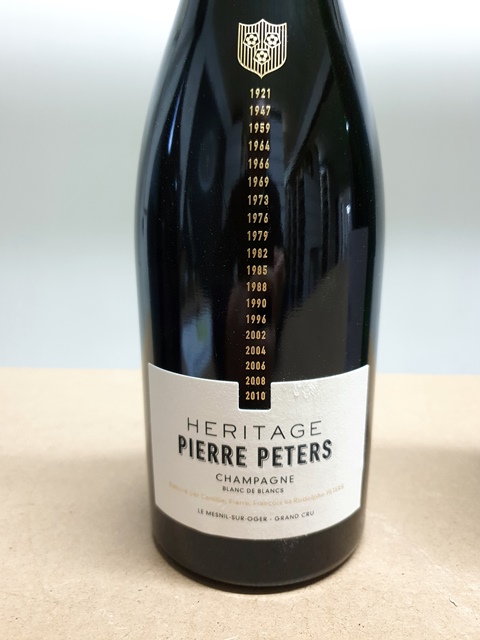
Nous passons à table. Rodolphe Péters explique le concept du Champagne Pierre Péters Cuvée Héritage. Rodolphe avec l'accord de son père et de son oncle a fait un assemblage de vingt millésimes qui existaient dans l'œnothèque de la maison, allant de 1921 jusqu'à 2010. J'avais été l'un des premiers il y a trois ans à goûter cette cuvée qui n'était pas encore au point et le fait de mélanger des 1921 et des 1947 avec des vins plus jeunes heurtait un peu ma sensibilité. Mais en goûtant ce champagne, je suis conquis, car il est d'une grande complexité et d'un foisonnement d'évocations de tous les millésimes. C'est un très grand champagne. On peut s'amuser à essayer de retrouver le goût d'une décennie et avec un peu d'imagination, on le trouve. L'araignée de mer lui convient parfaitement. Cette cuvée Héritage est une réussite.
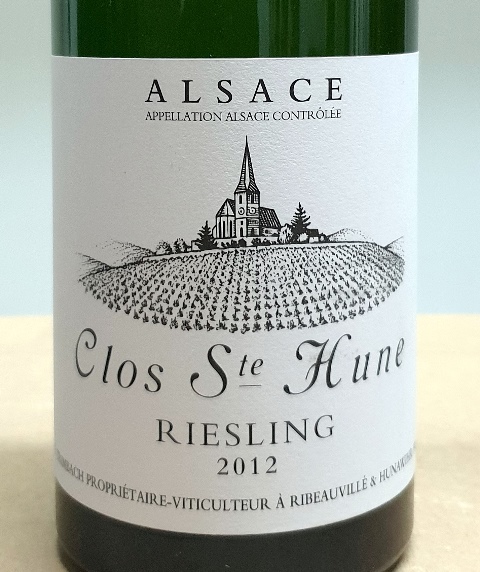
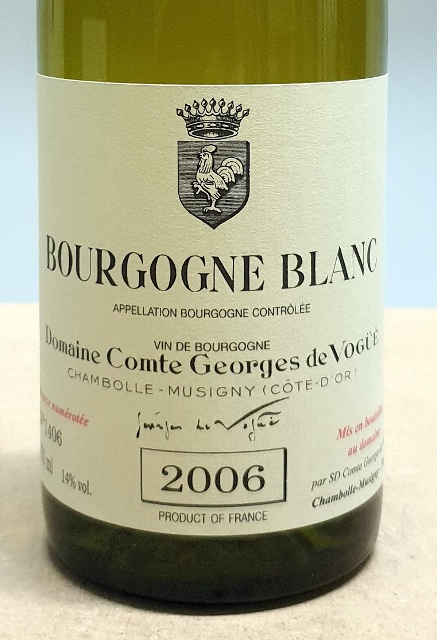
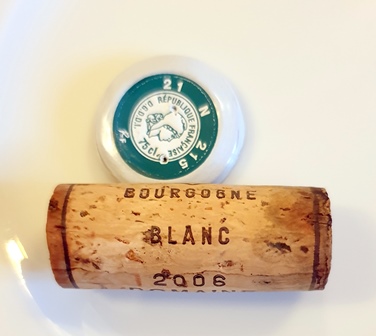
Sur le blanc manger de langoustine nous avons deux vins, comme sur presque tous les plats. Le Clos Sainte-Hune Riesling Domaine Trimbach magnum 2012 ne me semble pas offrir la vivacité et le caractère cristallin et précis qui est une caractéristique de ce grand riesling et Marc Hugel partage mon analyse, mais d'autres vignerons me diront plus tard qu'ils l'ont trouvé parfait. Le Bourgogne Blanc Domaine Comte Georges de Vogüé 2006 est en fait le Musigny blanc qui ne retrouvera son nom que sur le millésime 2015 lorsque les vignes replantées dans les années 80 ont un âge suffisant justifiant cette appellation. Le vin est à la fois vif et complexe, riche et entraînant. Je suis conquis par ce vin énergique aux multiples évocations. Il est enthousiasmant comme le champagne Péters.
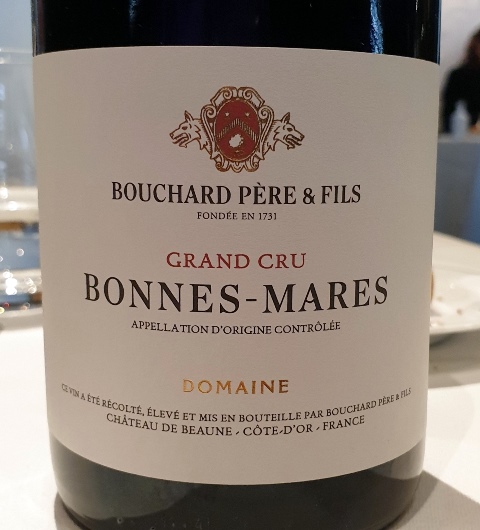
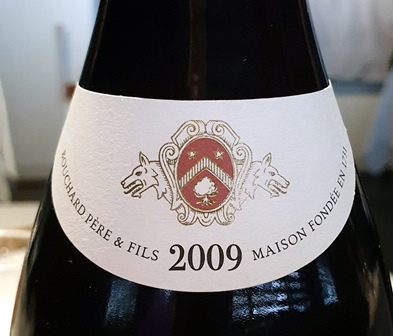
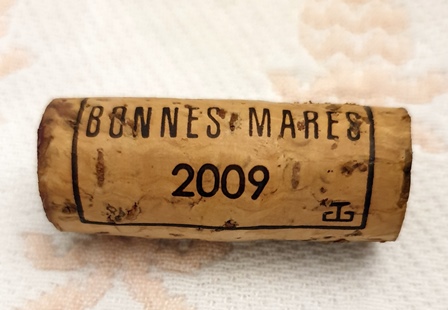
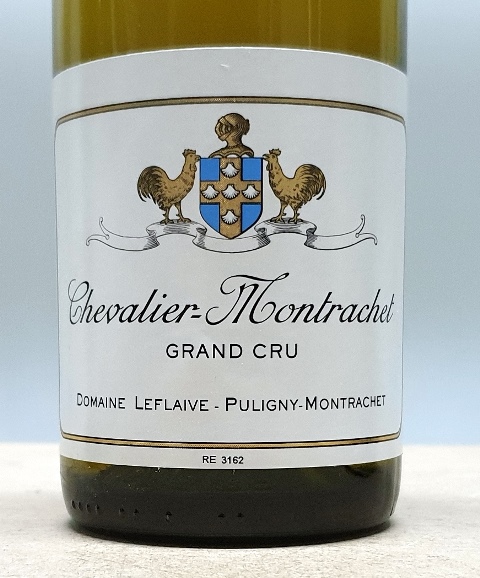
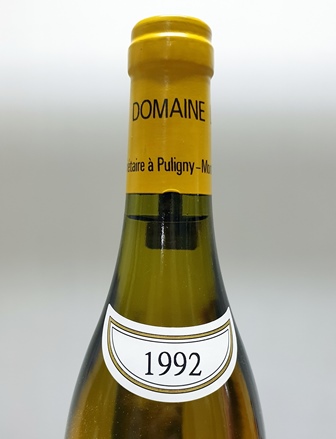
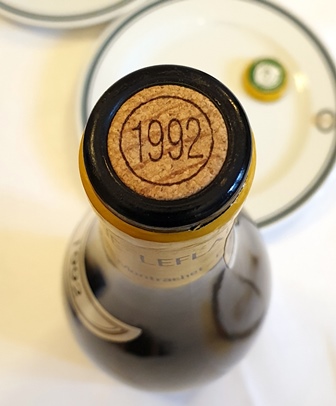
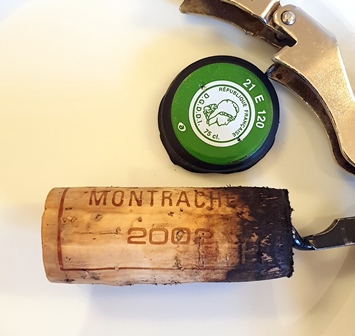
Le homard accueille deux blancs. Le Chevalier Montrachet Domaine Leflaive 1992 est d'une couleur d'un or marqué. Le vin est riche, puissant et conquérant. A côté de lui le Montrachet Bouchard Père & Fils 2002 est plus aérien et fluide. Il est subtil et n'a pas la puissance habituelle des montrachets. J'aime ce vin tout en évocations raffinées.
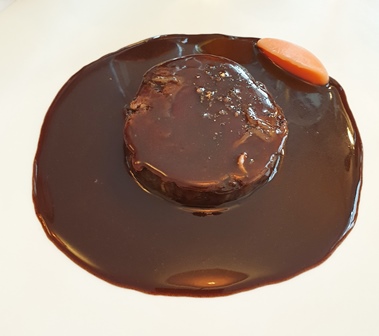
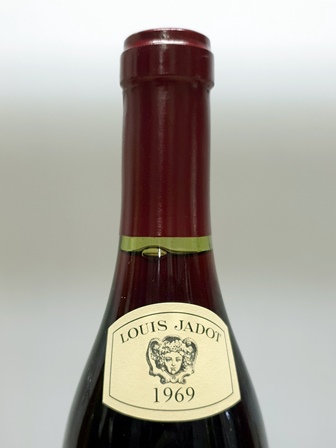
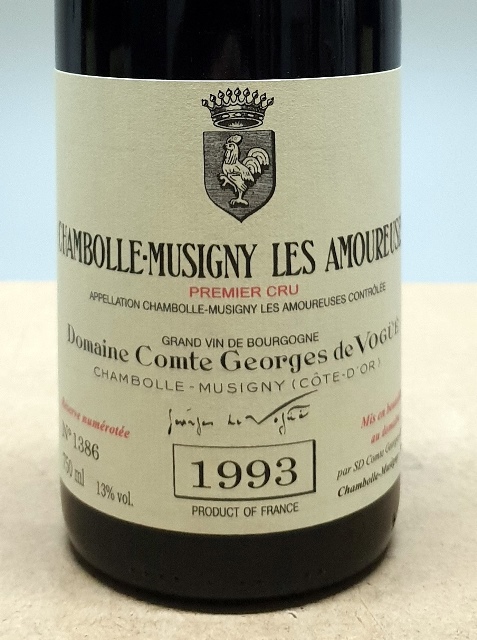
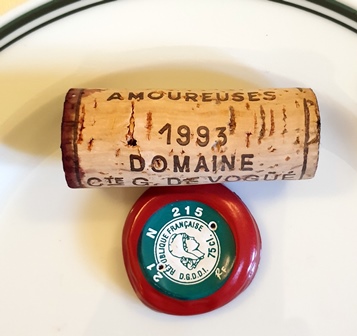
Le ris de veau est délicieux et convient bien aux deux vins. Le Gevrey-Chambertin Les Combottes Louis Jadot 1969 paraît jeune pour ses cinquante ans mais a bien la sérénité et la plénitude des vins de 1969. Il est très équilibré et riche et le ris de veau lui convient bien. Le Chambolle-Musigny Les Amoureuses Domaine Comte Georges de Vogüé 1993 est très différent mais aussi très complémentaire. Il est vif, cinglant et j'adore ses saveurs multidirectionnelles. Les deux vins se complètent sur le plat comme dans les séries précédentes.
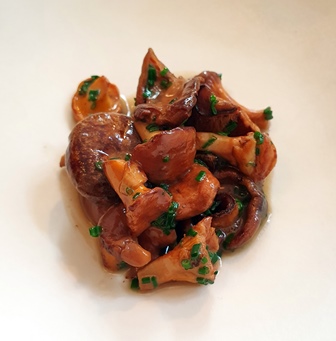
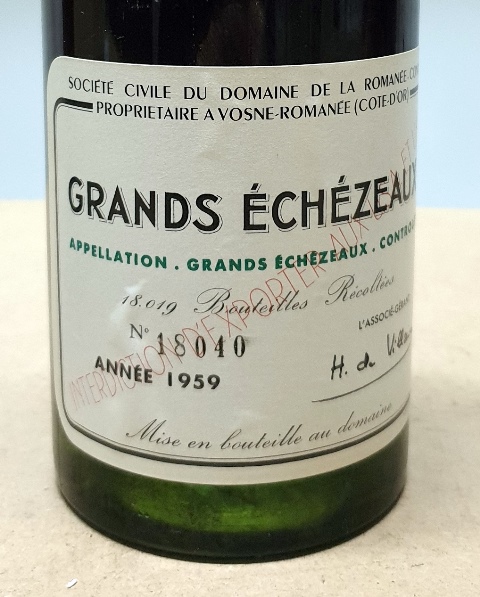
La volaille est douce et superbe et accompagnera deux vins rouges et un champagne. J'ai voulu en effet séparer dans ce repas le Dom Pérignon et le Krug qui sont de la même année. Il ne serait pas opportun de les mettre en compétition. Le Clos des Lambrays 1971 est à un moment de plénitude. Il est riche et d'une belle longueur, serein. A côté de lui, le Grands Echézeaux Domaine de la Romanée Conti 1959 est d'une fraîcheur et d'une subtilité rares. Je ne trouve pas, ou juste en trace, le sel qui est un marqueur des vins du domaine, mais le vin est exceptionnel. La volaille met les deux vins en valeur, qui encore une fois ne se nuisent pas et au contraire accroissent le plaisir de les boire.
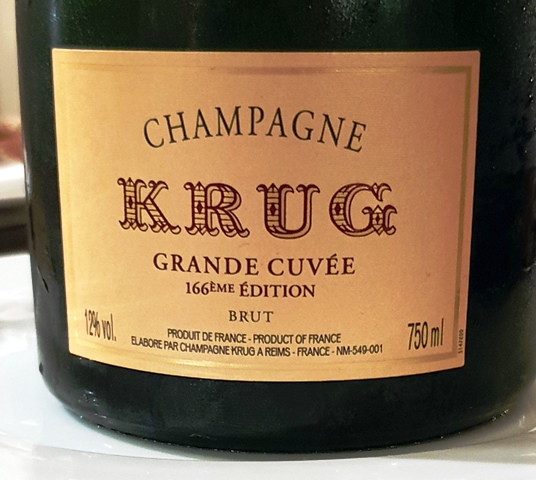
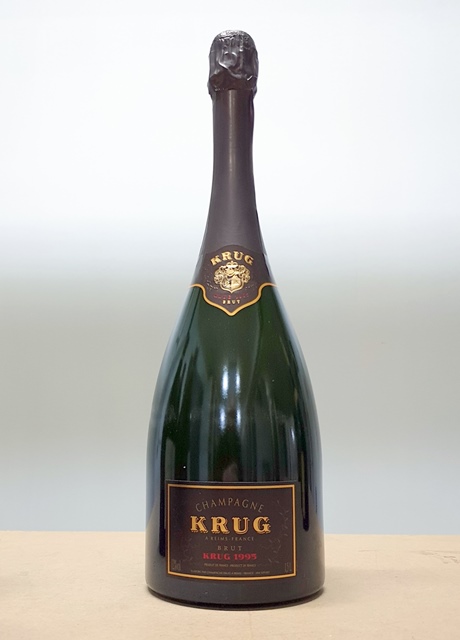
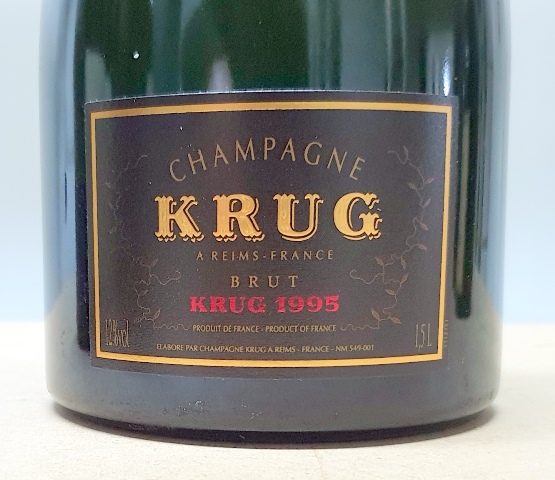
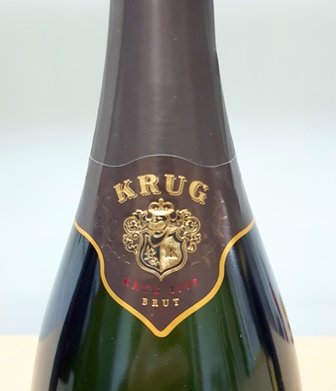
Le Champagne Krug magnum 1995 est éblouissant de richesse et de complexité. Il est au sommet de son art. C'est un champagne accompli et le passage des vins rouges au champagne et inversement se fait naturellement quand on prend soin de prendre une bouchée de l'excellent plat d'une douceur extrême.
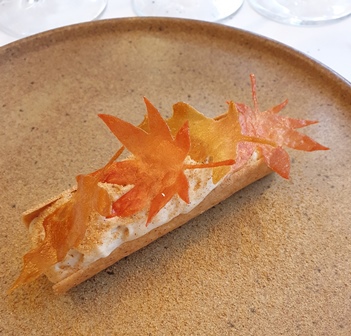
Le Traminer de Riquewihr Maison Hugel 1900 est inconnu de tous, même de Marc Hugel. Sa couleur est un peu foncée ce que Marc impute à un léger botrytis. Le vin est résolument sec, avec une petite pointe de douceur. Marc pense qu'il pourrait y avoir un peu de riesling dans ce vin qui ne lui paraît pas totalement Traminer. On ne peut pas imaginer que ce vin fluide et profond puisse avoir 119 ans. Marc, voyant le dessert pensait qu'il ne conviendrait pas au vin et a reconnu que son appréhension n'est pas justifiée car la fraîcheur du dessert d'une belle douceur met en valeur le vin délicat et émouvant.
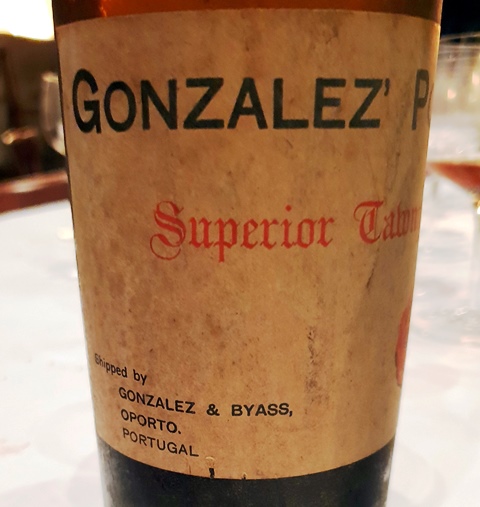
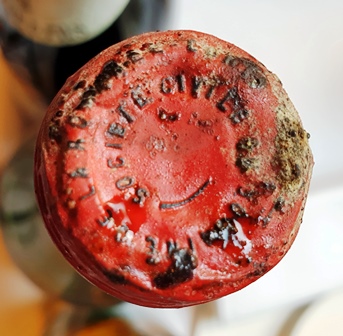
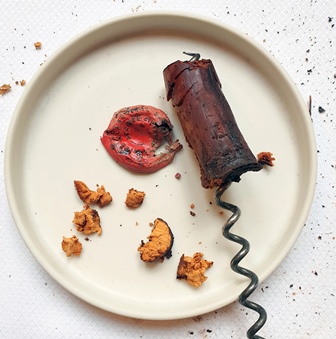
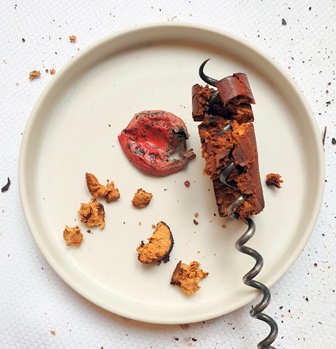
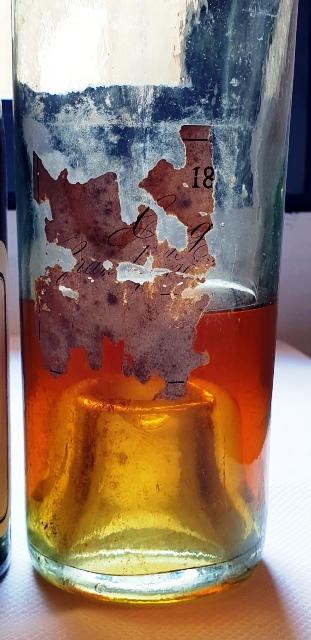
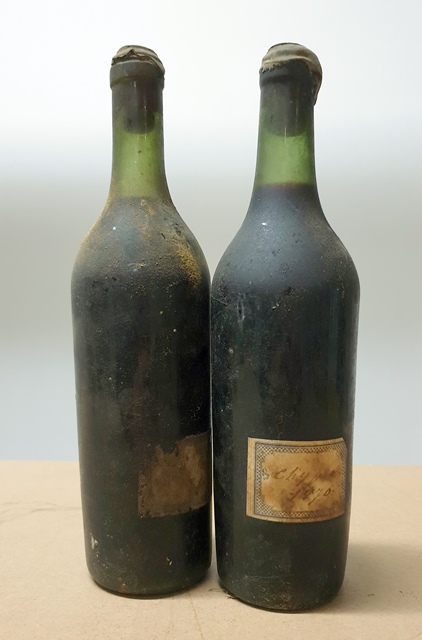
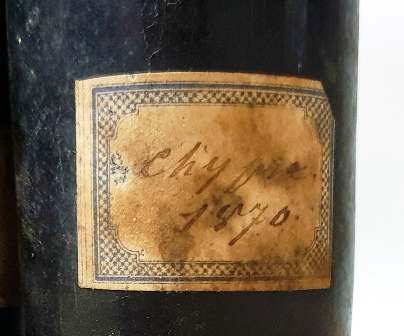
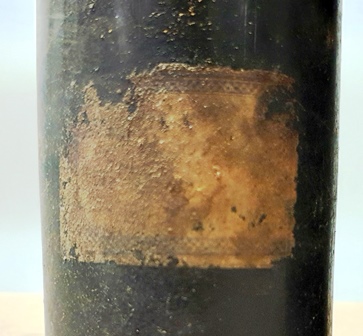
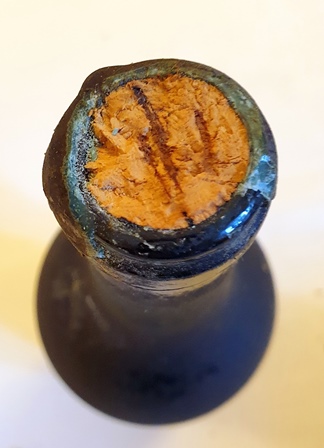
J'ai apporté deux bouteilles de Vin de Chypre 1870 dont j'avais senti les parfums dissemblables à l'ouverture. Je pensais faire servir chaque bouteille à une moitié de table mais Aubert de Villaine m'a suggéré que chacun puisse goûter les deux. Il a eu raison. La première est très épicée et riche de réglisse. C'est un vin lourd et capiteux de grande palette aromatique. La seconde bouteille est plus légère, les épices étant moins présentes et le vin étant plus fluide. J'ai tendance à préférer la seconde et plusieurs amis préfèrent la première. Dans les deux cas les vins sont de longueur infinie. Bipin Desai dit que des personnes qui offrent à ce dîner un vin de 1900 et deux vins de 1870 ''ne peuvent pas être de mauvaises personnes''. Les madeleines à la réglisse conviennent à ces deux vins doux naturels de grande intensité.
Tous les vins apportés par les amis vignerons ont été de haute qualité et ont permis de faire un programme cohérent, appuyé par une cuisine particulièrement adaptée. Le chef a fait un repas apprécié par tous, d'une grande justesse. Les accords ont tous été pertinents et le rythme du repas a mis en valeur les vins. Le service de sommellerie a été attentionné et efficace. L'atmosphère du repas a été extrêmement amicale. Chacun a été heureux de bavarder avec ses amis. Ce fut une soirée très réussie.
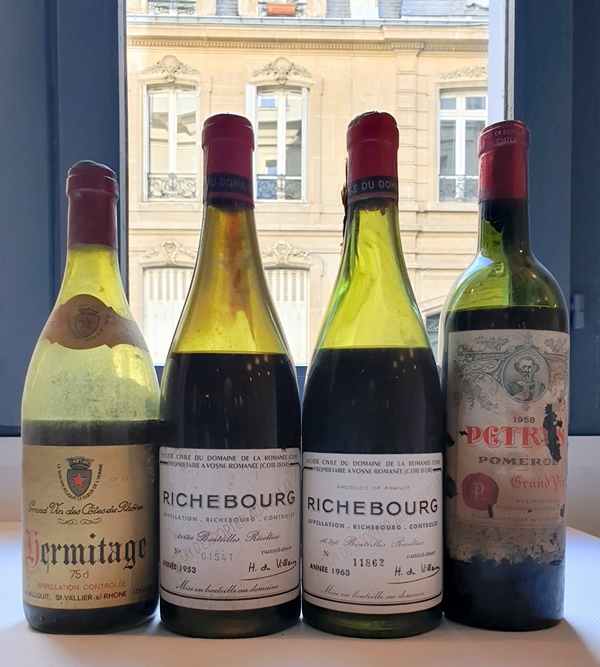
Les vins dans ma cave (sauf le Montrachet 2002 non encore arrivé)
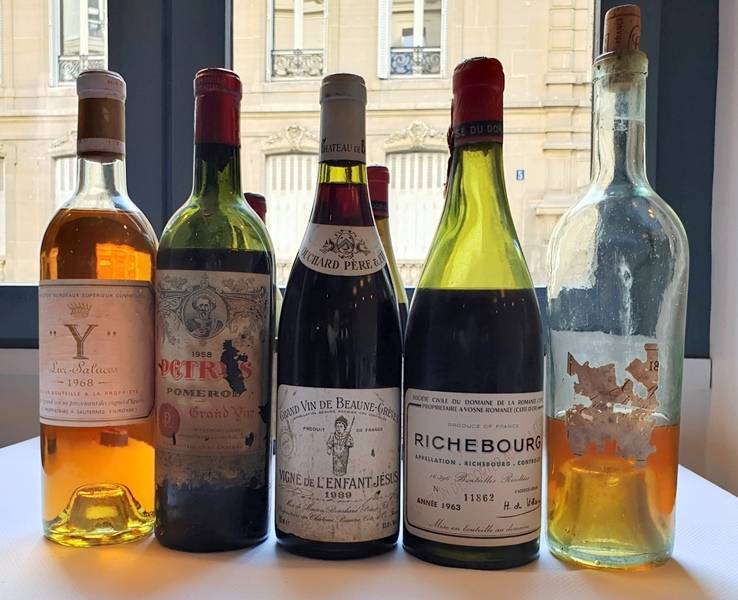
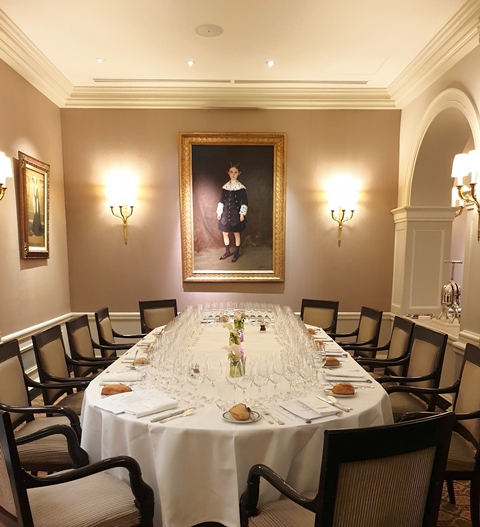
Les vins au complet au restaurant Laurent
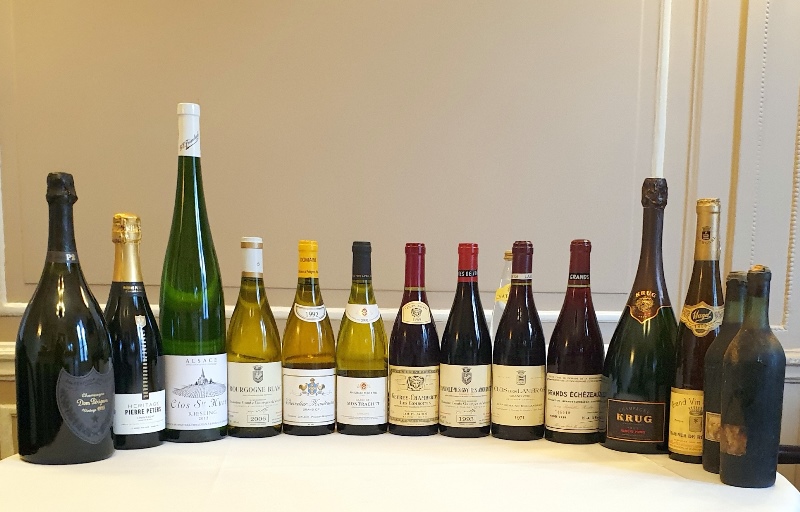
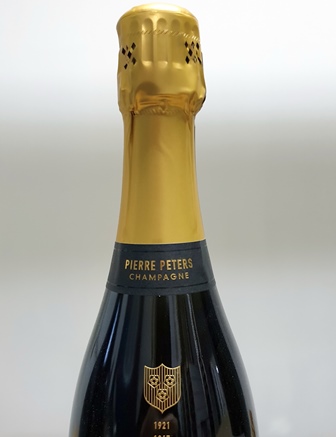
Champagne Dom Pérignon P2 magnum 1995
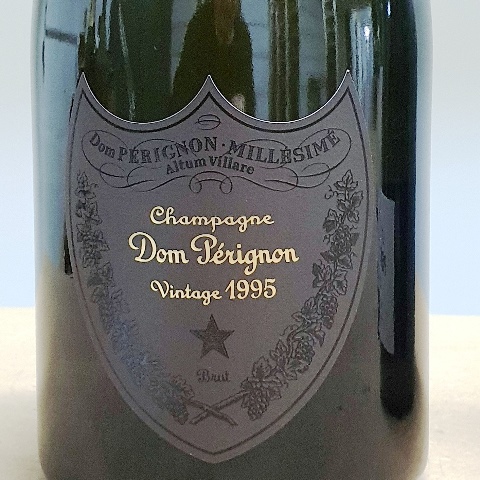
Champagne Pierre Péters Cuvée Héritage
Clos Sainte-Hune Riesling Domaine Trimbach magnum 2012

Bourgogne Blanc Domaine Comte Georges de Vogüé 2006
Chevalier Montrachet Domaine Leflaive 1992

Montrachet Bouchard Père & Fils 2002


Gevrey-Chambertin Les Combottes Louis Jadot 1969

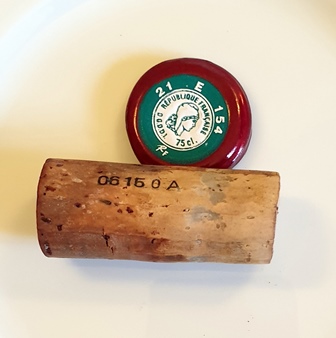
Chambolle-Musigny Les amoureuses Domaine Comte Georges de Vogüé 1993
Clos des Lambrays 1971

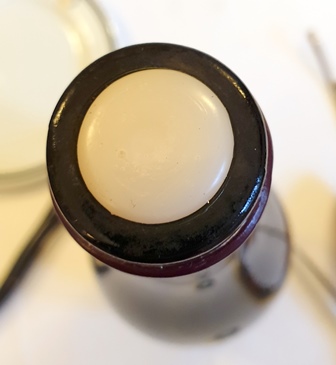
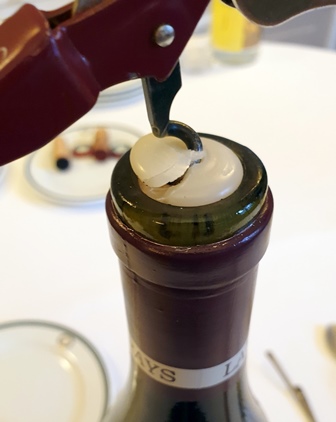
Grands Echézeaux Domaine de la Romanée Conti 1959


Champagne Krug magnum 1995
Traminer de Riquewihr Maison Hugel 1900


Vin de Chypre 1870


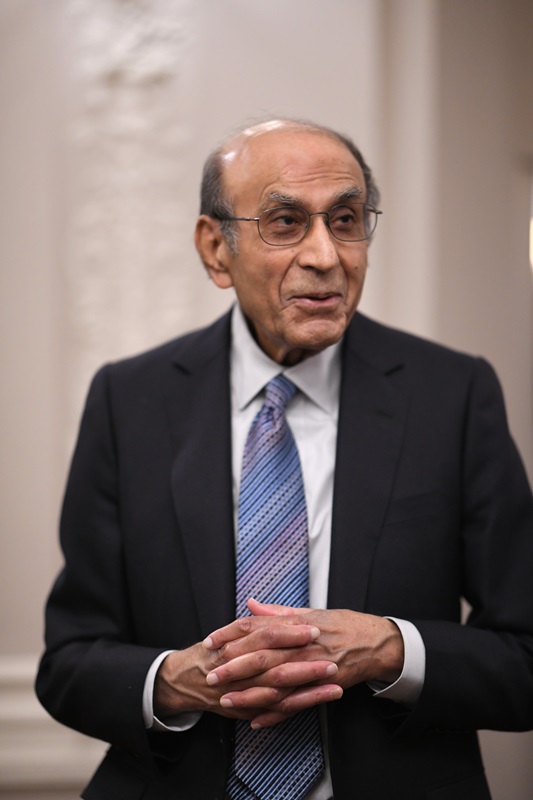
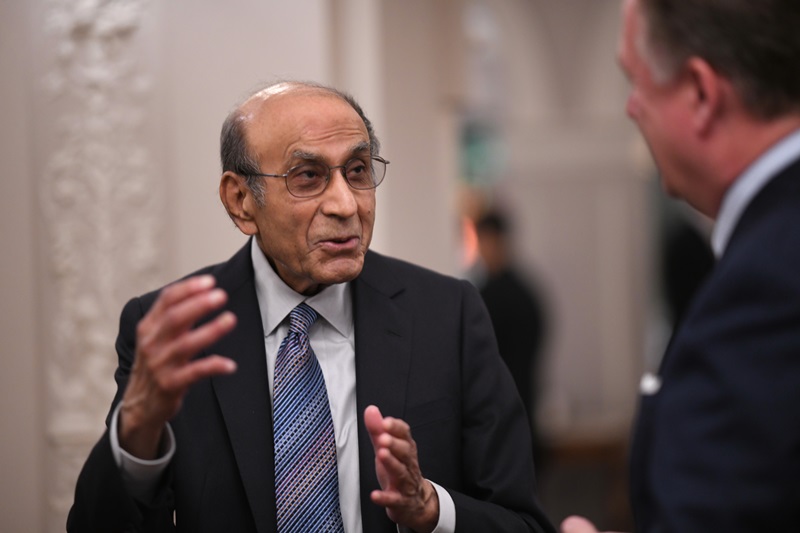
Vincent Chaperon, Aubert de Villaine et Bipin Desai


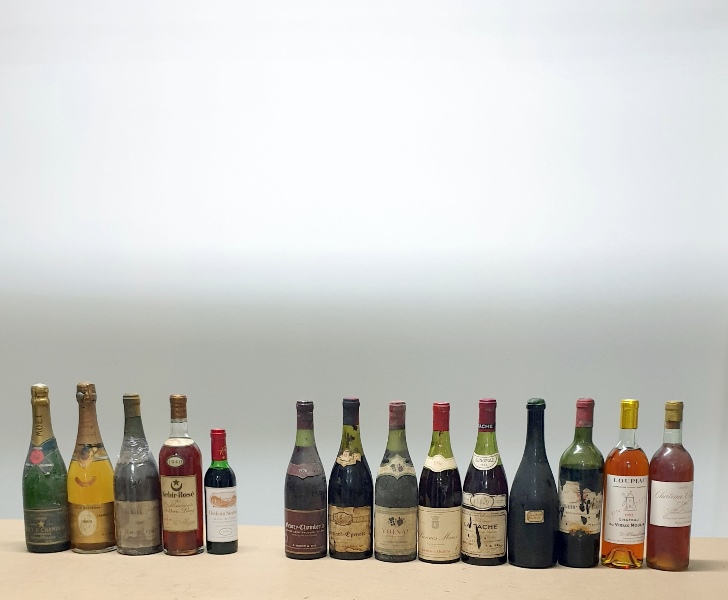 (le Pontet Canet 1929 n'était pas présent au moment de la photo)
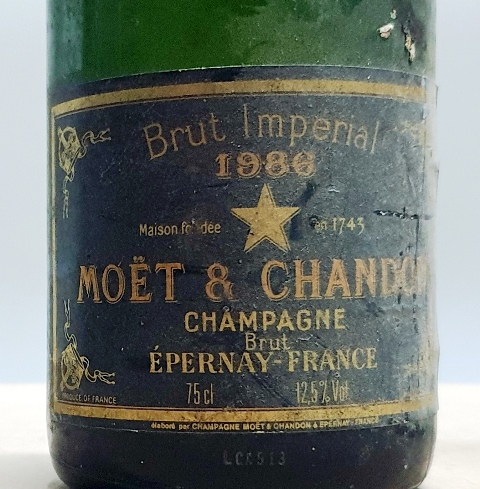
 Champagne Moët & Chandon Brut Impérial 1986
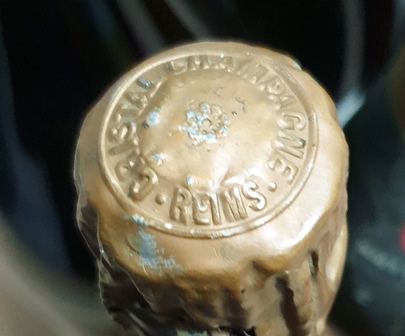
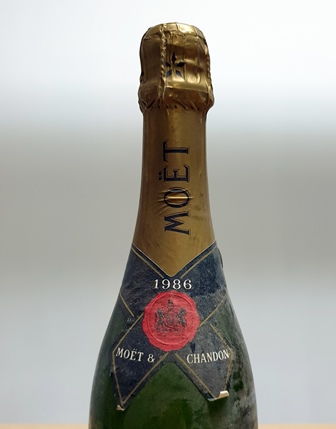 Champagne Cristal Roederer 1959


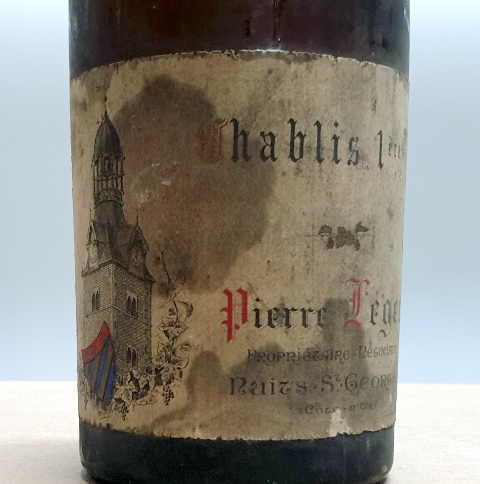
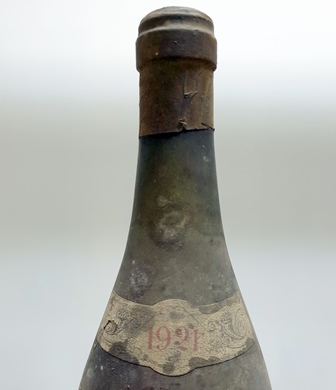
 Chablis 1er cru Pierre Léger 1921

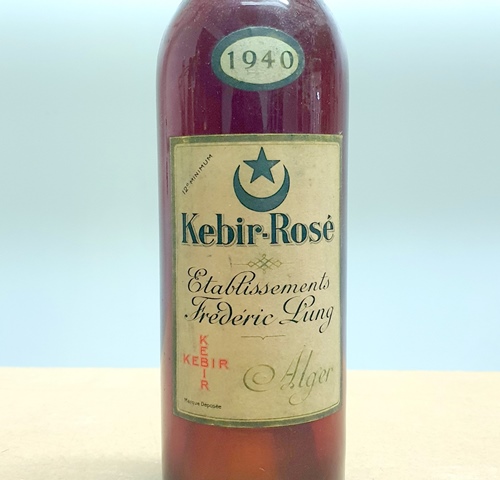
 Kebir-Rosé Frédéric Lung Algérie 1940


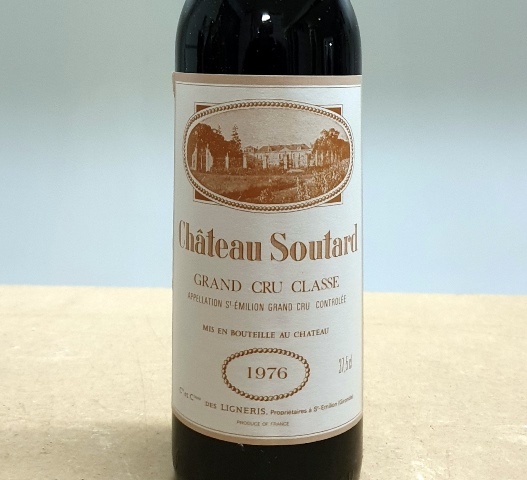
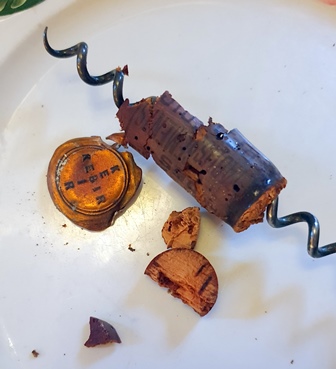 Château Soutard Saint-Emilion 1/2 bt 1976
 Château Pontet Canet 1929

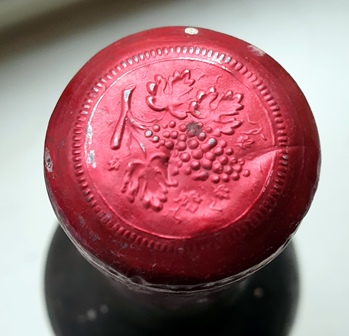
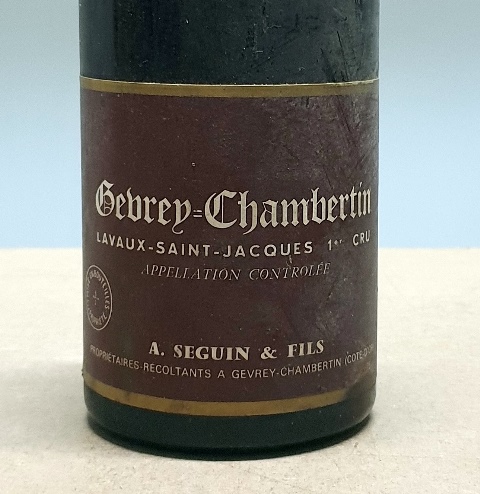
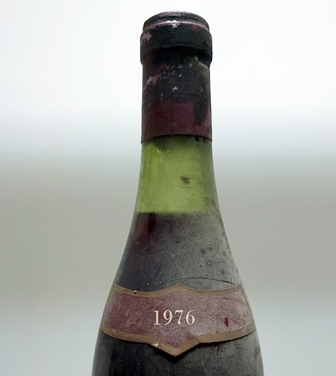
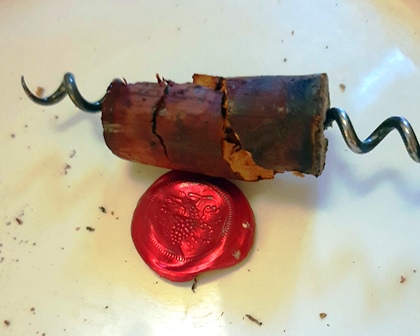 Gevrey-Chambertin Lavaux Saint-Jacques A. Seguin & Fils 1976
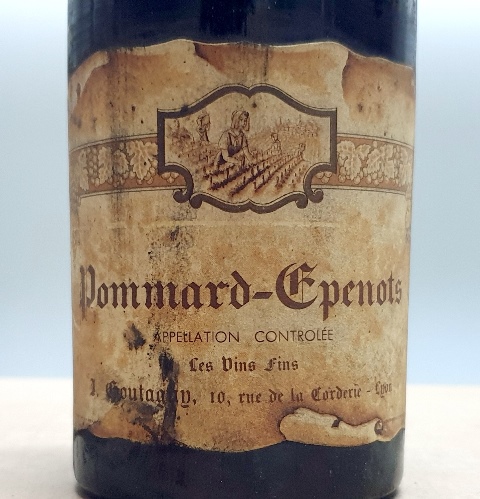
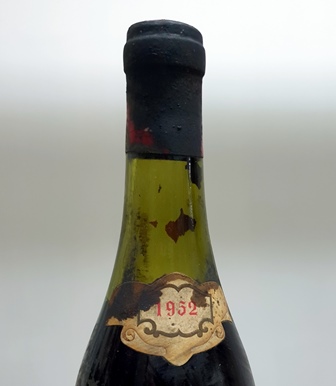
 Pommard Epenots Les Vins fins de Goutagny 1952
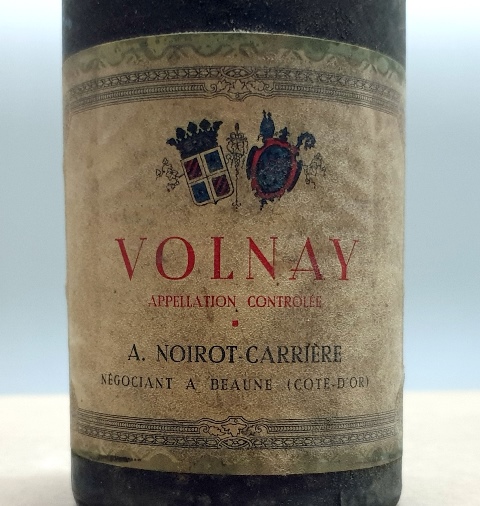
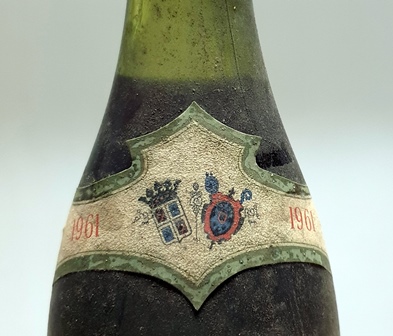
 Volnay A. Noirot-Carrière 1961
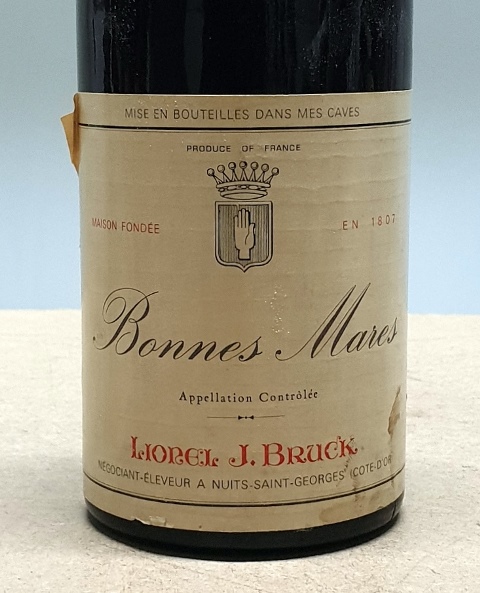
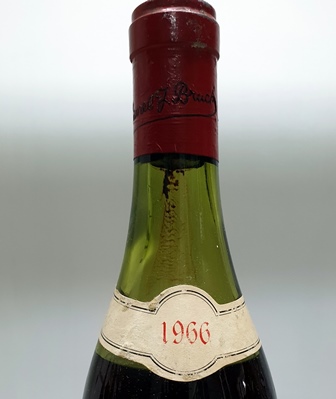
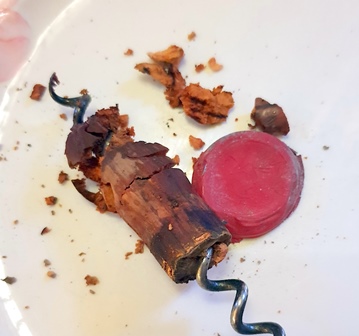 Bonnes-Mares Lionel J. Bruck 1966
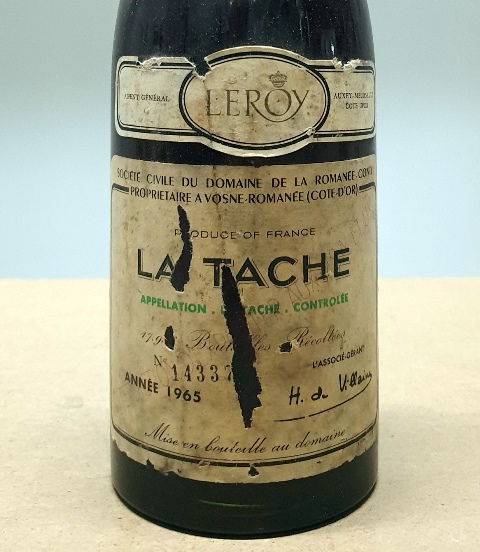
 La Tâche Domaine de la Romanée Conti 1965

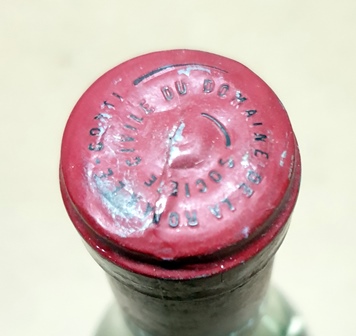
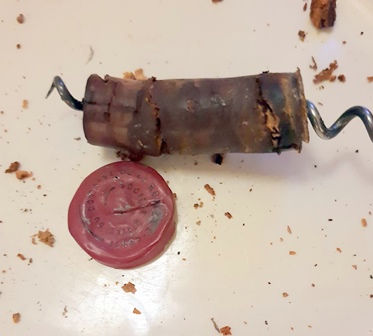 Barolo Nebbiolo 1900
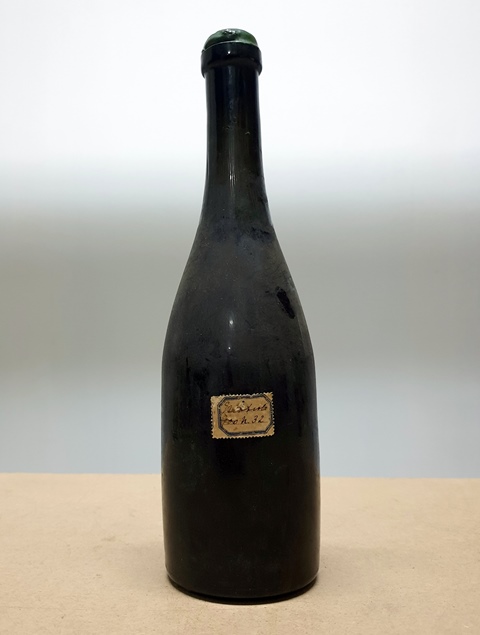
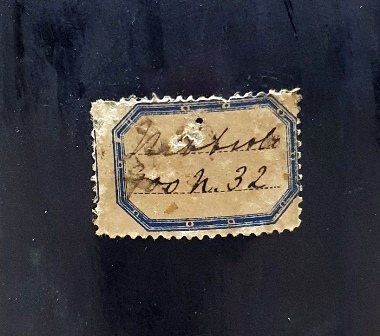

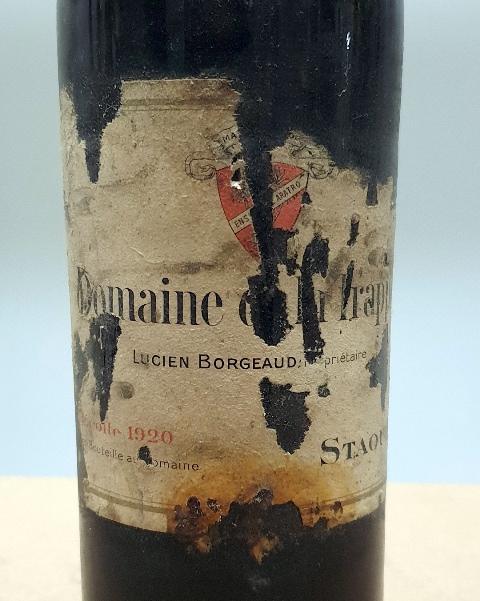
 Domaine de la Trappe Vin rouge d'Algérie (vidange) (don) 1920

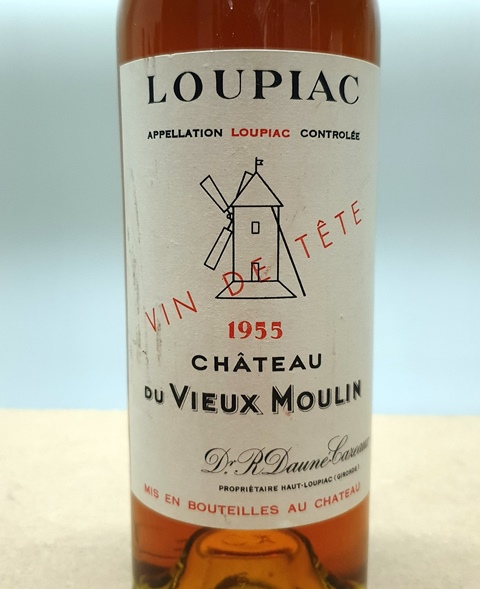
 Chateau du Vieux Moulin Loupiac 1955
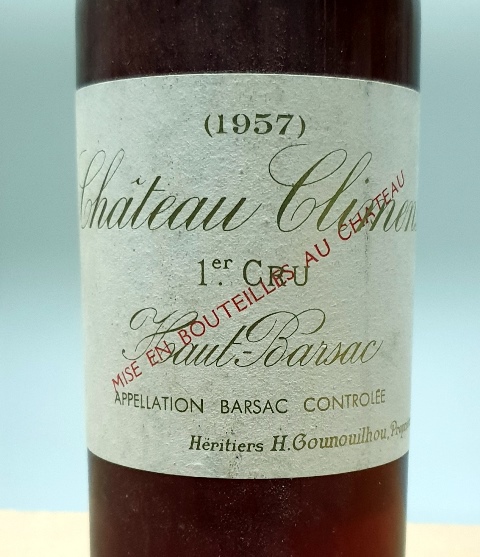
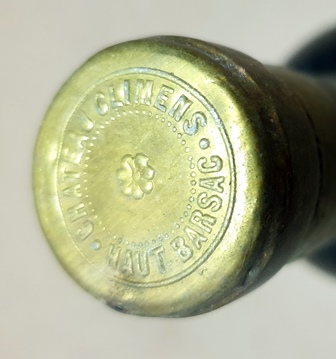
 Château Climens 1957
 Rhum Naura (années 70)